
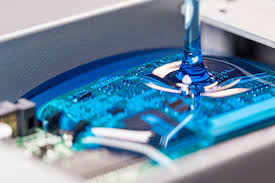

Surface treatment solution
How to Choose the Right Surface Treatment Solution for Your Production Line
1. Base Material Type
Different base materials have distinct chemical and physical properties. Copper, aluminum, stainless steel, and FR-4 substrates require specific treatment methods to ensure optimal bonding and protection.
- Nickel plating for corrosion resistance
- Gold coating for high conductivity and flatness
- Anodizing for aluminum surface protection
- Immersion finishes for fine-pitch soldering
2. Product Technical Requirements
The reliability level of your end product strongly influences surface treatment selection.
- Automotive / Industrial: ENIG or Immersion Silver for durability
- High-frequency applications: Flat, oxidation-resistant finishes
- Consumer electronics: Cost-effective OSP solutions
Matching surface finish to performance requirements reduces long-term failure risks and improves solder joint integrity.

3. Production Conditions
Surface treatment must be compatible with the manufacturing environment, including temperature, humidity, reflow profiles, and production speed.
- Stable performance under high reflow temperatures
- Resistance to oxidation during storage
- Compatibility with high-speed SMT mounting lines
4. Environmental & Compliance Factors
Modern electronics manufacturing requires environmentally responsible solutions. Always prioritize treatments compliant with:
- RoHS (Restriction of Hazardous Substances)
- REACH environmental standards
- Low-VOC and eco-friendly chemical processes
5. Cost & Efficiency Balance
The ideal solution balances material cost, processing time, coating lifespan, and defect reduction rate. A slightly higher initial investment can significantly reduce rework, oxidation damage, and warranty claims in the long term.
Choosing the right surface treatment solution ensures consistent soldering quality, improved product durability, and compliance with global standards. Smart selection today leads to lower defect rates and stronger competitiveness tomorrow.
Consult Our Surface Treatment Experts →Recommend Treatment Solution
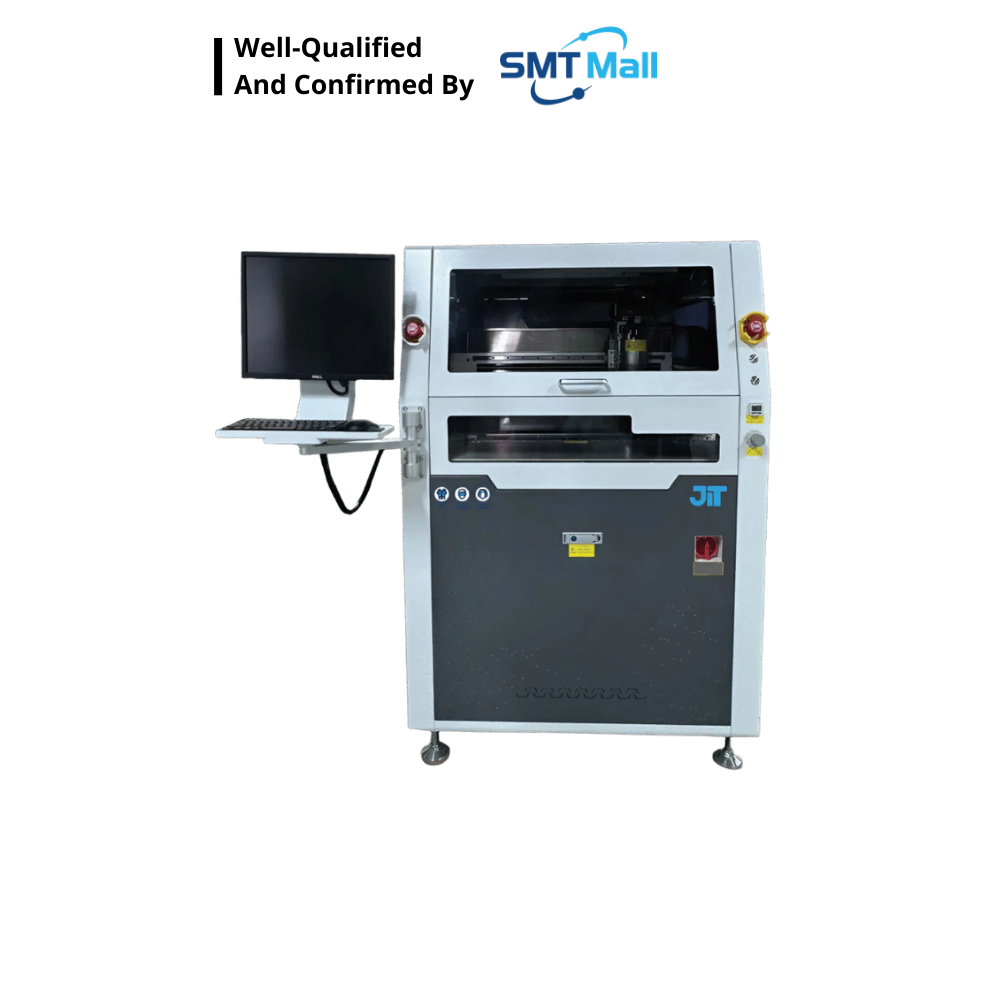
$ 35,000.00
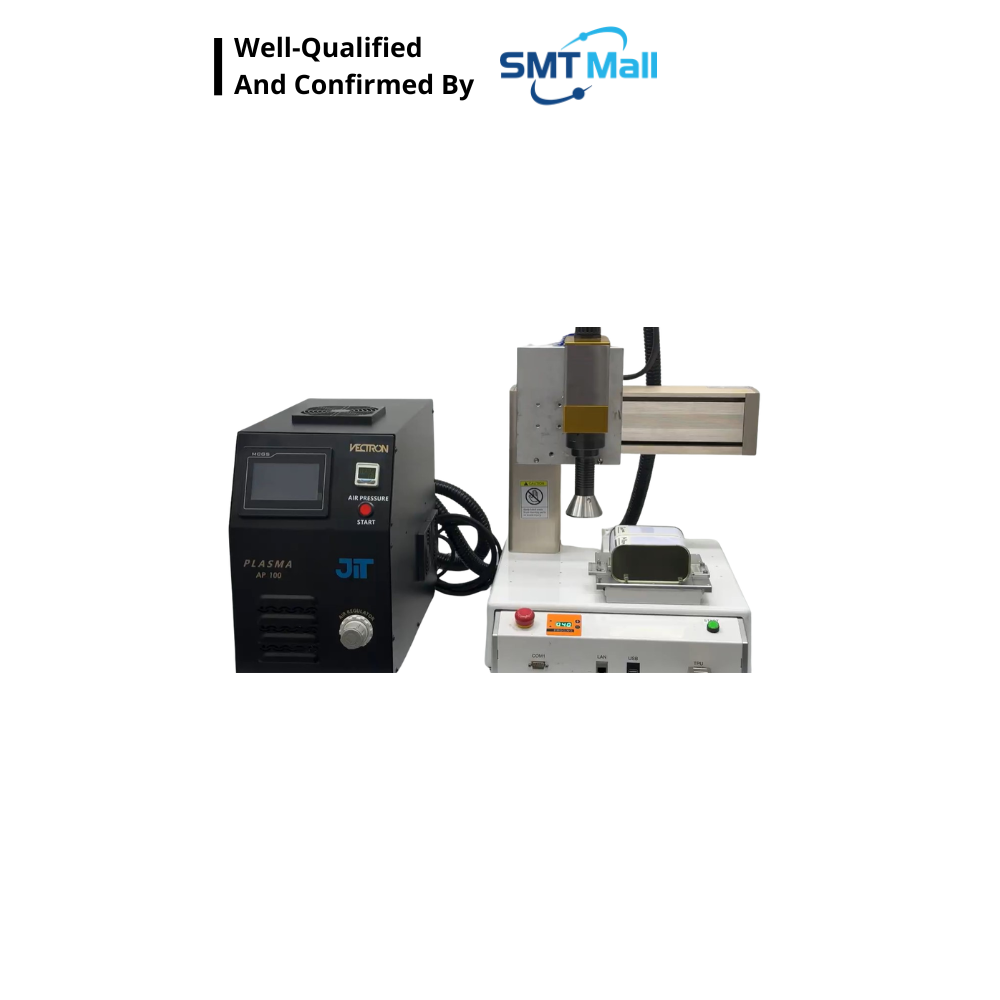
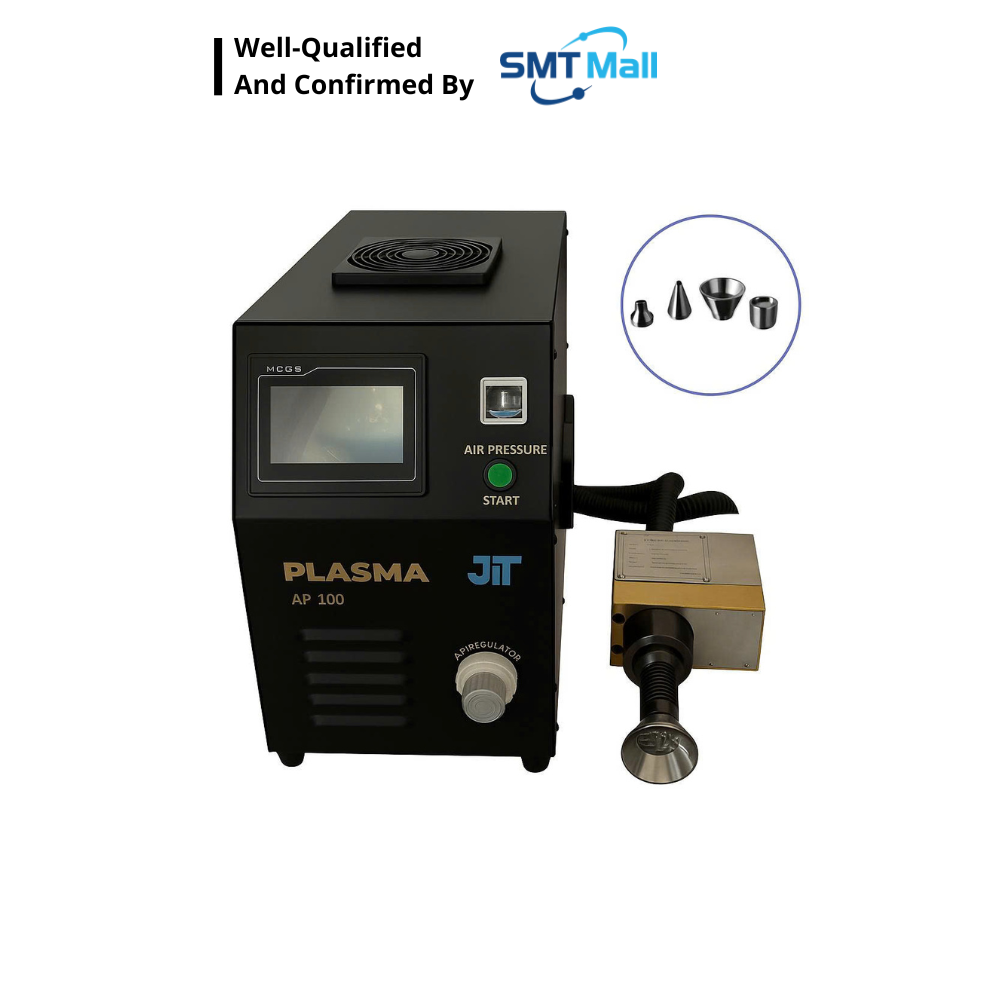
$ 5,000.00