

Product Categories
Soldering materials
Soldering materials are alloys and auxiliary agents used to join electronic components to printed circuit boards.
What Is Soldering Materials?
Soldering materials are alloys and auxiliary agents used to join electronic components to printed circuit boards (PCBs) by melting and solidifying to form reliable electrical and mechanical connections. They are the key elements that ensure stable conductivity and structural integrity in all electronic devices.
Main Types of Soldering Materials Include
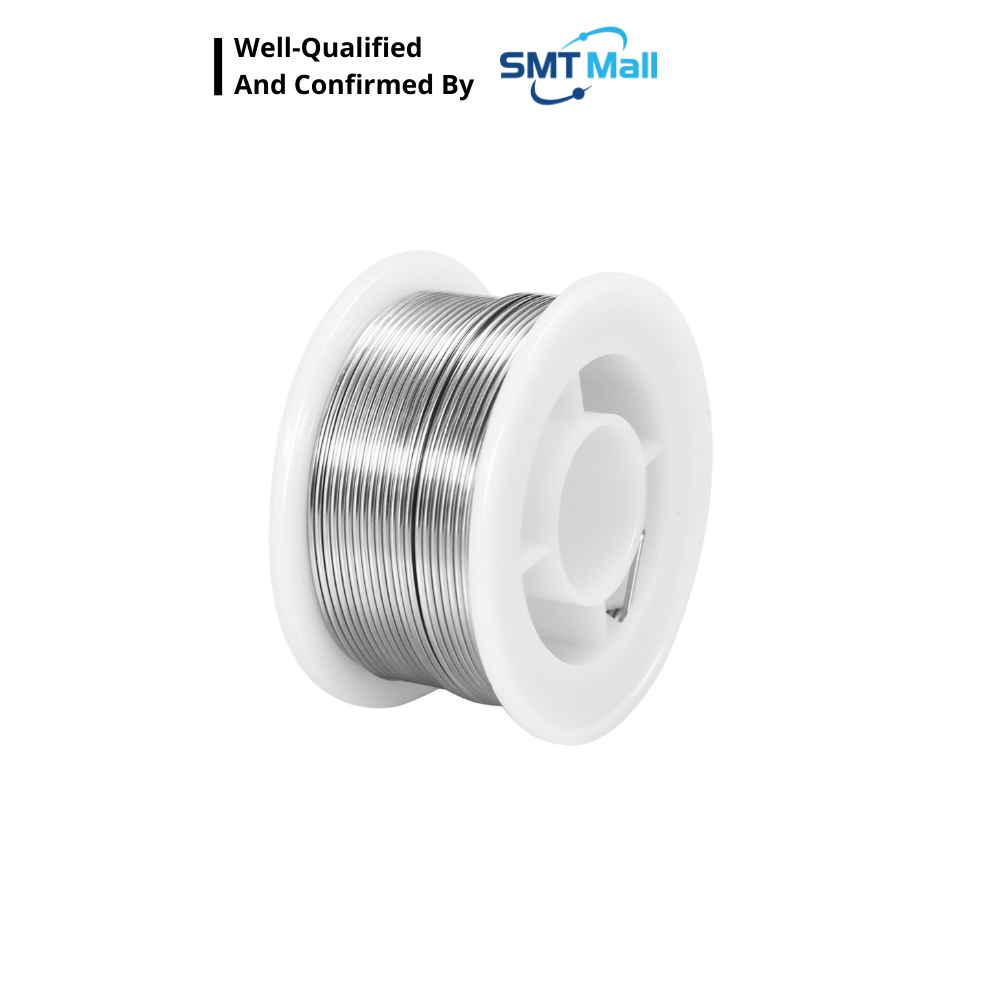
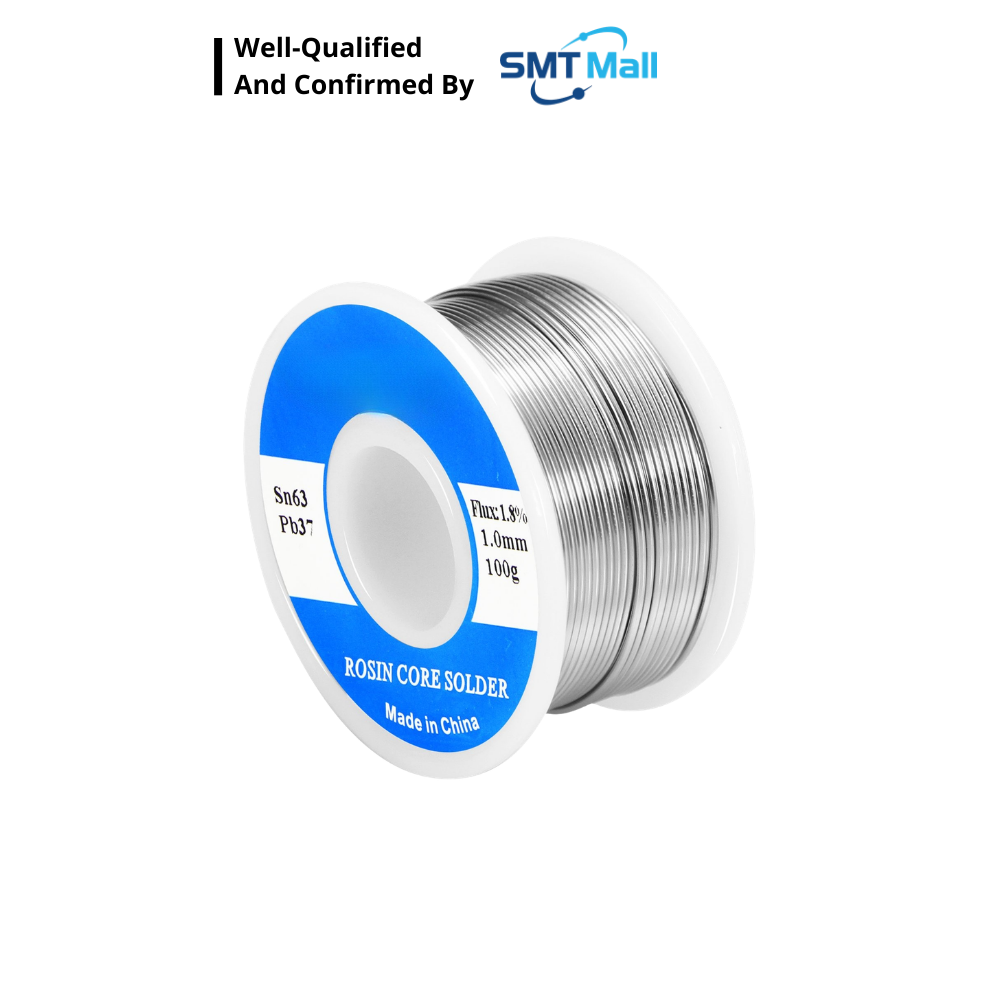
- Tin wire: solder wire for manual or repair soldering.
- Flux: chemical agent that cleans metal surfaces and improves solder wetting.
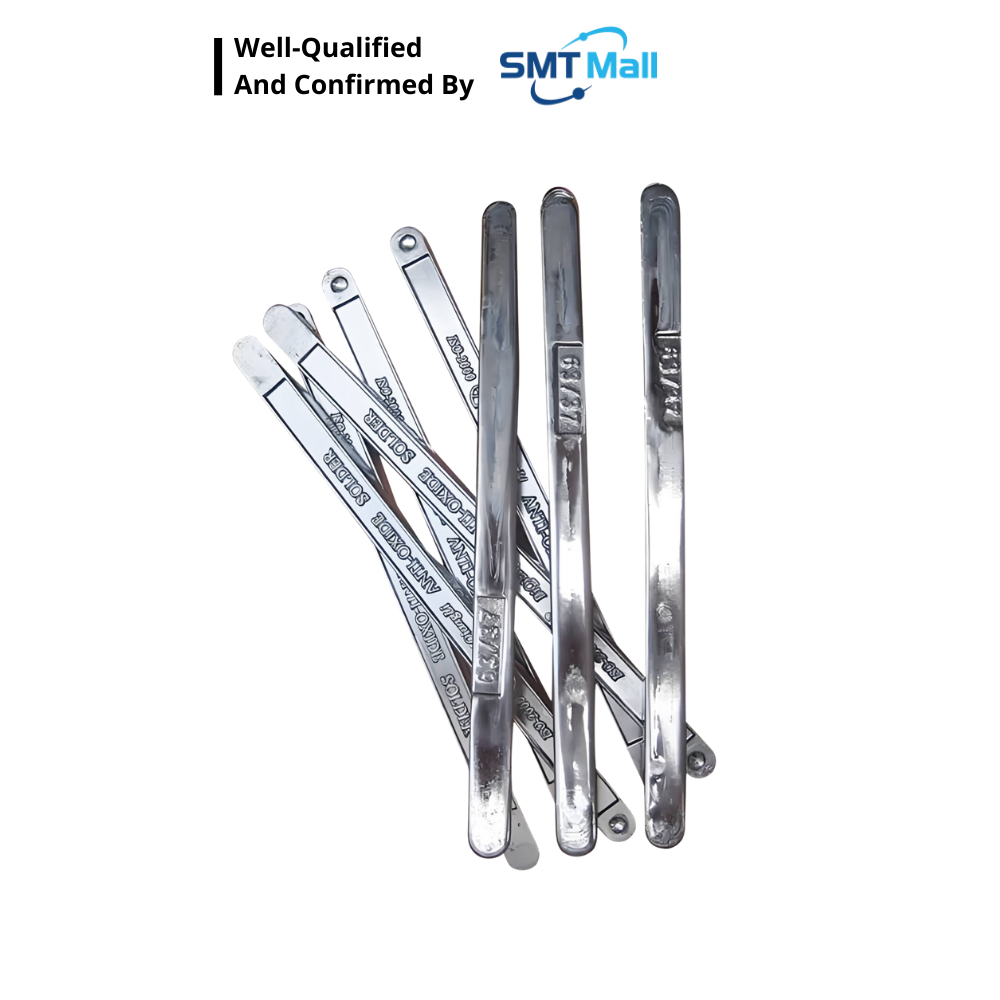
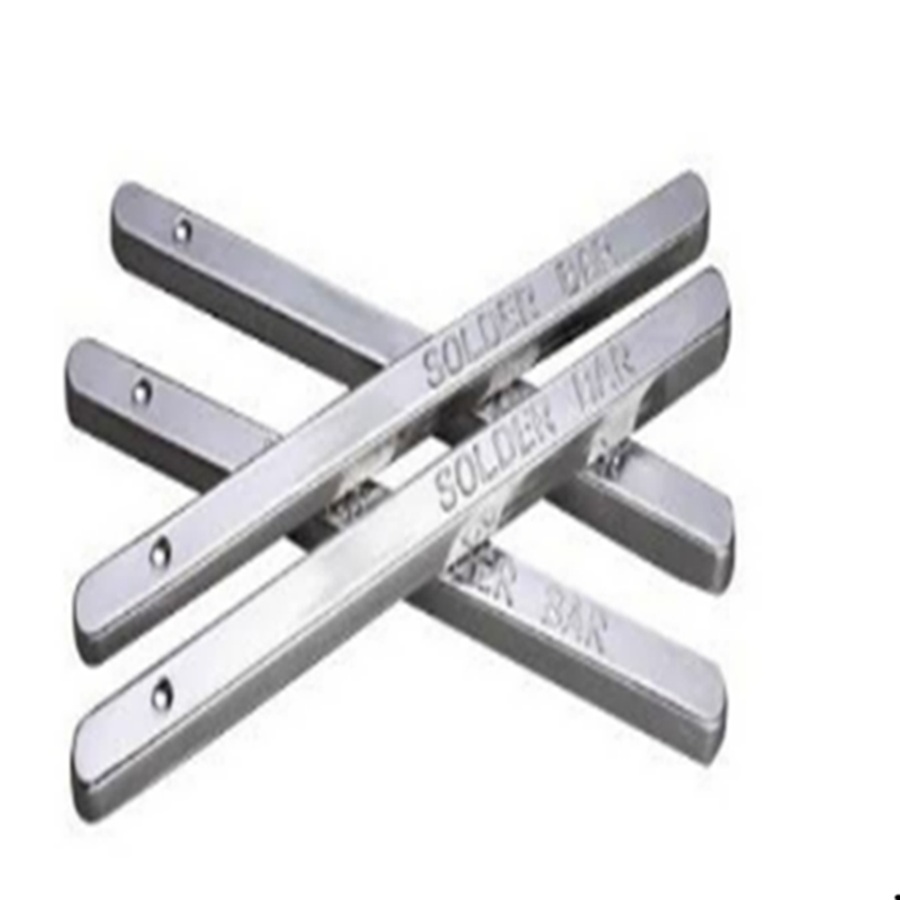
- Solder bar: solid solder alloy bar used for wave soldering.
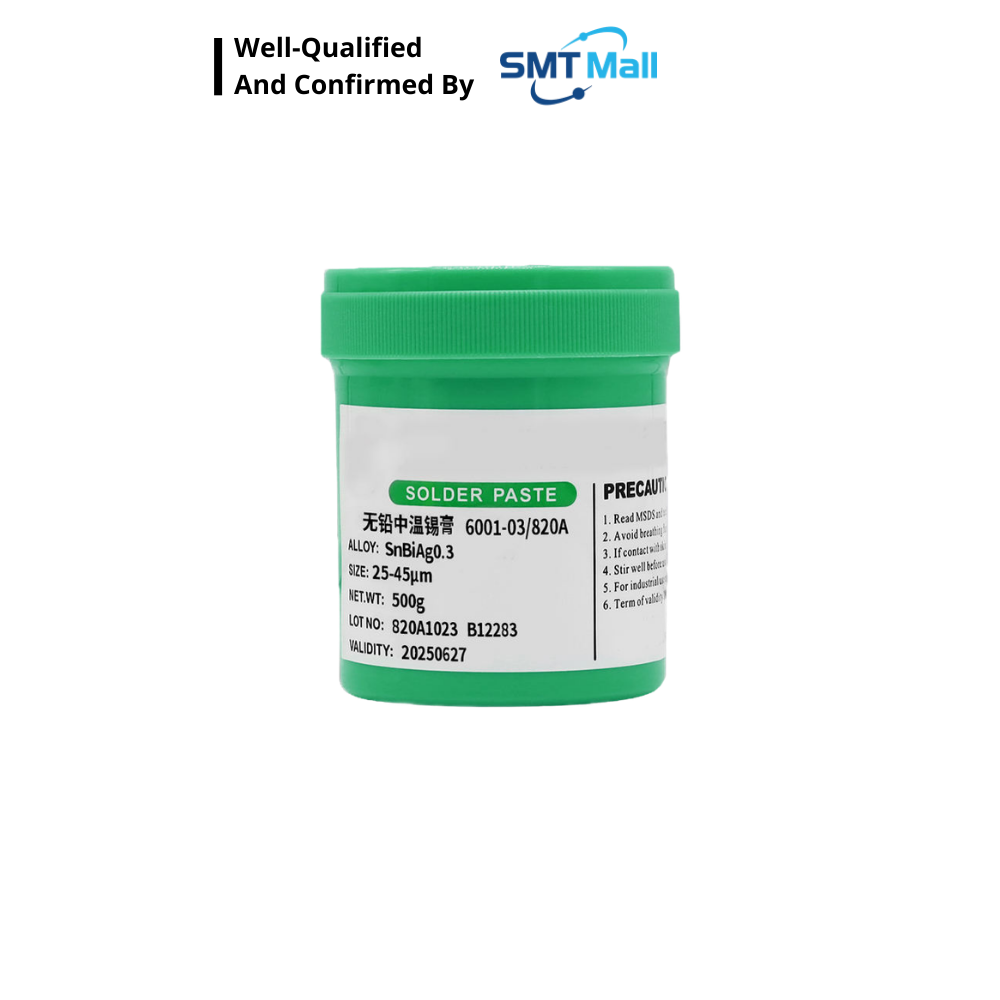
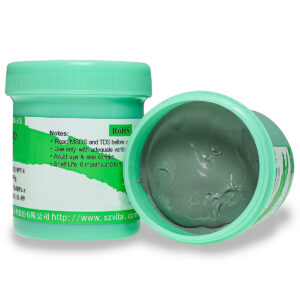
- Lead-free solder paste: high-reliability, lead-free solder paste used in SMT and reflow processes.
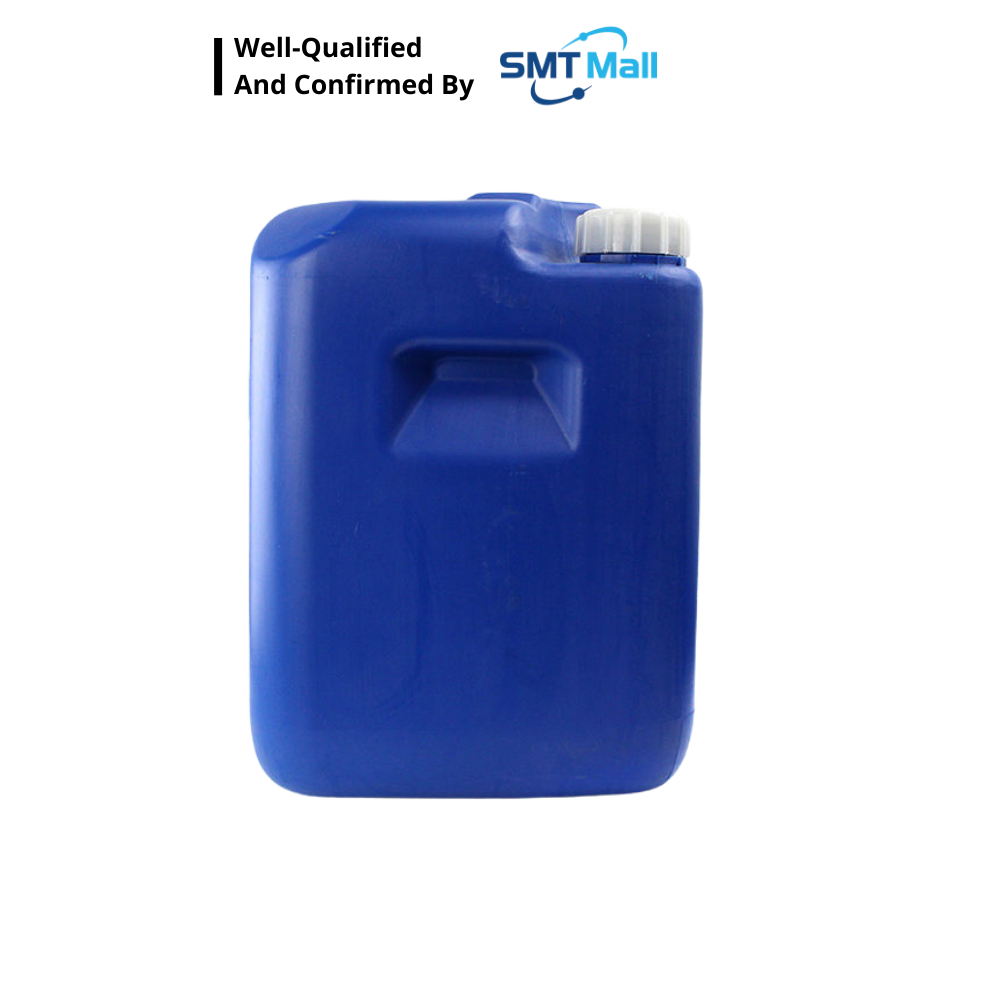
- Cleaning detergent: solution for removing flux residues and impurities from solder joints.
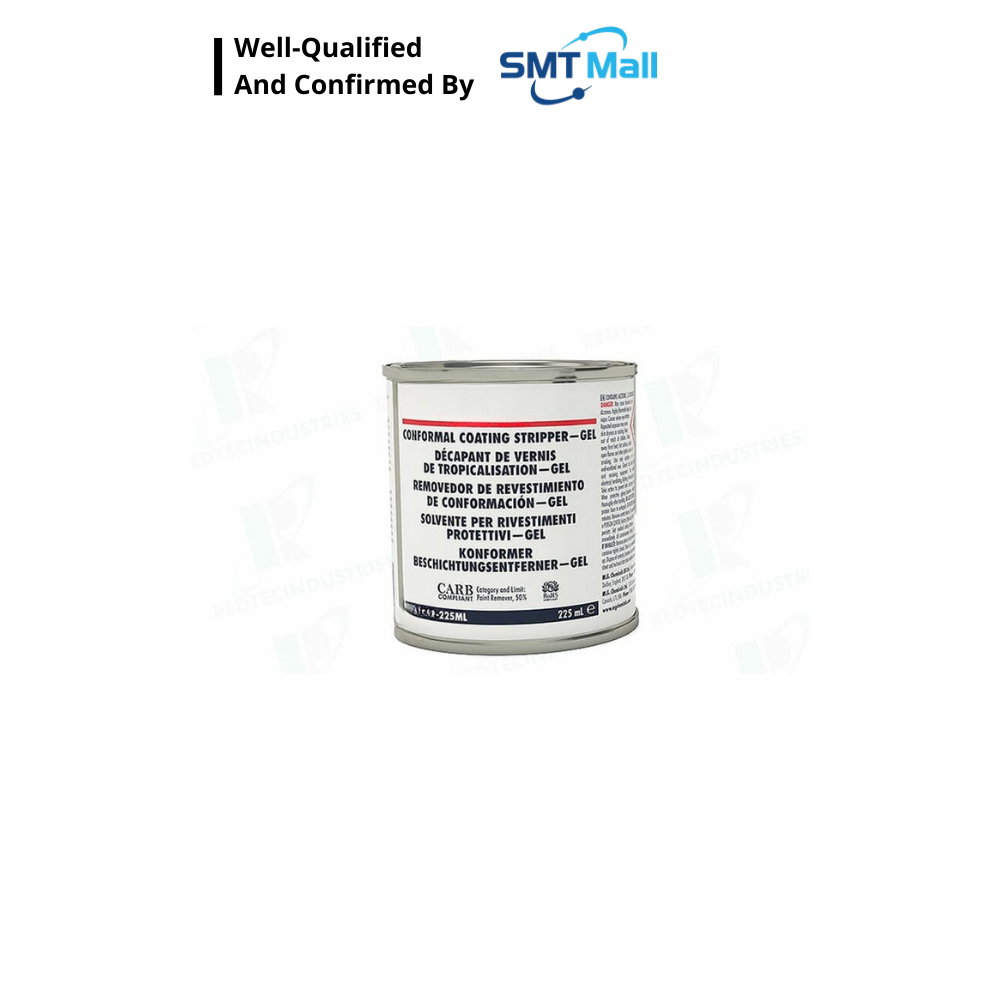
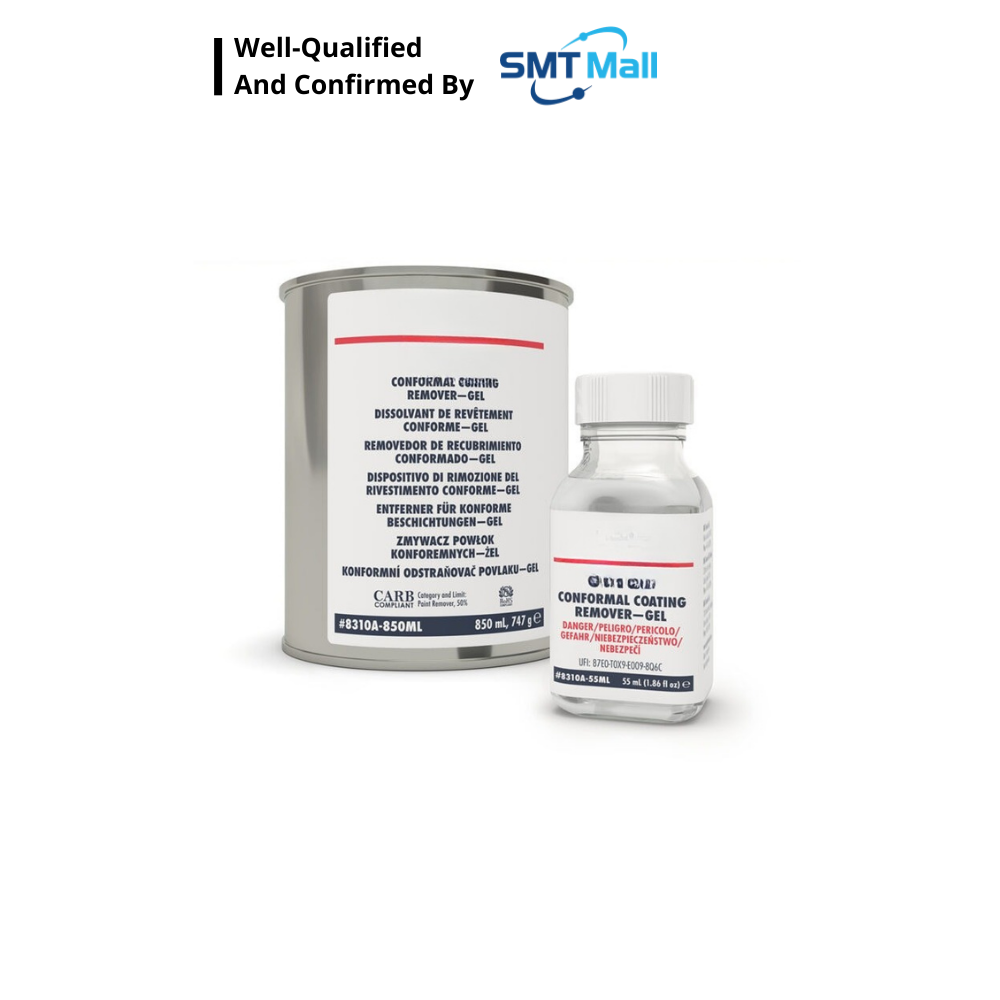
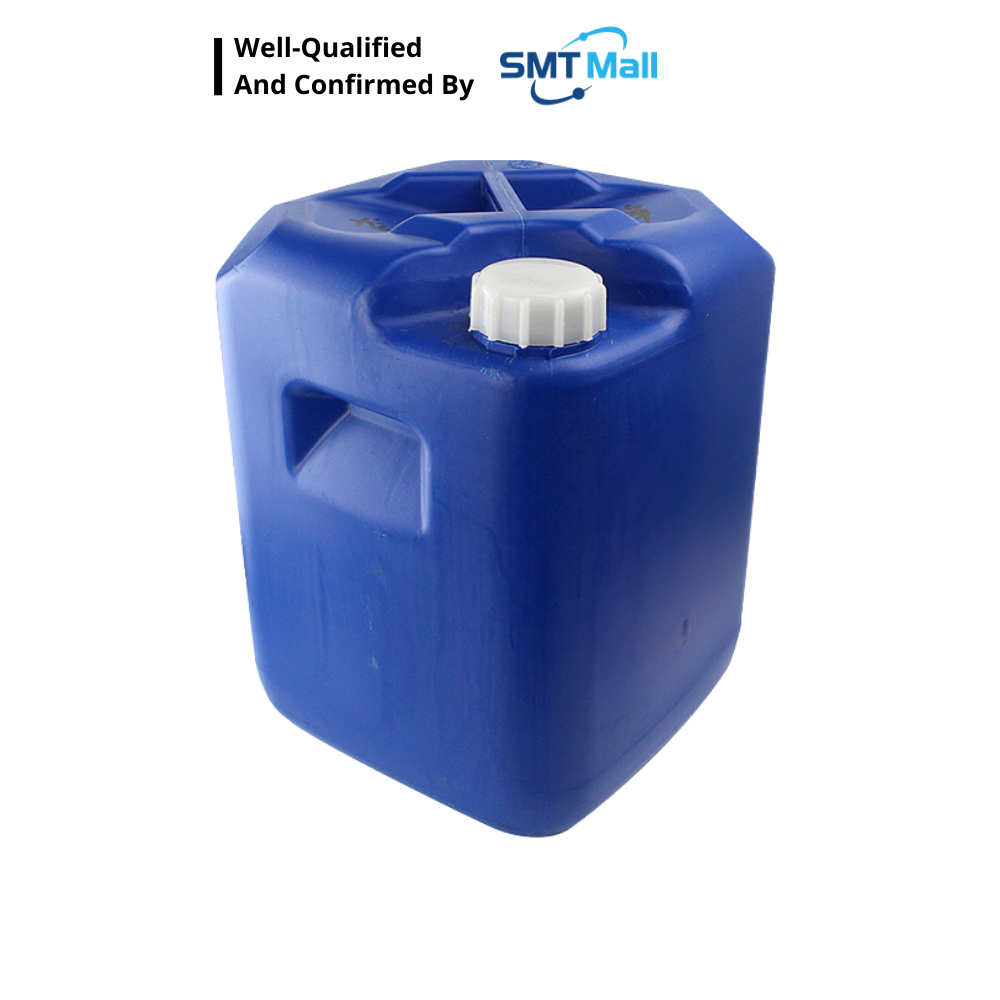
- Conformal coating stripper: chemical agent for removing protective coating layers during rework or repair.
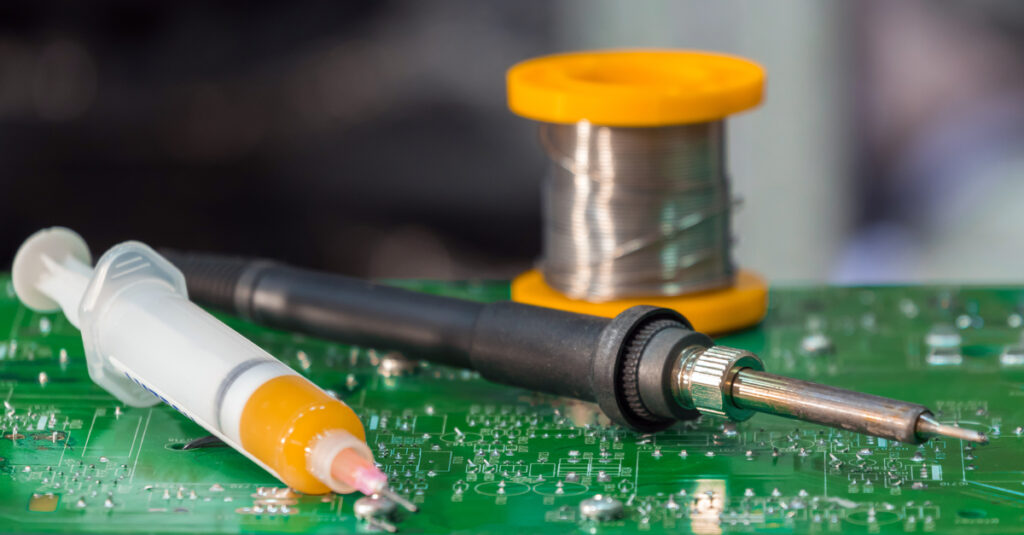
Benefits of Soldering Materials
- Ensure reliable electrical connection: guarantee stable current flow and signal transmission.
- Enhance mechanical strength: firmly secure components to the PCB surface.
- Prevent oxidation and corrosion: extend the service life of the circuit board.
- Optimize production efficiency: compatible with automated SMT/AI soldering lines.
- Comply with environmental standards: lead-free solder formulations are eco-friendly and safe for users.
The solder joint is the vital connection backbone of every electronic device.
High-quality soldering materials help eliminate soldering defects, improve conductivity, and ensure long-term reliability and performance of the final product.
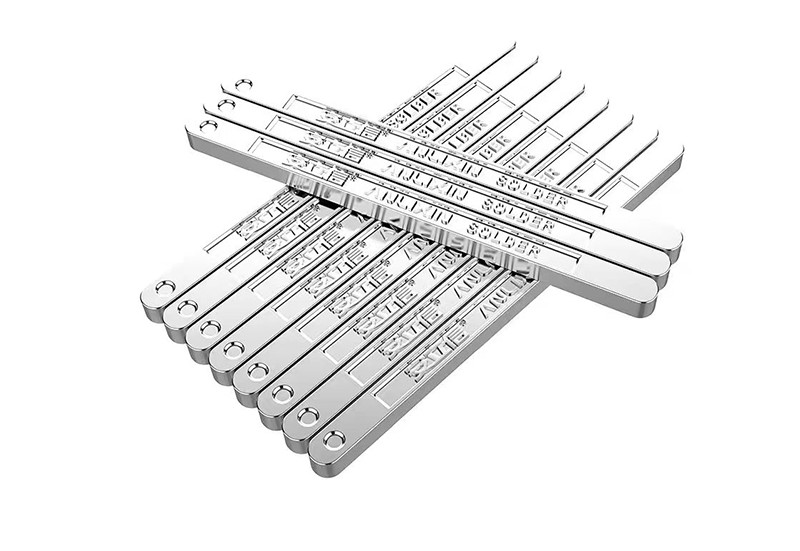
Key Factors to Consider When Choosing Soldering Materials
When selecting the right soldering materials for your production line, consider these essential factors:
1. Define the process
Determine whether it is hand soldering, wave soldering, or reflow soldering.
2. Choose the right material type
Select between solder wire, solder paste, or solder bar depending on the application.
3. Check compatibility
Ensure consistency between flux type, alloy composition, and PCB surface finish.
4. Comply with RoHS and REACH standards
Mandatory for export products and high-end electronics.
5. Select reliable suppliers
Ensure product stability, consistent quality, and strong technical support.
6. Investment Analysis
Evaluate the total cost of ownership, including equipment pricing, operational expenses, maintenance requirements, energy consumption, and expected return on investment through reduced labor and improved quality metrics.
Recommended Soldering Materials
We offer a variety of soldering materials ideal for your production line.