
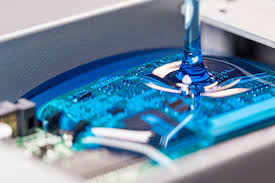

Counter & Inspection solutions
Automatic Inspection in Manufacturing – The Key to Consistent Quality
1. Limitations of Manual Inspection
Even skilled operators can make errors when performing repetitive visual inspections for extended periods. Factors such as fatigue, lighting conditions, and concentration directly affect accuracy.
As production volumes increase, manual inspection struggles to maintain required speed and precision — resulting in undetected defects, higher rework rates, and rising production costs.
2. What Is Automatic Inspection?
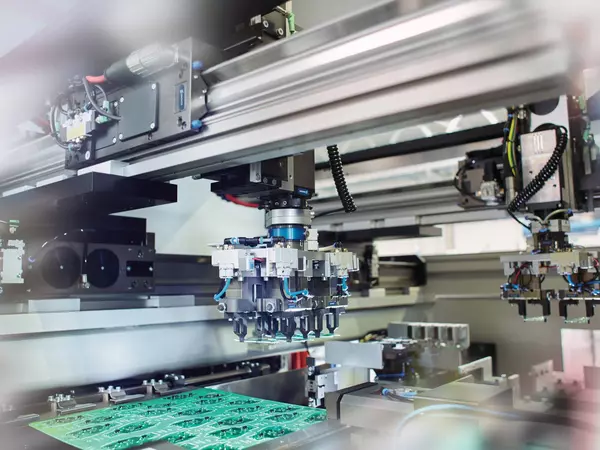
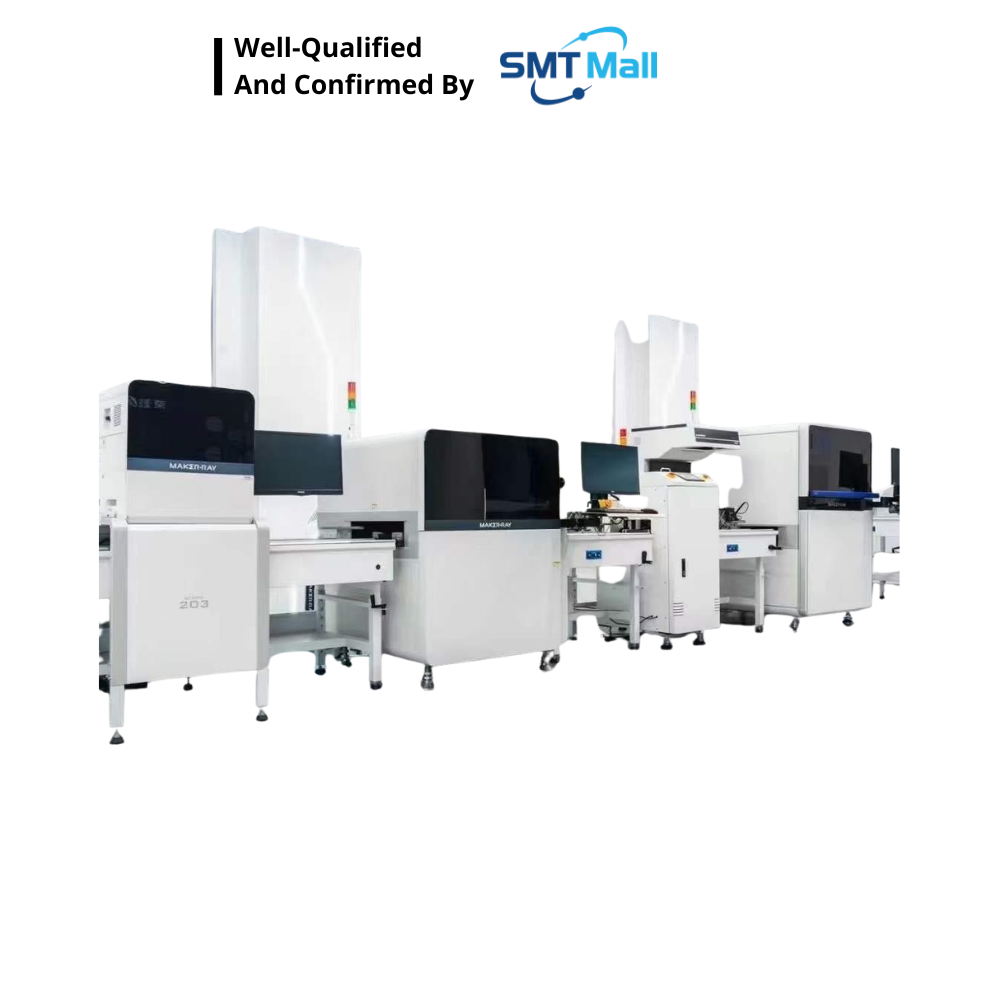
Automatic Inspection Systems use industrial cameras, sensors, and image processing software (machine vision) to detect defects according to predefined parameters.
Common Types of Inspection Systems:
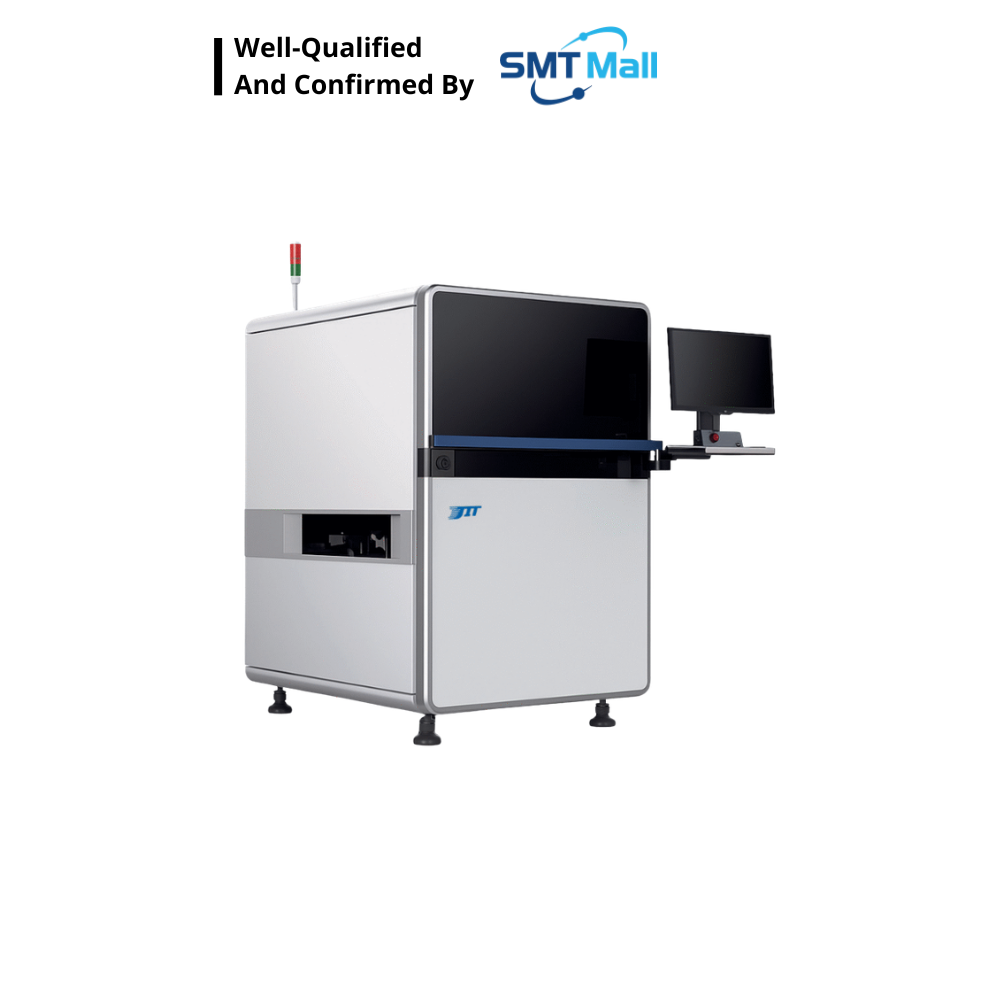
- AOI (Automatic Optical Inspection): Detects soldering defects, missing or misaligned components.
- 3D Inspection: Measures height and volume of solder paste, adhesives, or coatings.
- Vision Inspection: Identifies scratches, cracks, discoloration, or contamination.
These systems operate continuously and consistently, identifying defects early before products move to the next production stage.
3. Key Benefits
- Faster and more accurate defect detection
- Reduced reliance on manual labor
- Consistent product quality across production lines
- Full traceability through inspection data logging
- Supports predictive quality management
4. Practical Applications
- Electronics / SMT: Detect solder bridges, reversed components, polarity errors.
- Automotive: Inspect control units, sensors, and PCB assemblies.
- Medical Devices: Ensure integrity of micro components and sensitive materials.
Conclusion
Automated inspection is more than a quality control tool — it is a strategic investment in smart manufacturing. By integrating AOI, 3D, and machine vision systems, manufacturers reduce human error, accelerate production cycles, and move closer to true zero-defect manufacturing.
As manufacturing continues its digital transformation, automatic inspection systems will remain a key driver of productivity, reliability, and long-term process optimization.
Explore Inspection Automation Solutions →Recommended Product
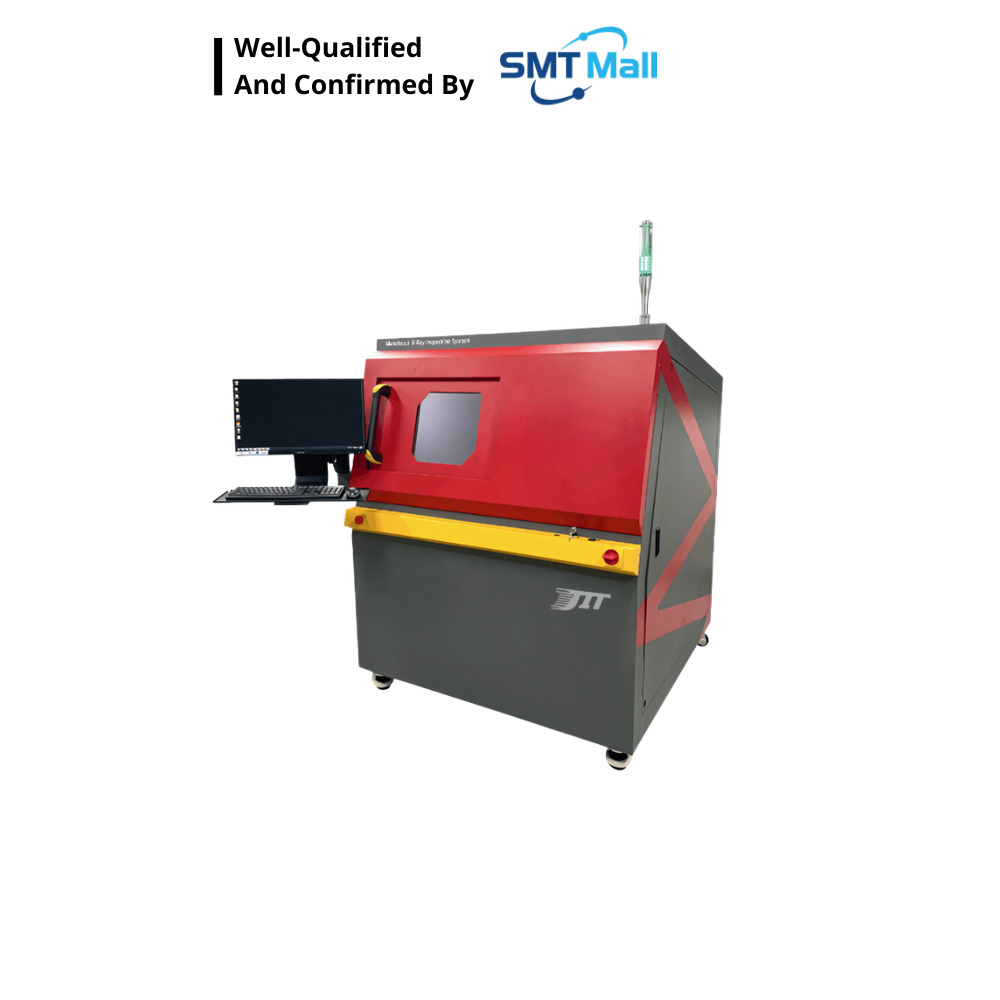
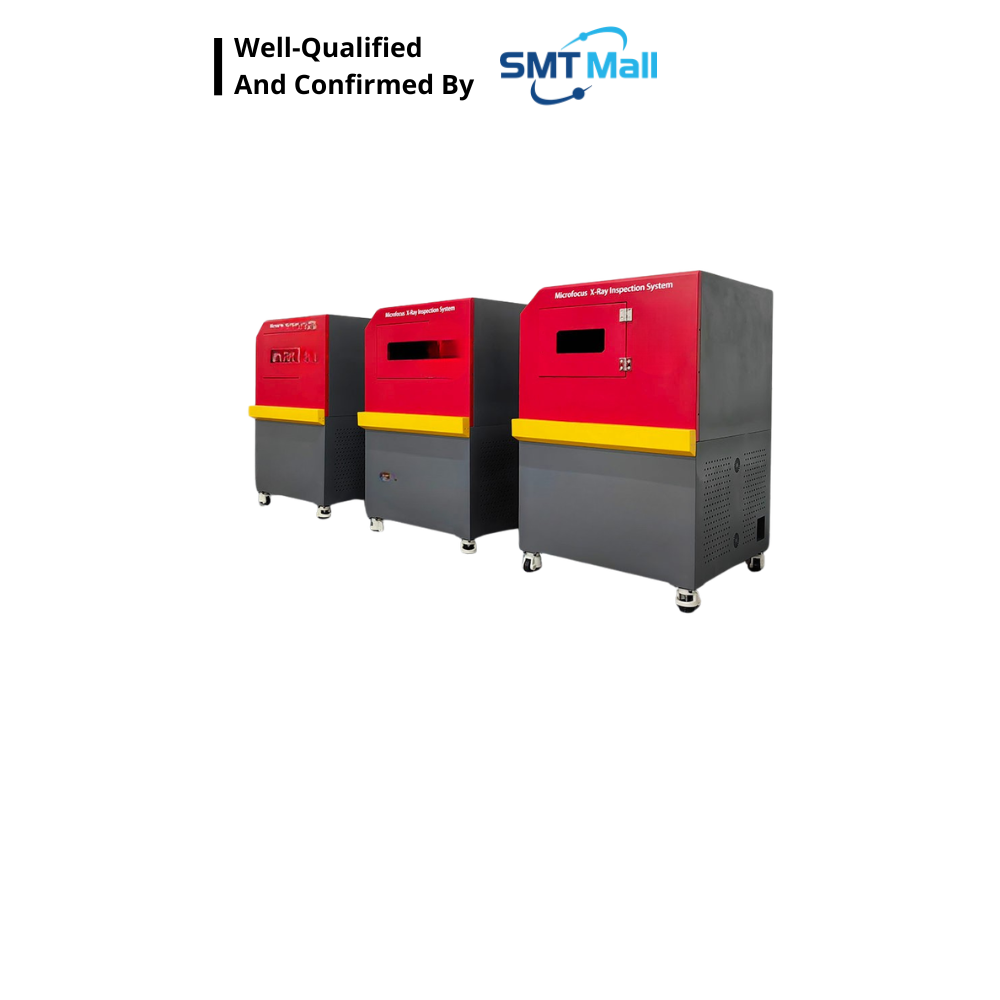
We offer a variety of X-ray counter machines for your production needs, including: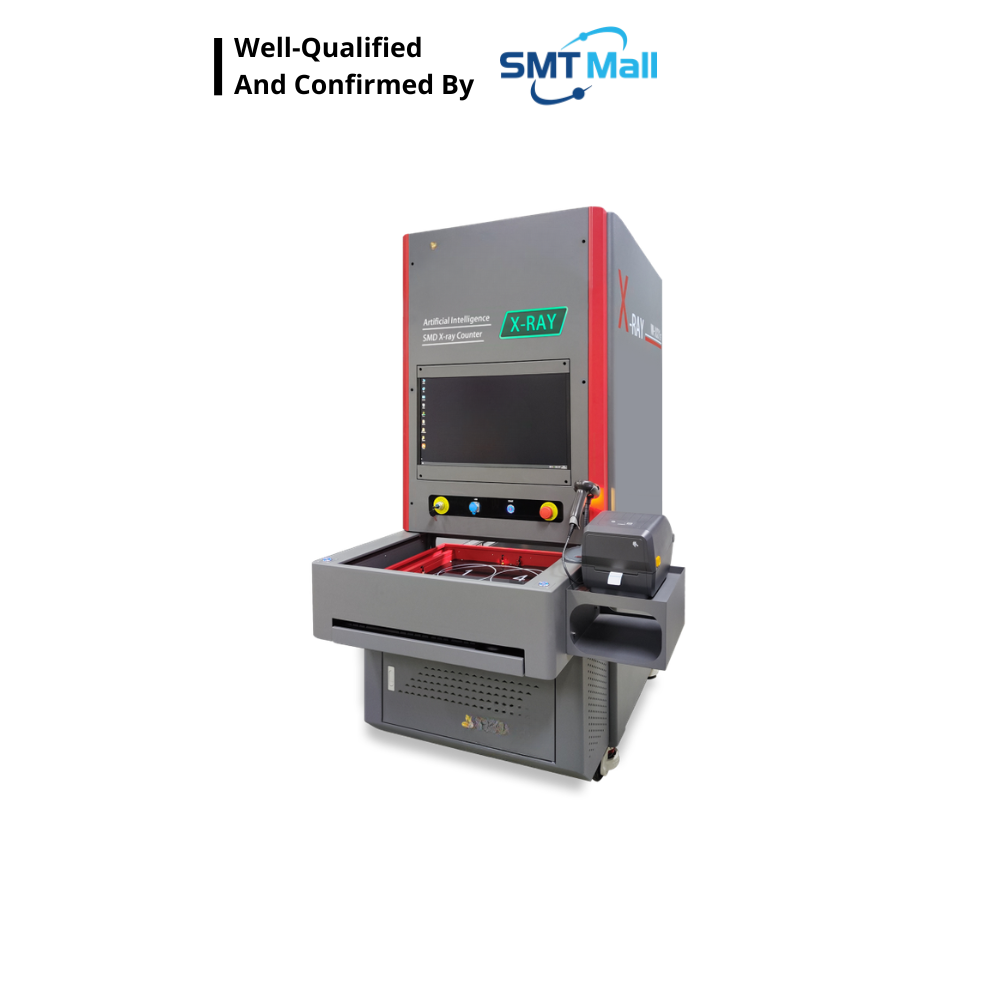
Counter solutions
$ 27,300.00
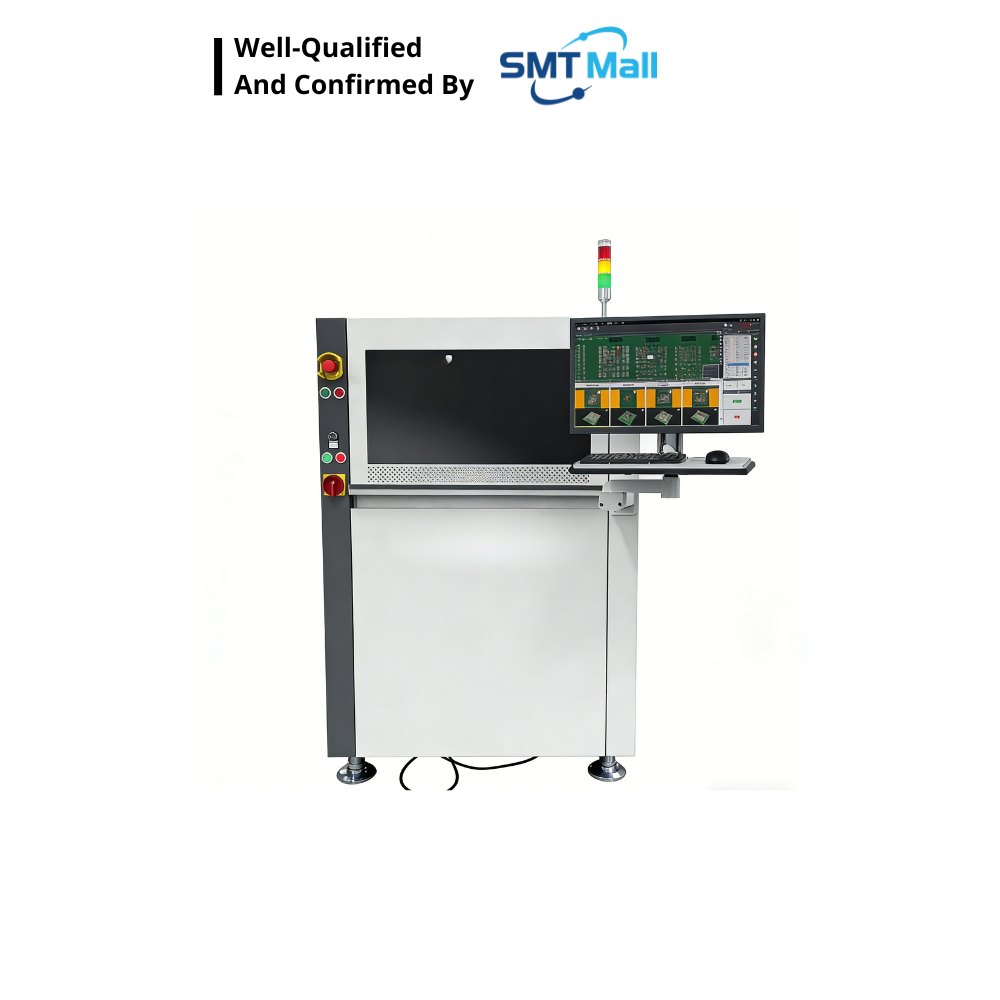
Inspection solutions
$ 34,750.00
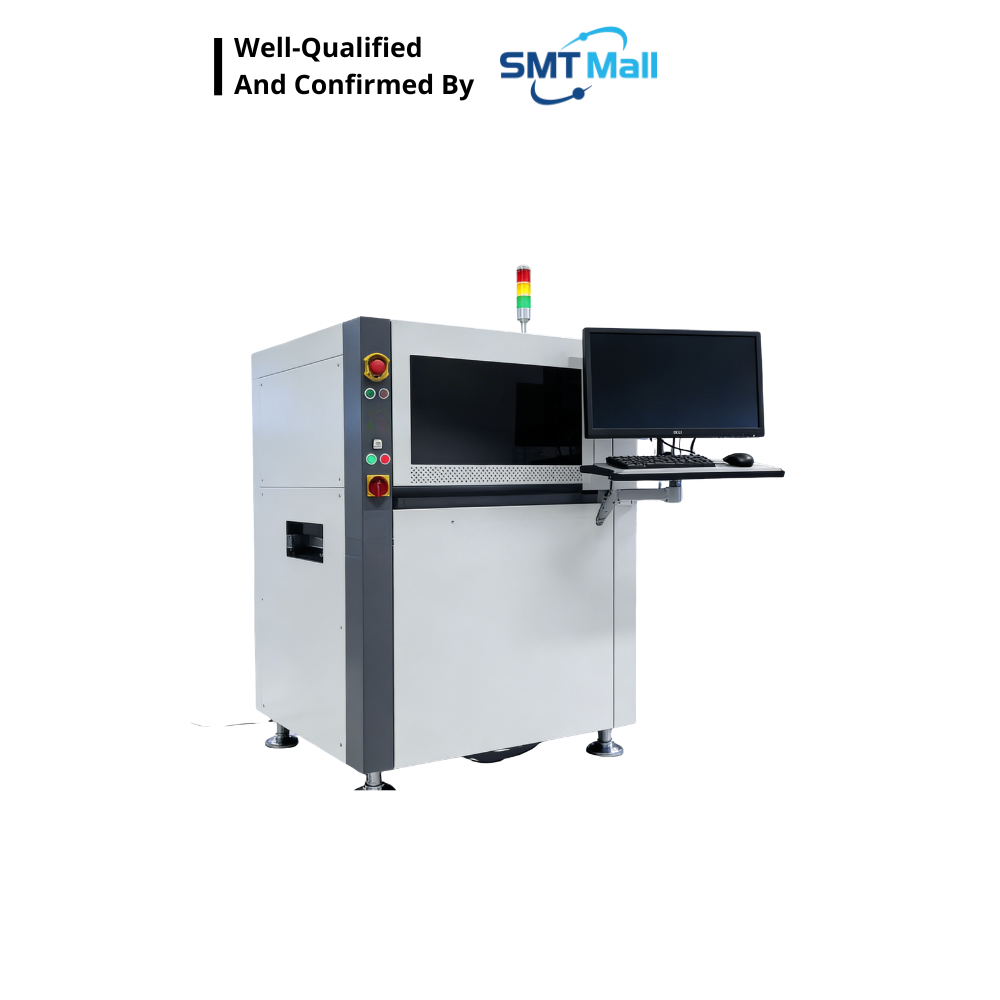
Inspection solutions
$ 54,000.00
Inspection solutions
$ 55,000.00