
Counter & Inspection solutions
Integrated Counter & Inspection – The Next Step Toward Smart Quality Management
1. Why Integration Matters
In a standard SMT production line, materials flow through multiple stages: counting → mounting → inspection → packaging. When these systems operate independently, data becomes fragmented, limiting visibility and slowing root cause analysis.
- Real-time synchronization between counters and inspection systems
- Early anomaly detection when material usage deviates from plan
- Full traceability of reel, lot number, and operator actions
- Improved control in high-mix, low-volume production
2. How Effective Integration Works
A unified data platform — typically the MES (Manufacturing Execution System) — connects counting equipment, AOI systems, barcode scanners, and ERP software.
- AOI verifies solder quality and detects defects
- Component counters ensure accurate material consumption
- Barcode / QR scanning tracks reel identity and lot number
- ERP / MES synchronizes all production data in real time
This structure assigns a unique digital footprint to every component, enabling precise root cause analysis when issues arise.

3. Key Benefits of Integration
- Improved process visibility and reduced human error
- Accurate root cause identification
- Seamless traceability for ISO 9001 & IATF 16949 audits
- Faster response time through automated alerts
- Optimized inventory and material management
- Standardized data across production and quality teams
4. Future Trends: Smart Quality Control Loop
As factories evolve, integration will go beyond data collection. AI-driven analytics and machine-to-machine (M2M) communication will enable predictive quality management.
- Automatic cross-checking of counter anomalies with inspection data
- Instant trace-back to defective reel or lot number
- Adaptive process adjustments without manual intervention
- Seamless communication via IPC-CFX and Hermes standards
This creates a closed-loop quality control system where machines continuously learn, optimize, and prevent defects proactively.
Integrating Counter and Inspection systems is no longer optional — it is a strategic move toward building a smart, connected, and sustainable manufacturing ecosystem. Real-time data, traceability, and automation ensure every component contributes to consistent quality and operational excellence.
Build Your Smart Production Ecosystem →
Recommended Product
We offer a variety of X-ray counter machines for your production needs, including:
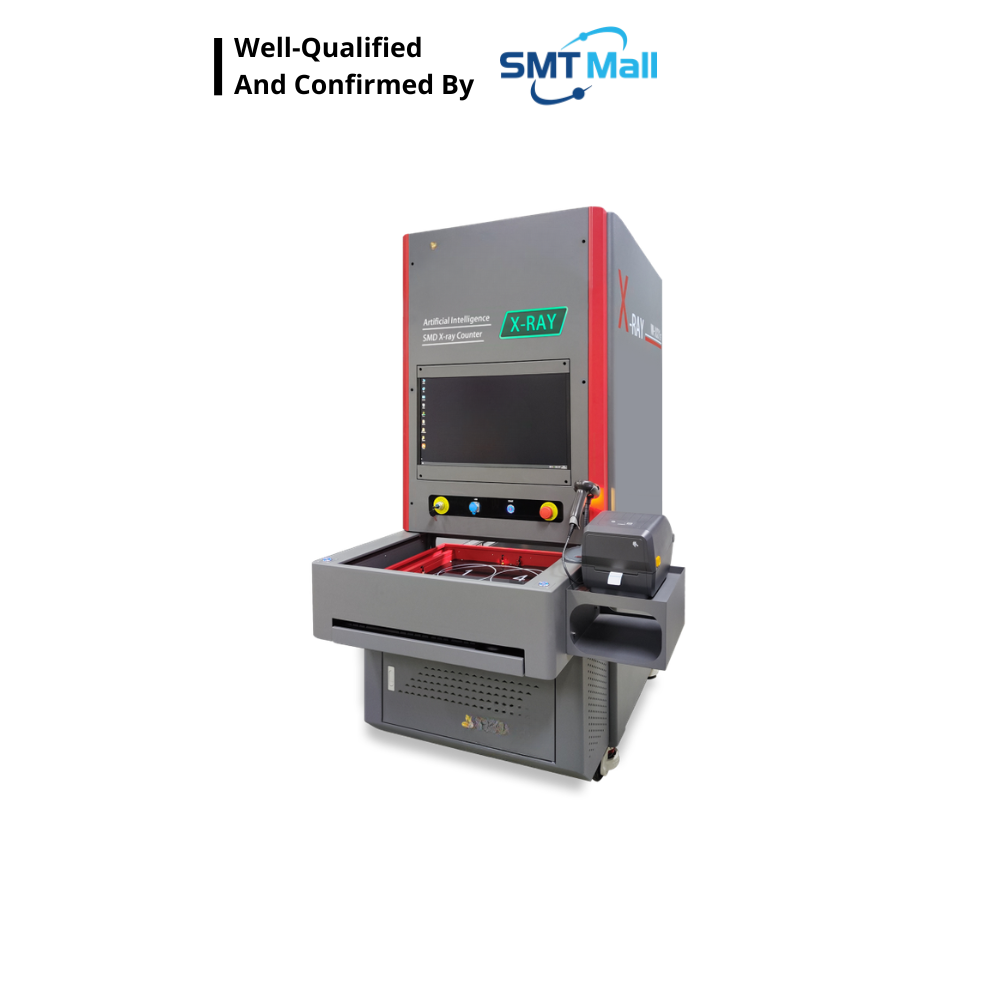
Counter solutions
$ 27,300.00
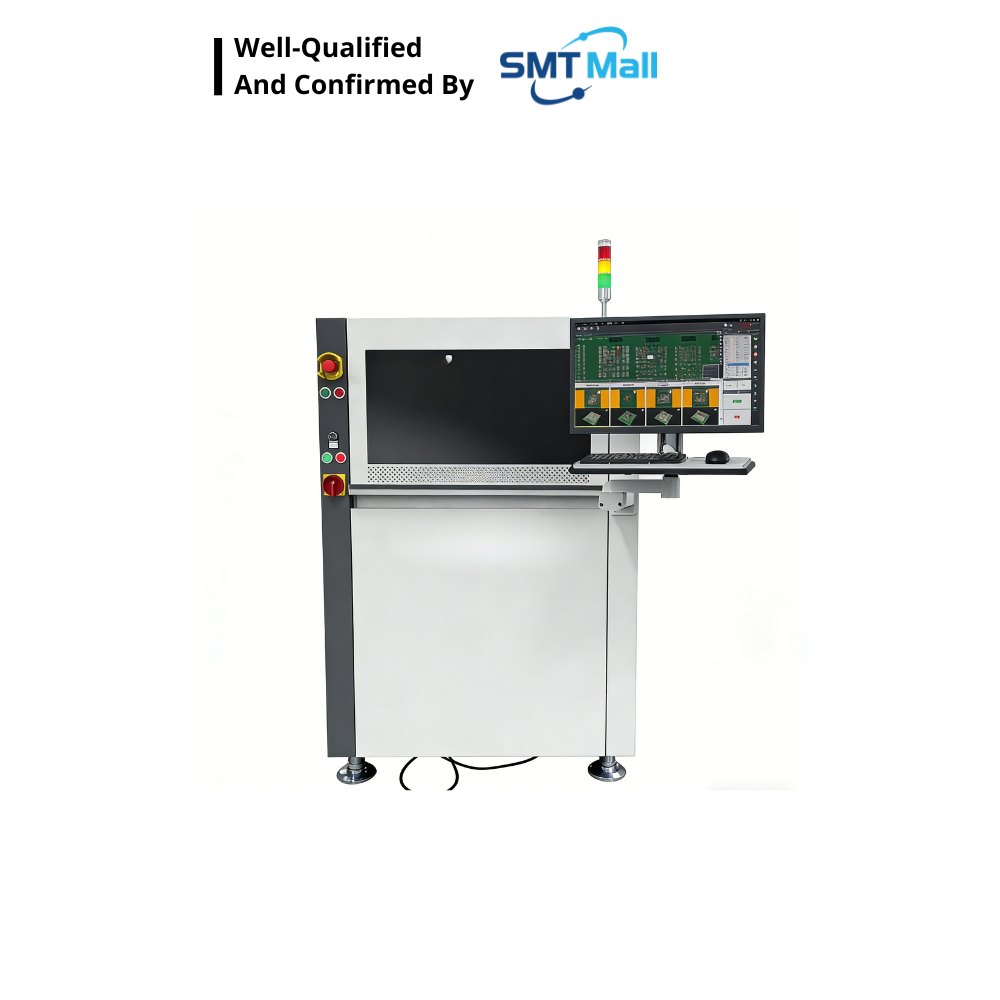
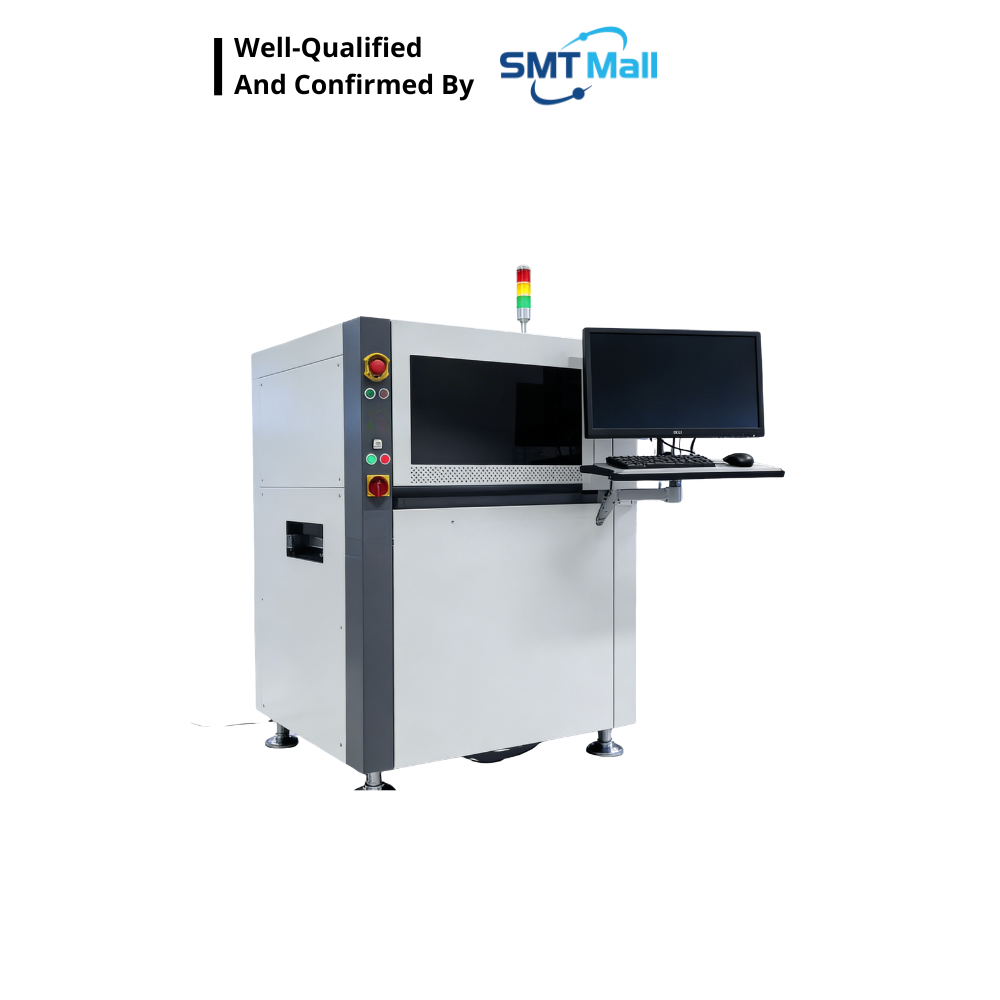
Inspection solutions
$ 34,750.00
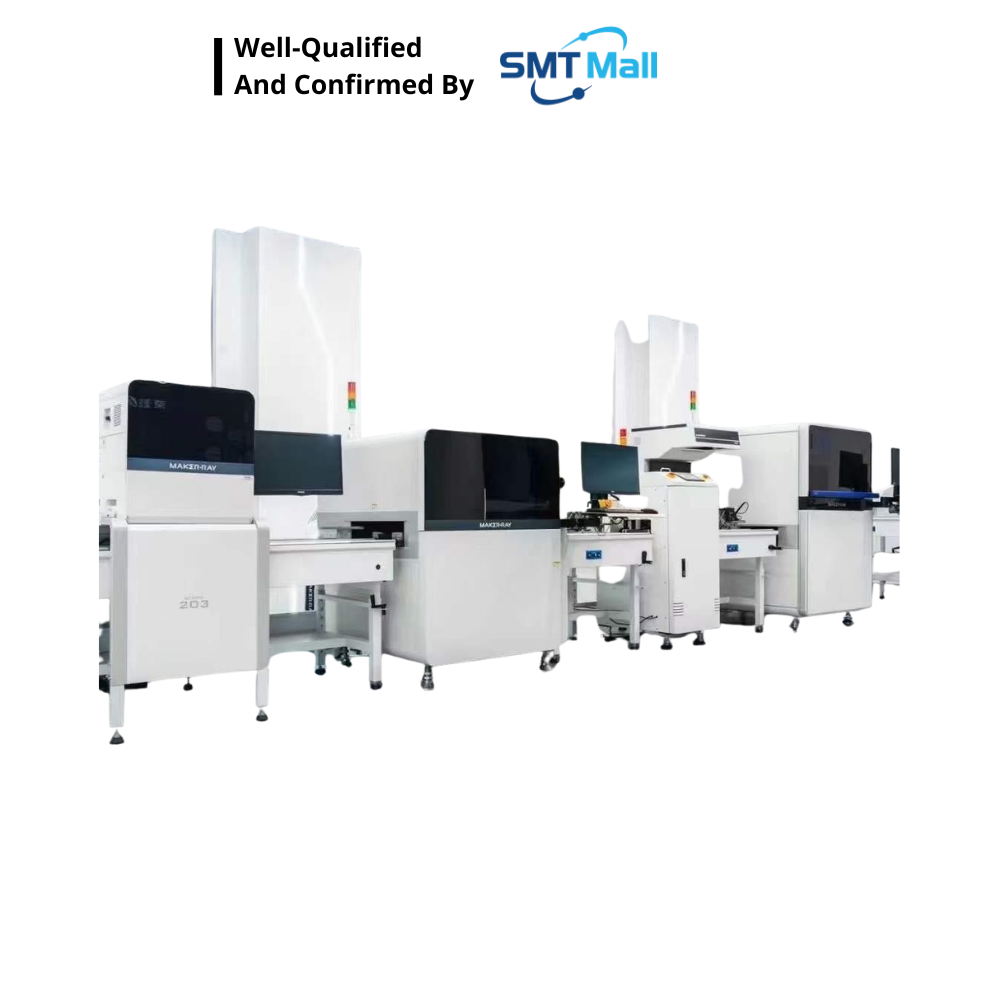
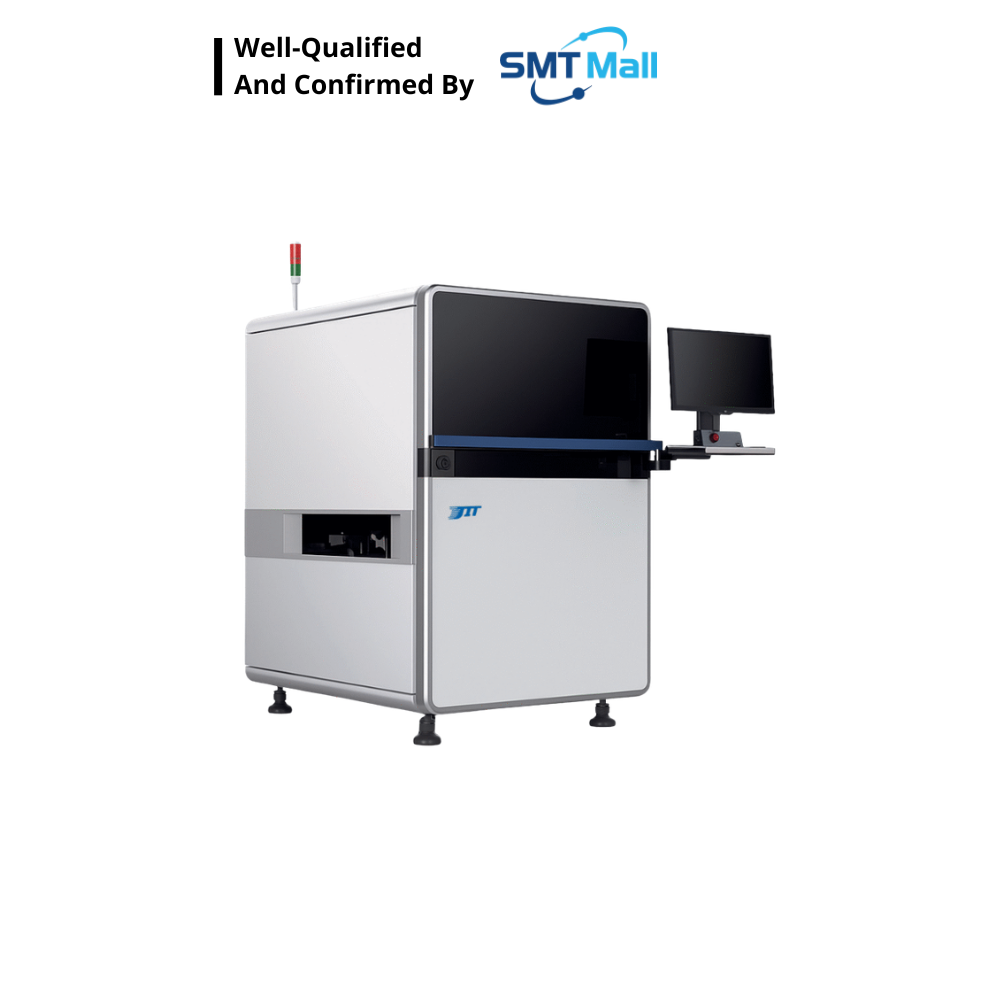
Inspection solutions
$ 54,000.00
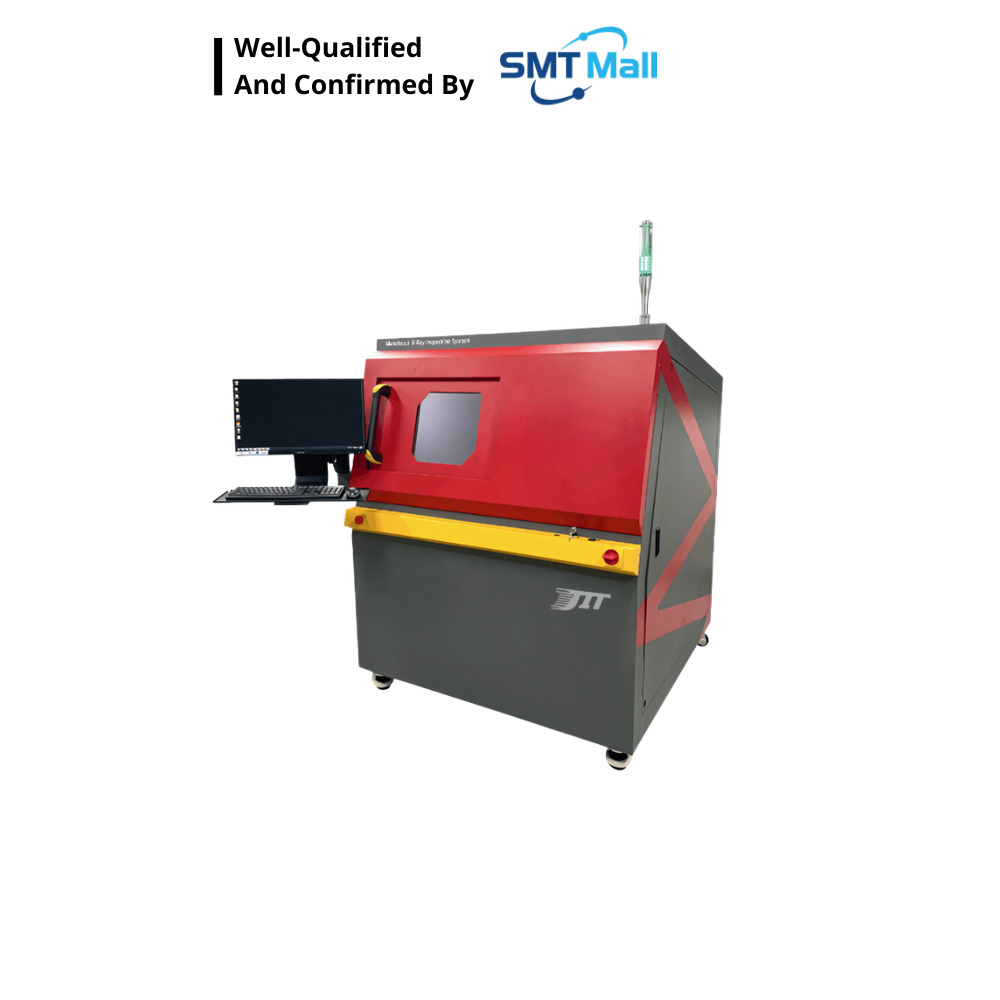
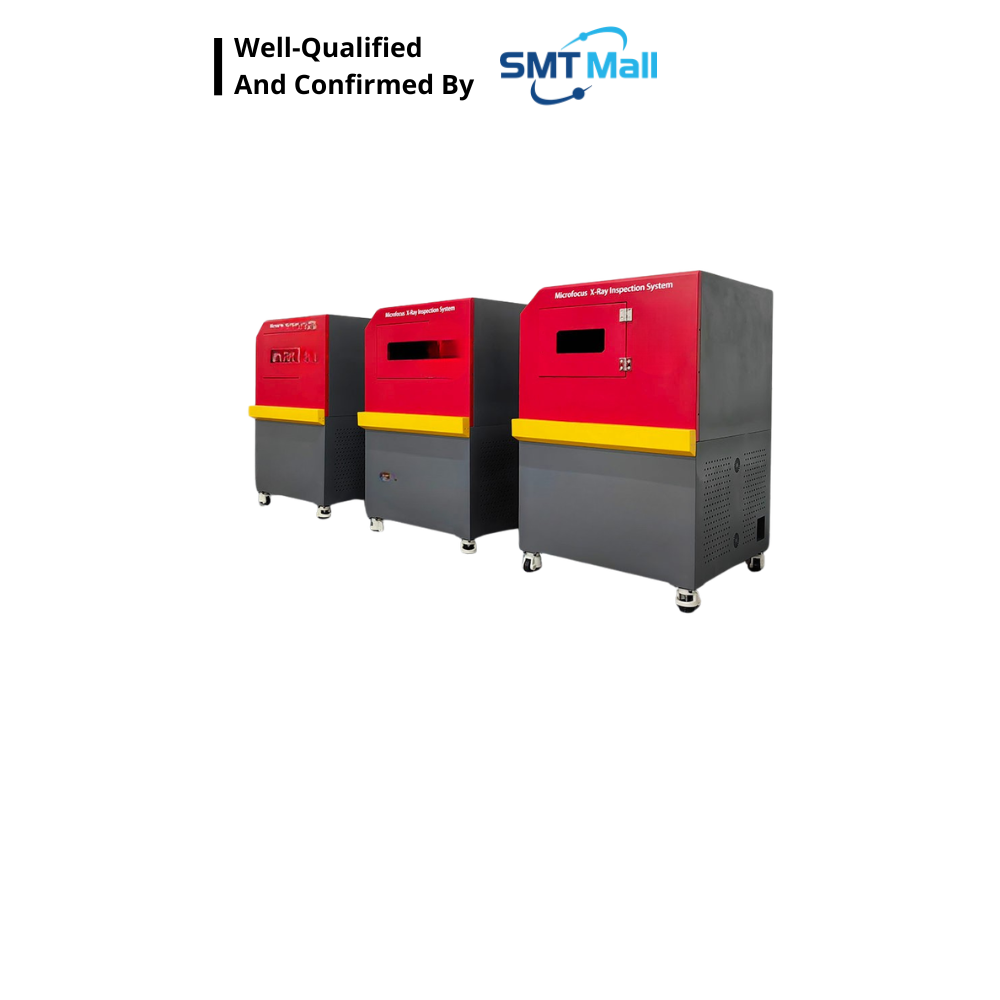
Inspection solutions
$ 55,000.00