
Depaneling solutions
Comparing Depaneling Solutions – Router or Laser Cutting?
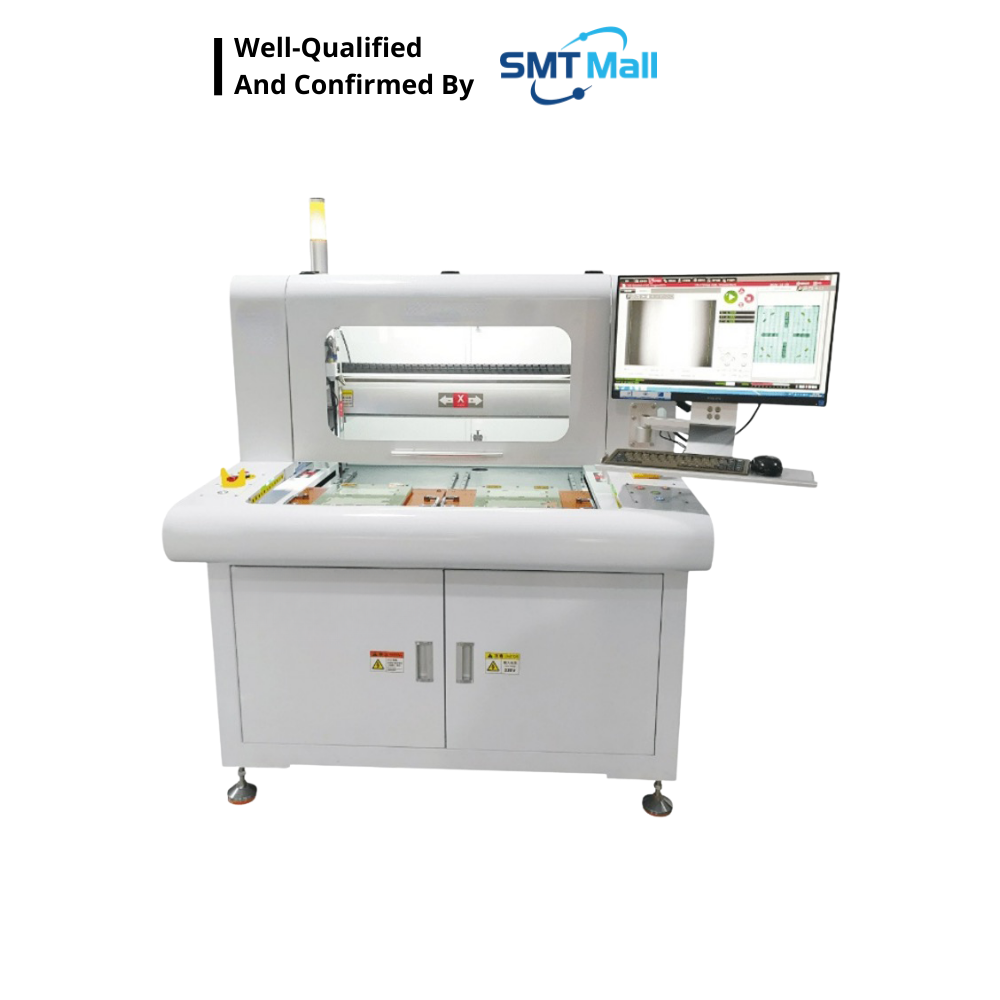
1. Manual & Offline PCB Router
Manual and offline PCB routers use high-speed rotating blades to separate circuit boards from panels. These systems are widely adopted for flexible production environments and smaller batch sizes.
Advantages
- Easy operation with lower initial investment
- Flexible setup for frequent product changes
- Suitable for prototype runs or low-volume production
Limitations
- Dust generation during cutting
- Minor mechanical stress on sensitive components
- Precision affected by tool wear and programming accuracy
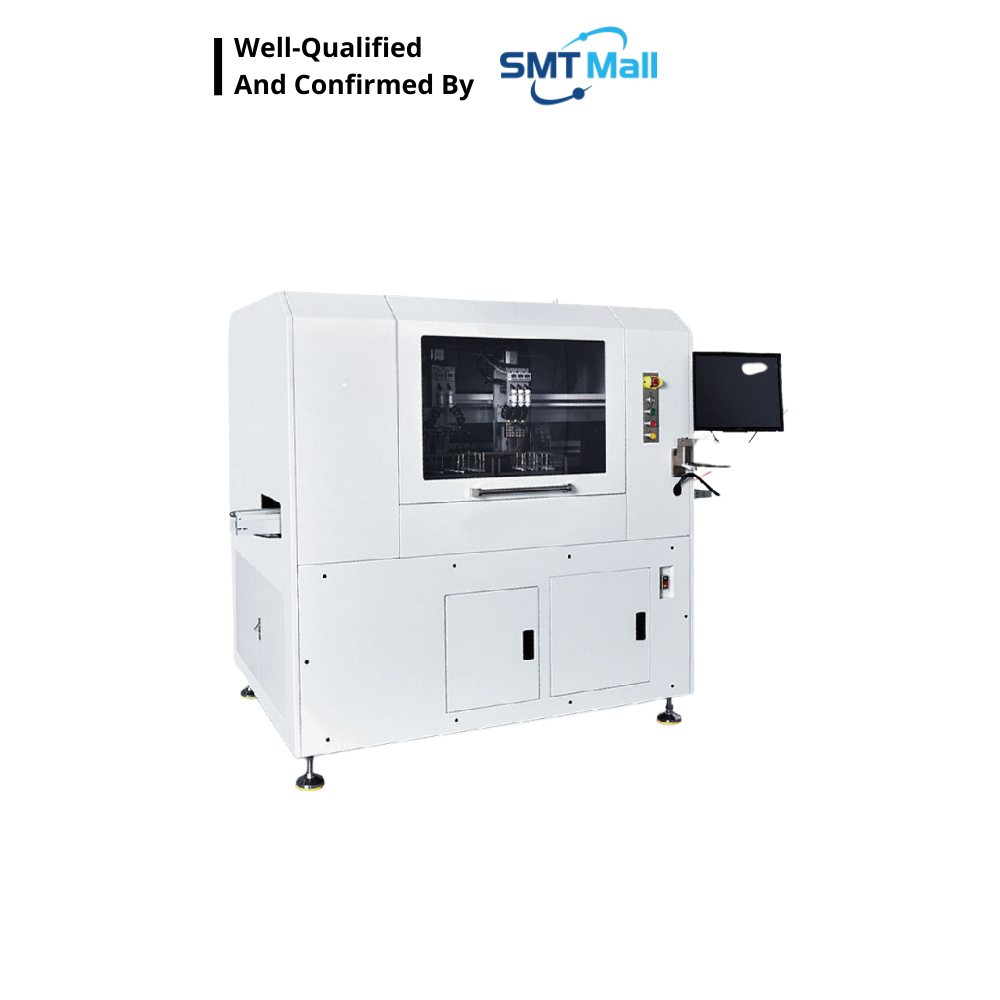
2. Inline PCB Router – Fully Automated
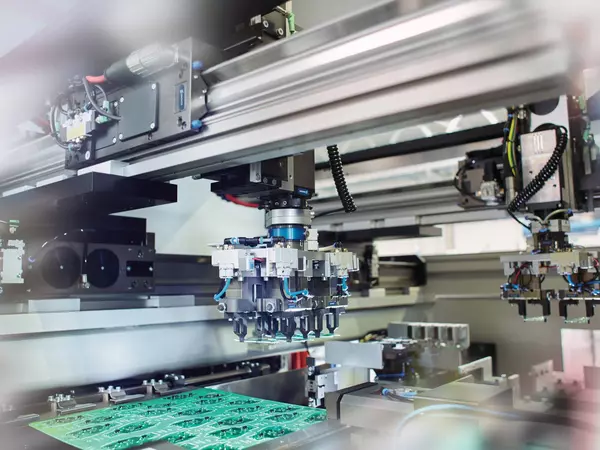
Inline PCB routers are integrated directly into SMT production lines, enabling automated and continuous depaneling synchronized with upstream and downstream equipment.
Advantages
- Continuous 24/7 operation with stable output
- Reduced human error and manual handling
- Seamless integration with MES and traceability systems
Limitation
- Higher equipment cost and maintenance requirements

3. PCB Laser Cutting – Non-Contact & Ultra-Precise
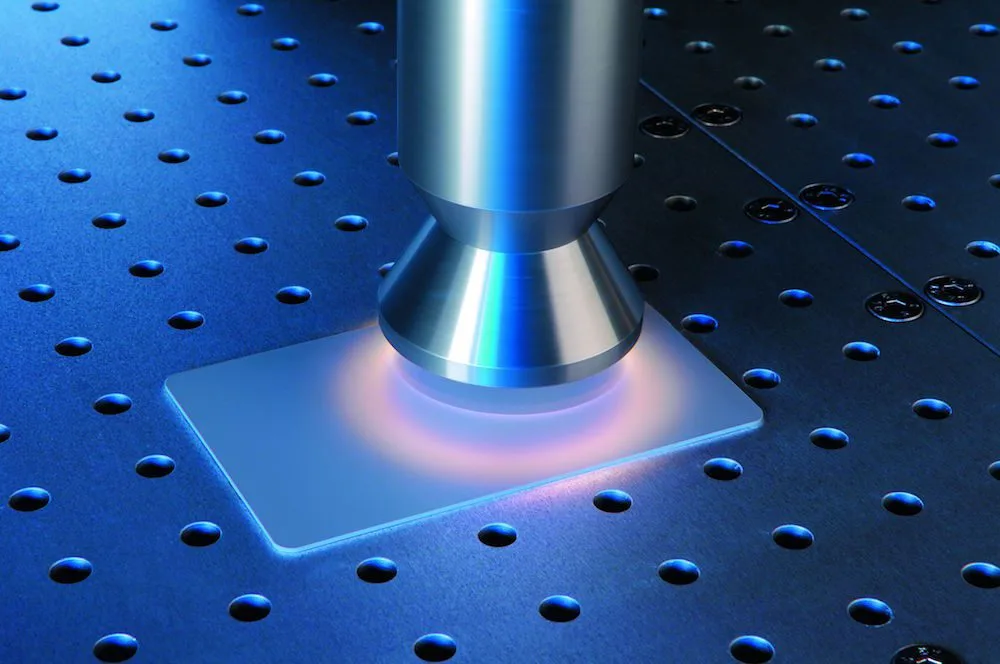
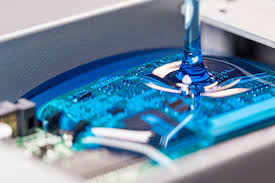
Laser depaneling uses CO₂ or UV laser beams to cut PCBs with micron-level accuracy. Unlike mechanical routers, this process is completely non-contact.
Advantages
- No mechanical stress or tool wear
- Dust-free and clean cutting process
- Ideal for thin, high-density, or delicate boards
- Perfect for camera modules and miniaturized electronics
As electronic products become smaller and more sensitive, laser depaneling is rapidly becoming the preferred solution for high-precision, clean manufacturing environments.
The right depaneling choice depends on your production volume, board complexity, and quality requirements. Whether you prioritize flexibility, automation, or ultra-precision, modern depaneling technologies provide scalable solutions for every manufacturing stage.
Compare Depaneling Solutions →Recommended Depaneling Systems
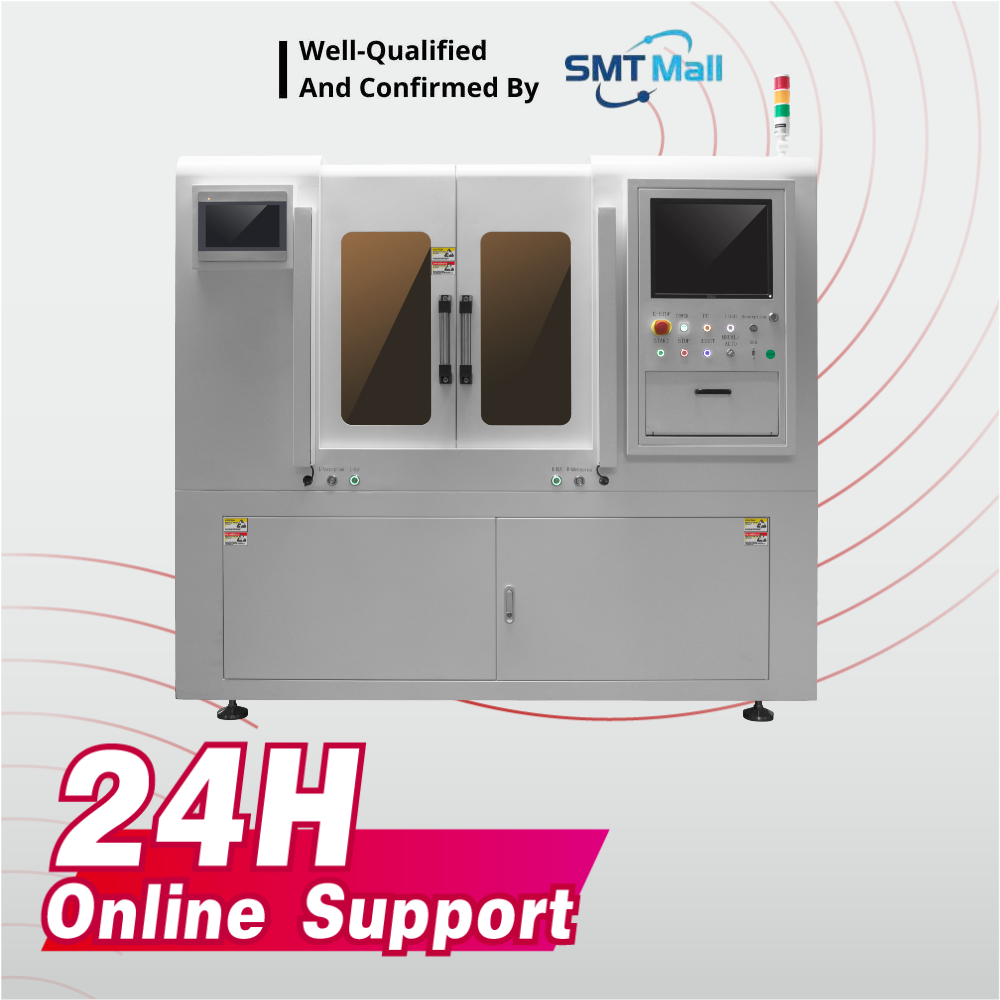
We offers a variety of depaneling systems ideal for your production line.
Depaneling solutions
$ 98,000.00
Depaneling solutions
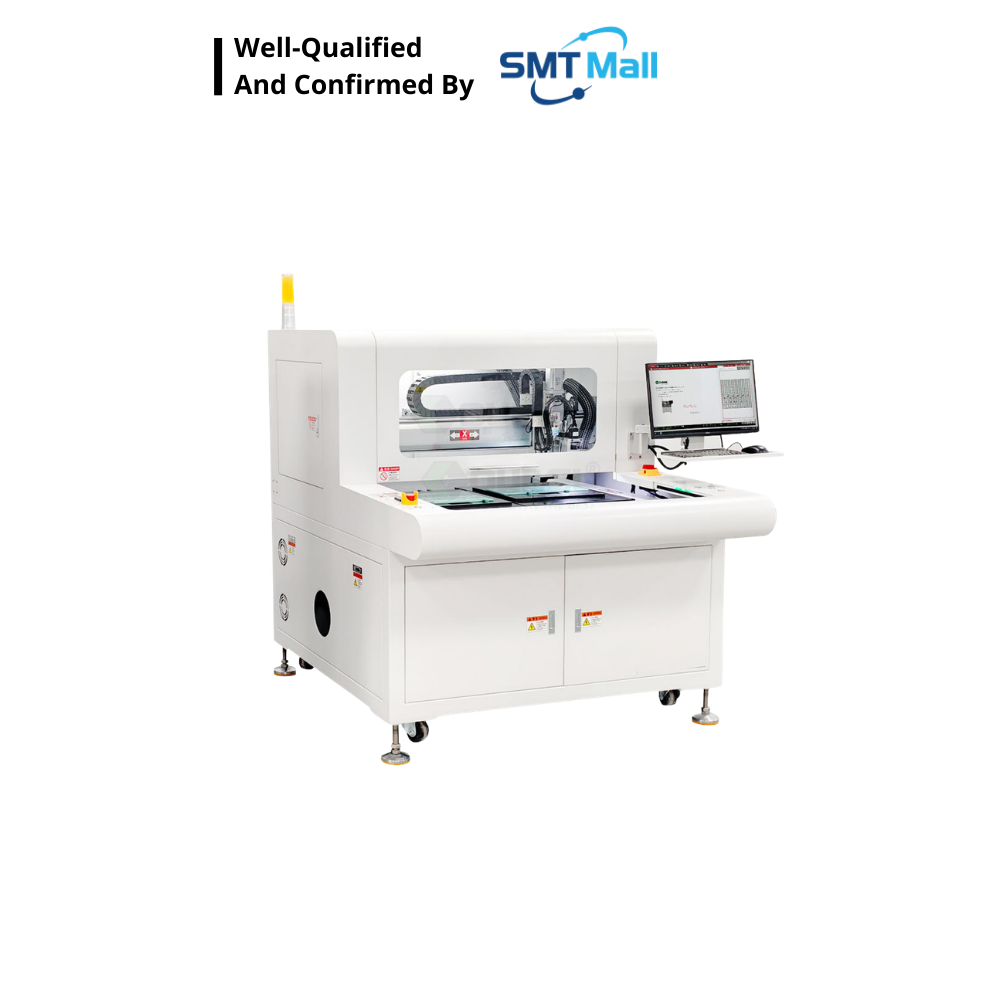
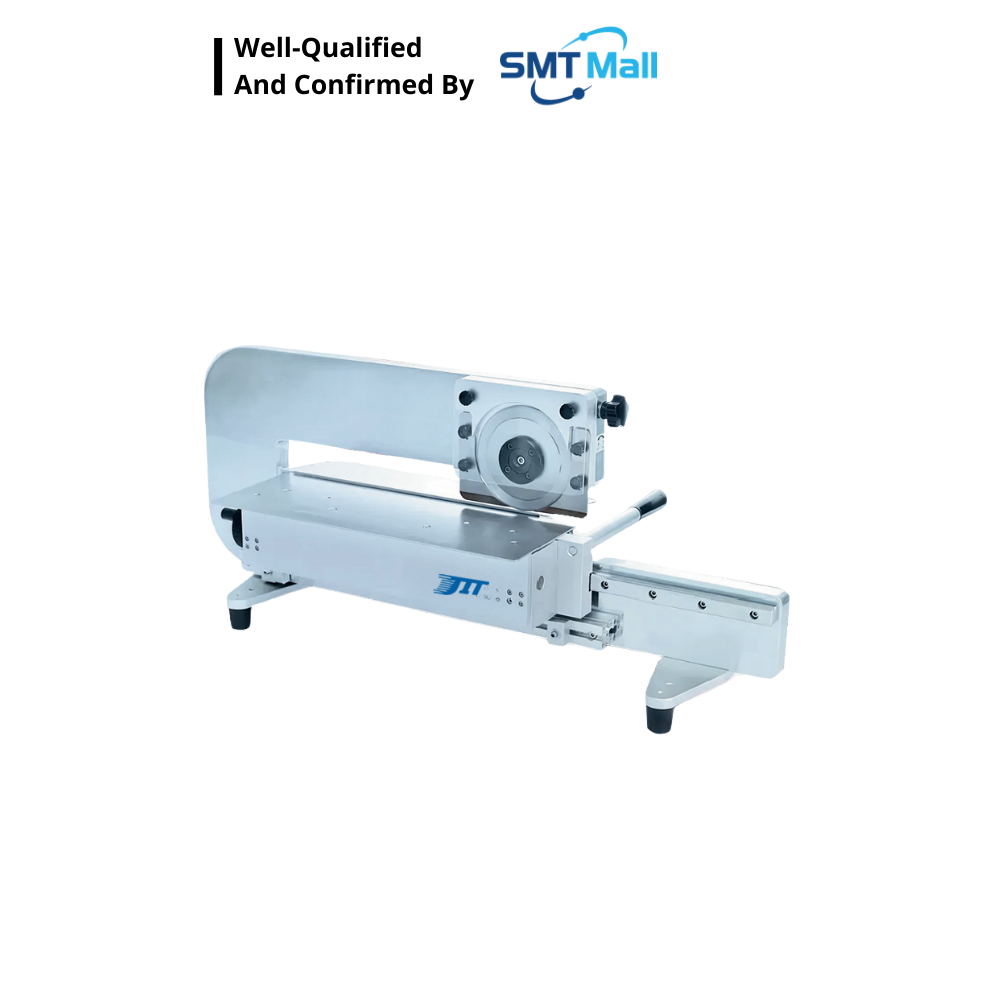
R-350M Offline Single-spindle PCBA Milling Cutter Separator Router
$ 15,400.00
Depaneling solutions
$ 4,200.00
Depaneling solutions
$ 63,000.00