
Assembling solutions
The Rise of Smart Screwdrivers in Modern Assembly Lines
1. From Manual Control to Smart Automation
Traditional screwdrivers — whether manual or powered — depend heavily on operator skill. Variations in torque can lead to loose screws, overtightening, or inconsistent assembly quality. In high-volume production, even small torque deviations may cause costly rework or product failure.
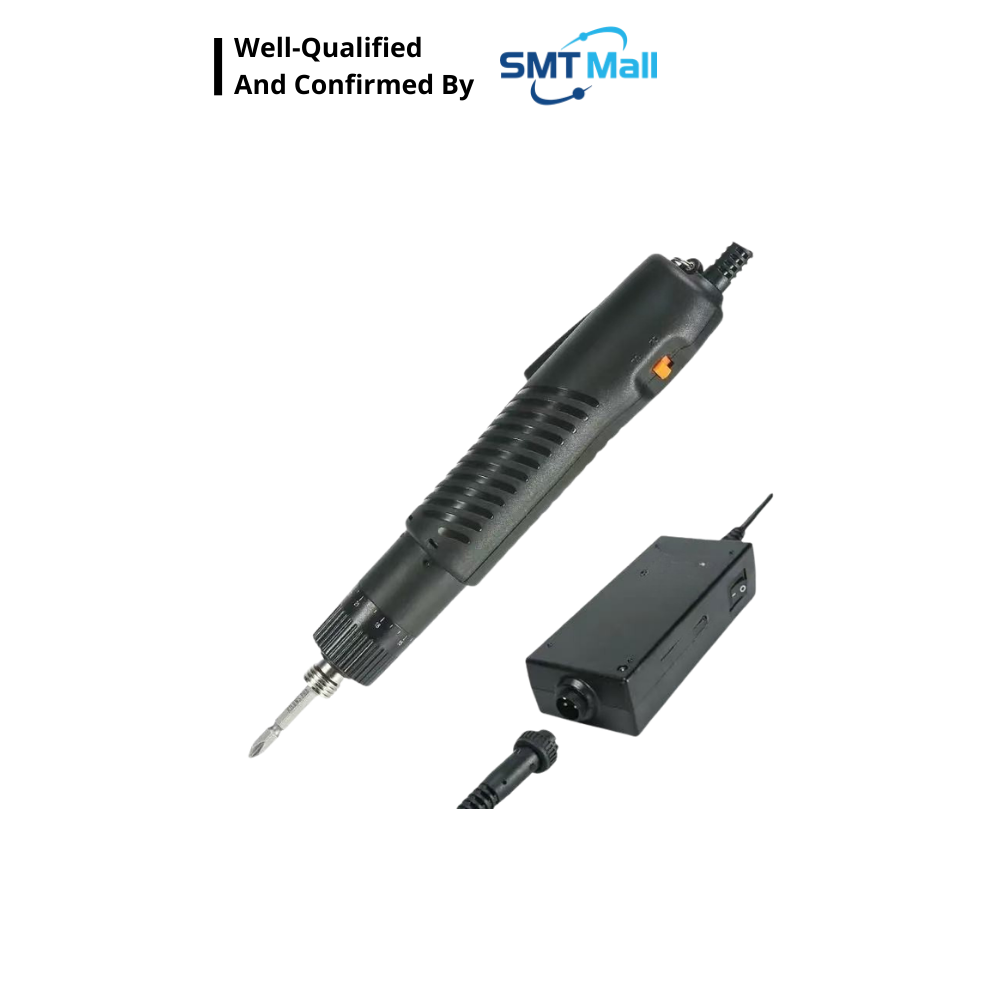
Smart screwdrivers eliminate this risk through programmable torque control and automatic shut-off. Once the preset torque value is reached, the tool stops instantly, ensuring identical fastening across thousands of units.
2. The Technology Behind Smart Screwdrivers
- Brushless motors for stable and long-lasting performance
- Micro torque sensors for high-accuracy measurement
- Embedded control chips for precise torque regulation
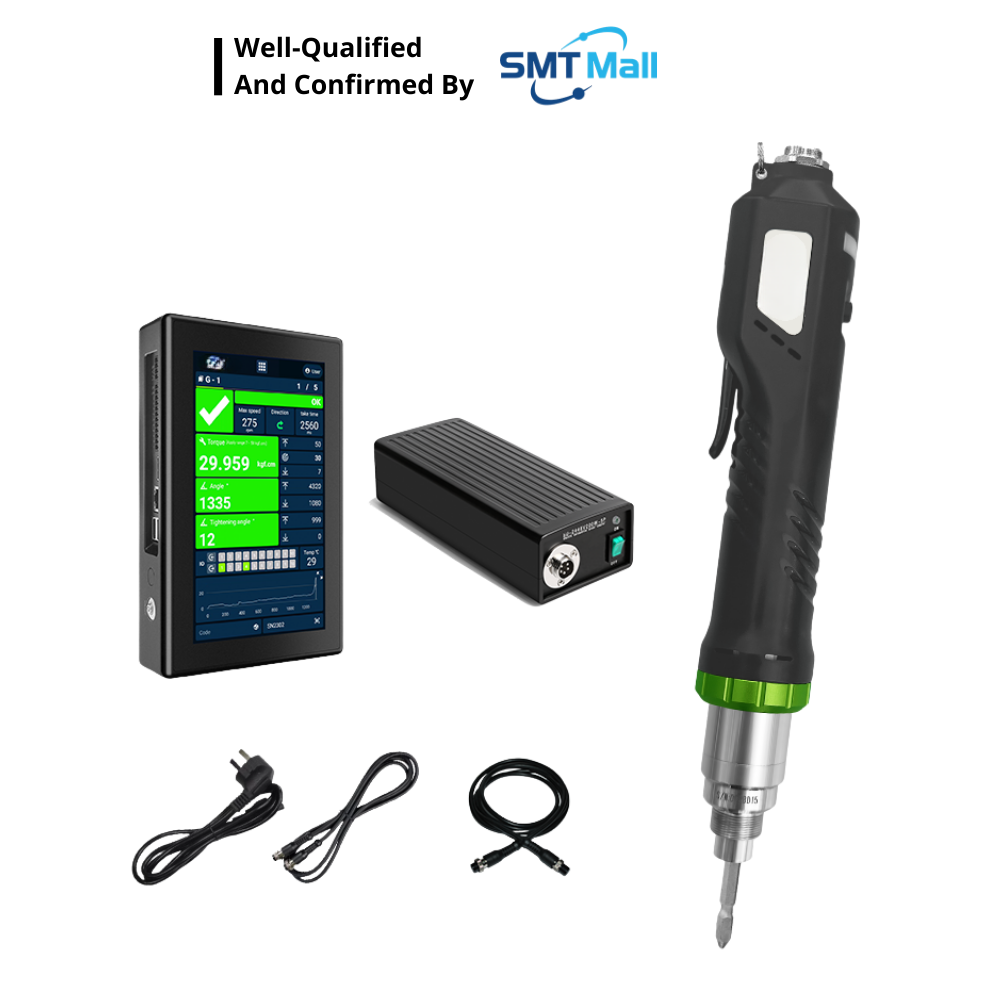
- Fastening data recording: torque, angle, timestamp, operator ID
- Connectivity via Wi-Fi, RS232, or MES integration
Advanced systems can transmit fastening data directly to production networks, allowing managers to monitor performance, detect anomalies, and adjust torque parameters remotely.

3. Why Torque Control Matters
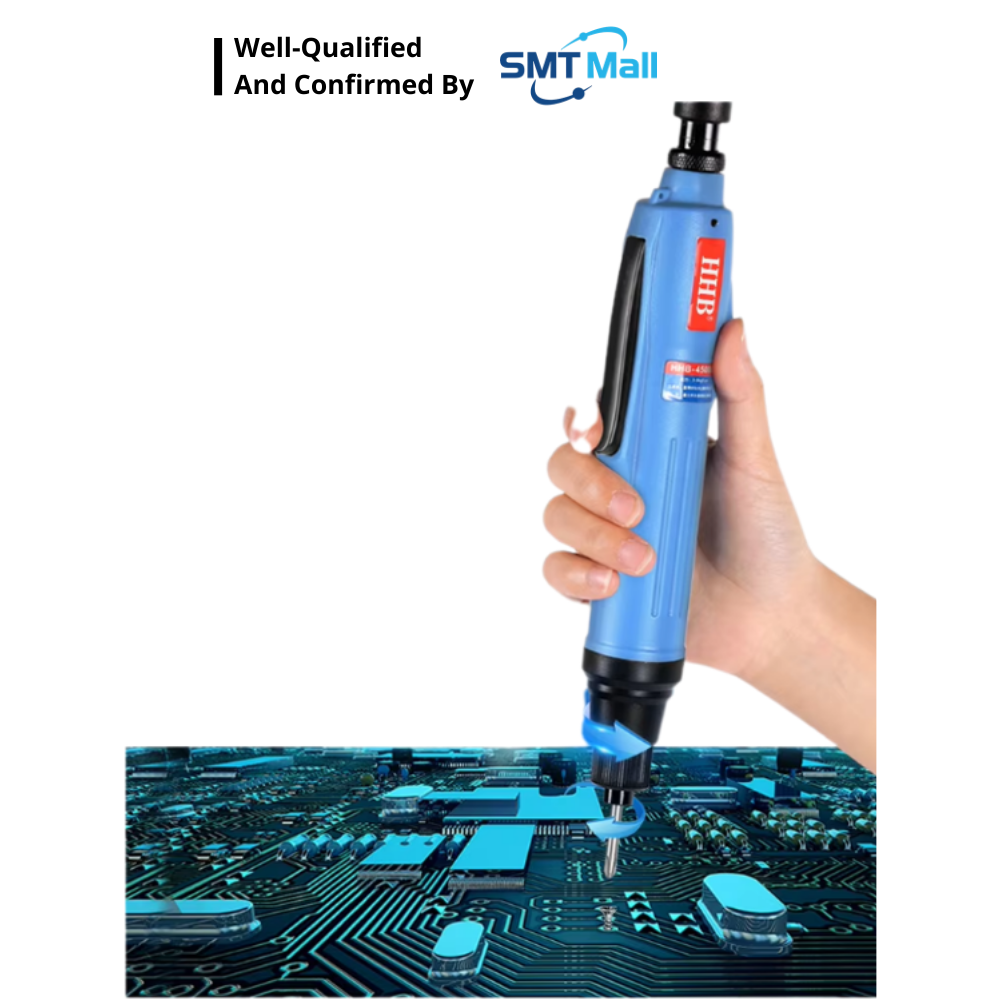
Torque directly influences joint strength, durability, and safety. In electronics, overtightening may crack a PCB or damage threads, while undertightening can cause intermittent failures.
- Prevents PCB damage and stripped threads
- Ensures long-term fastening stability
- Supports quick torque profile switching during changeovers
4. Applications Across Industries
- Electronics: Fastening circuit boards and enclosures
- Automotive: Safety-critical components with strict torque requirements
- Aerospace: Precision fastening with full traceability
- Medical Devices: Controlled, repeatable sterile assembly
5. The Future of Assembly Efficiency
As Industry 4.0 expands, smart screwdrivers will form a key part of connected production. By combining mechanical reliability with digital intelligence, manufacturers move closer to zero-defect, data-driven manufacturing.
Smart screwdrivers are more than tools — they are bridges between human skill and industrial automation. By integrating torque control, traceability, and network connectivity, production lines become smarter, safer, and more efficient.
Upgrade to Smart Fastening →Recommended Bonding Valves
PVA offers a variety of valves ideal for your bonding application.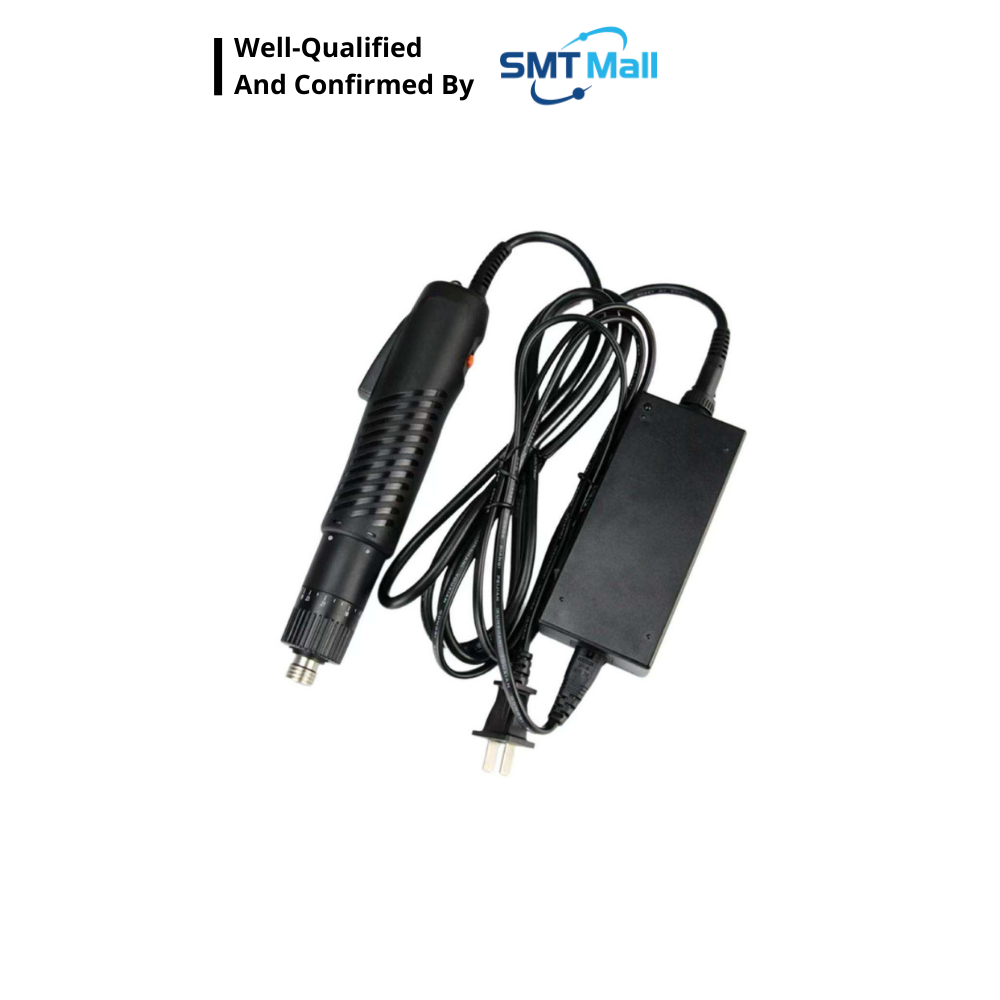
Assembling solutions
$ 167.86
Assembling solutions
$ 5,600.00
Assembling solutions
$ 3,500.00
Assembling solutions
$ 153.00
Assembling solutions
$ 1,260.00