
Assembling solutions
Desktop Screwdriving Machines – Compact Automation for Smarter Manufacturing
1. What Is a Desktop Screwdriving Machine?
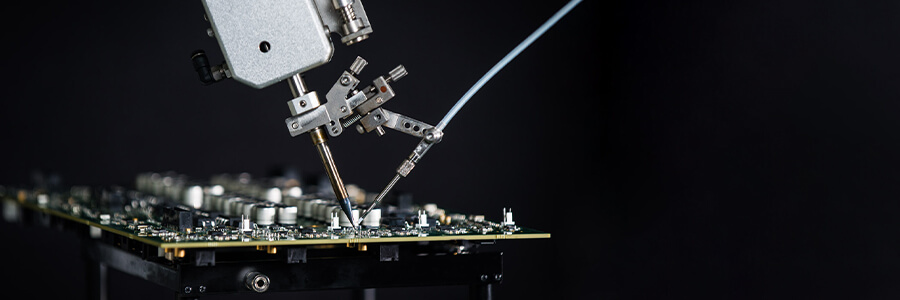
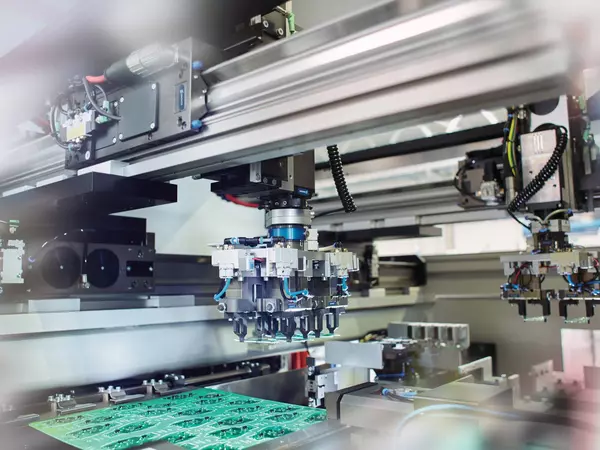
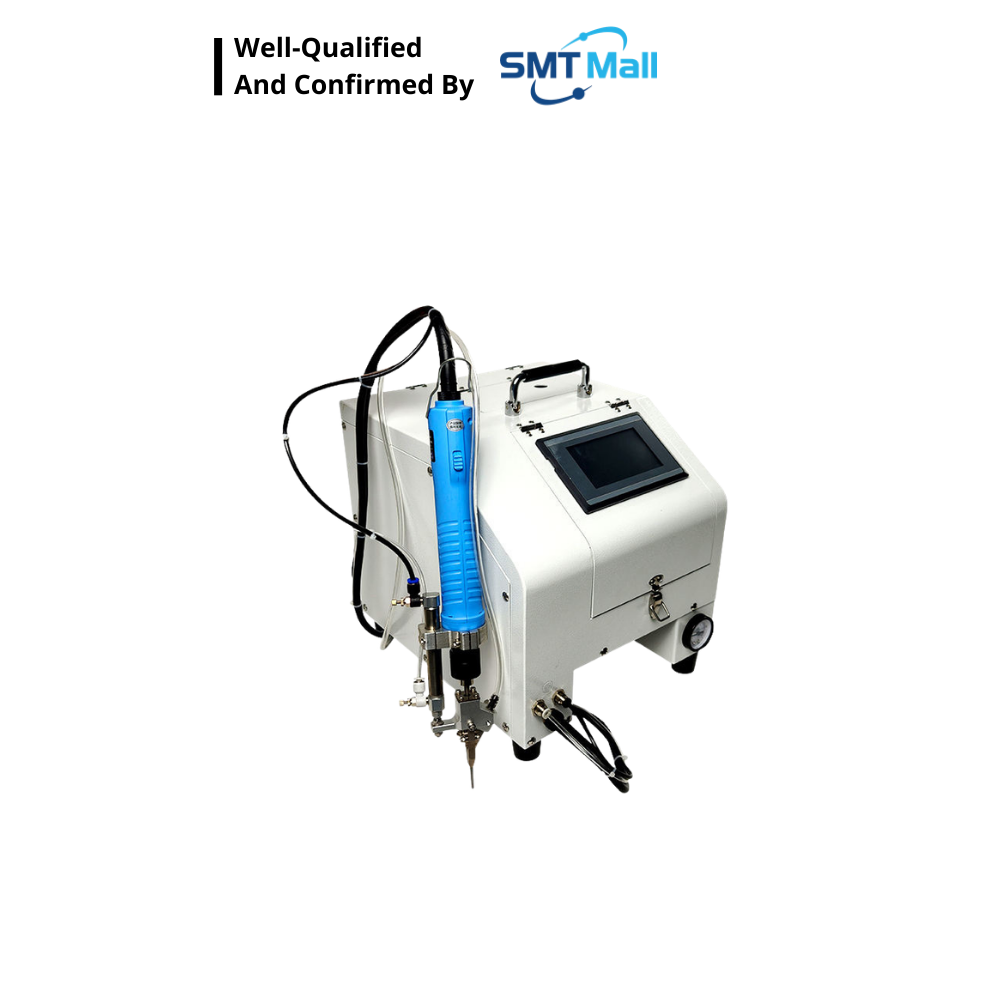
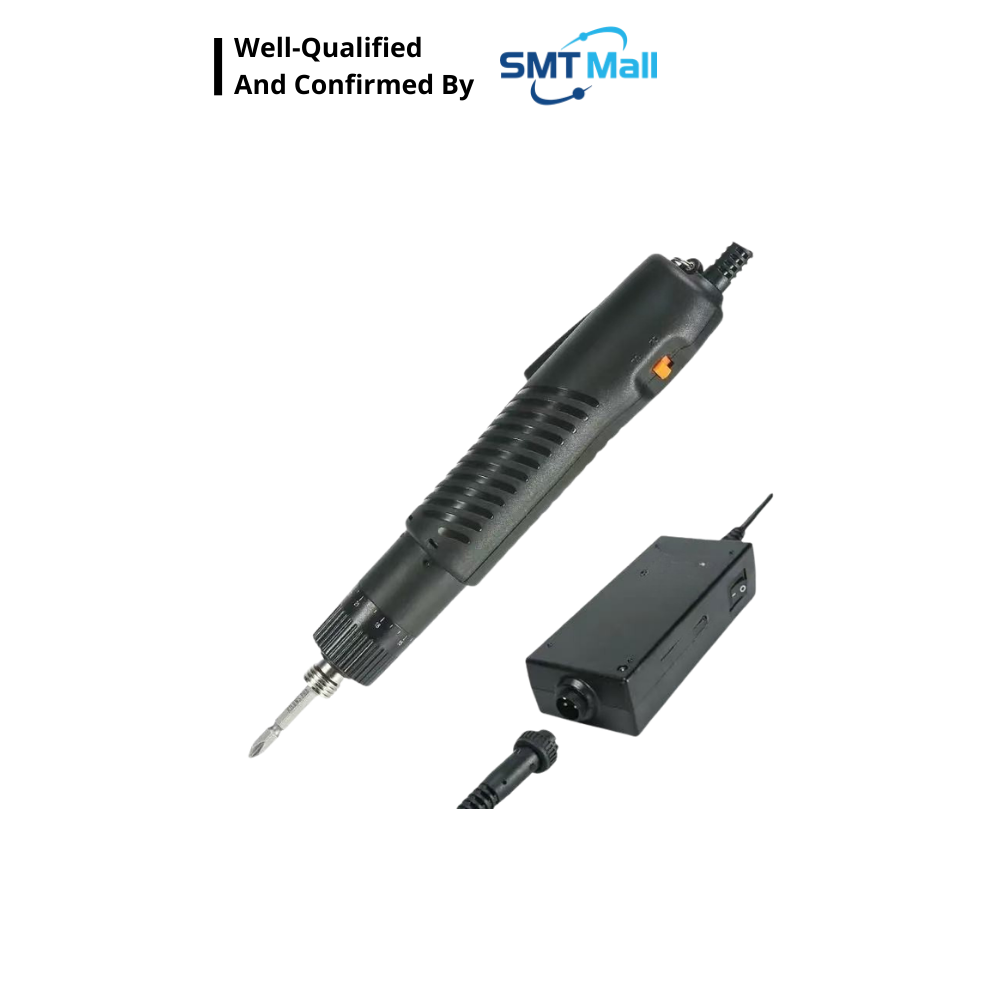
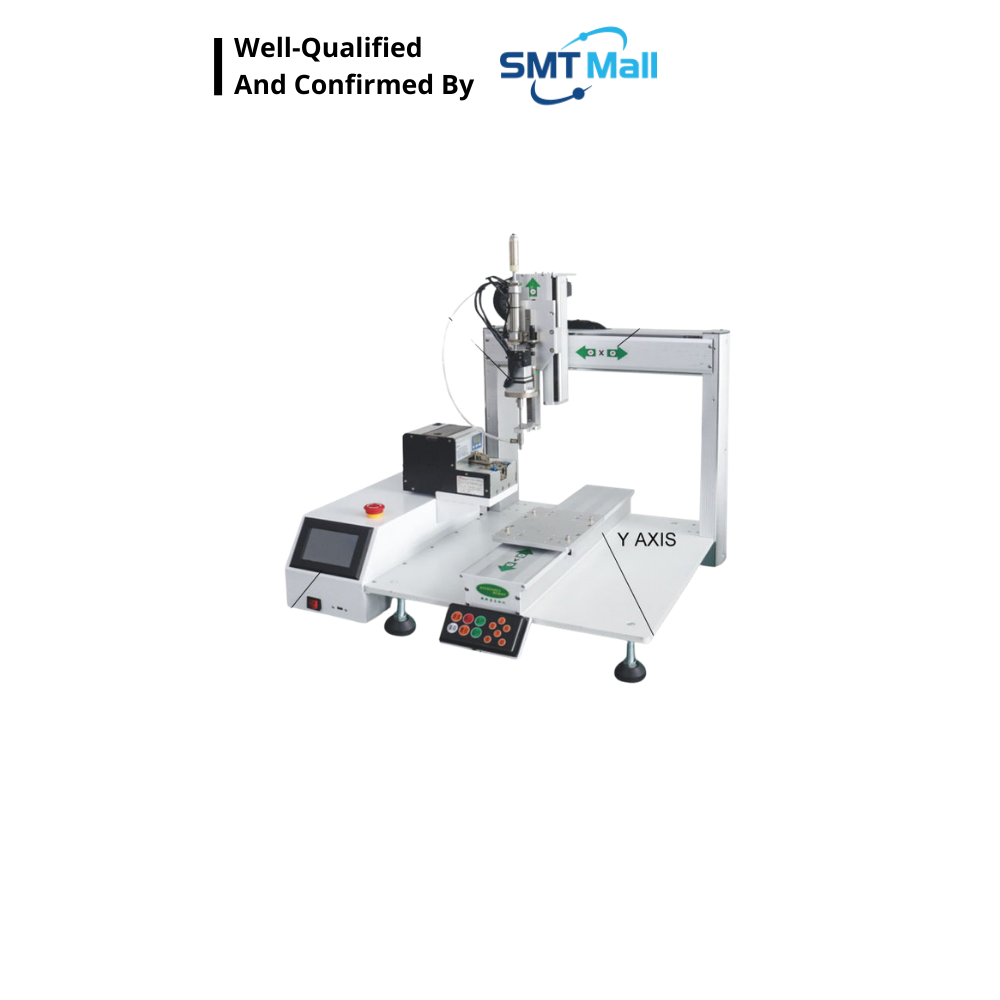
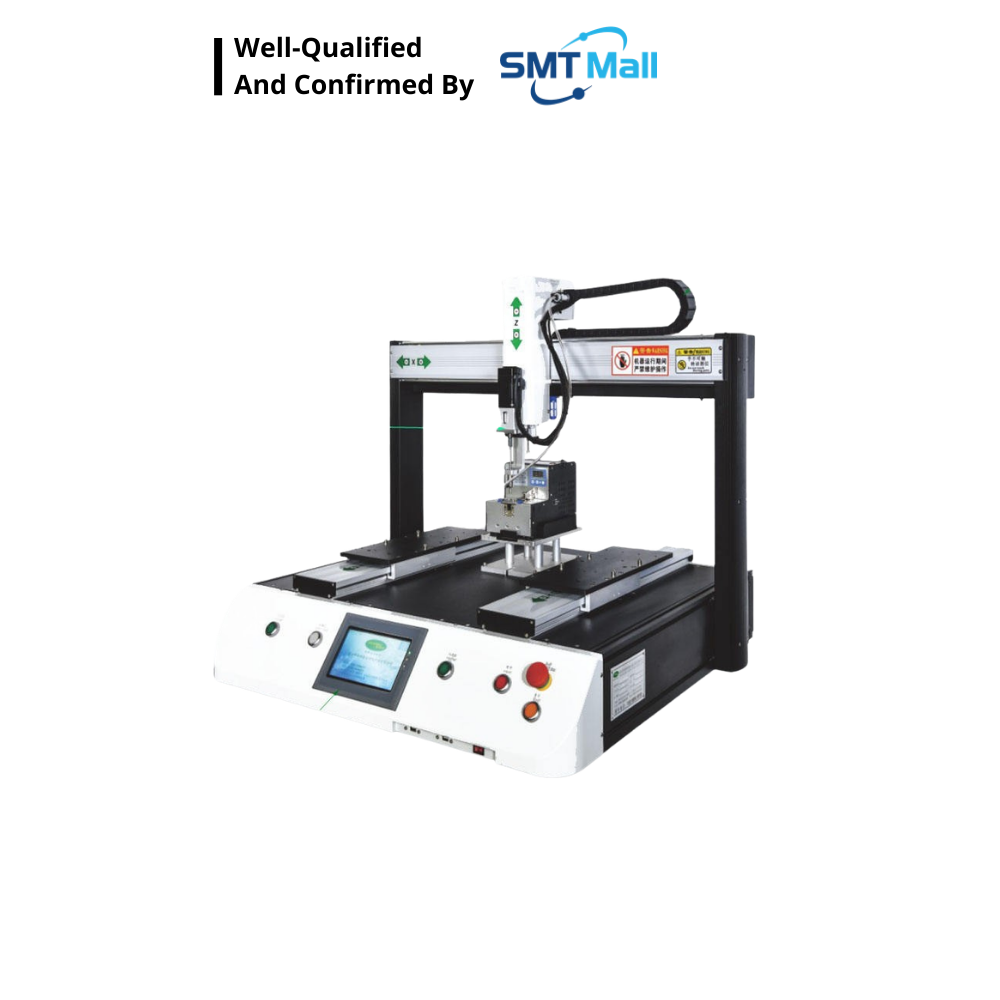
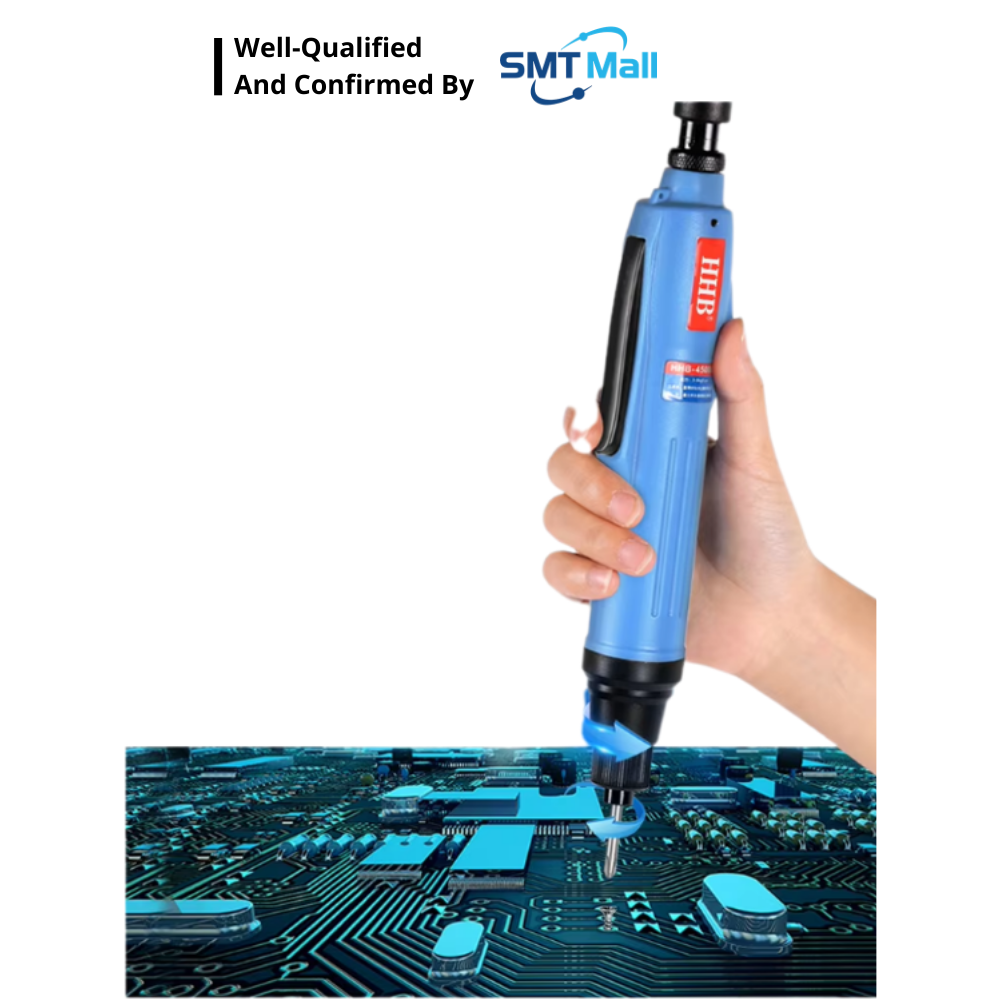
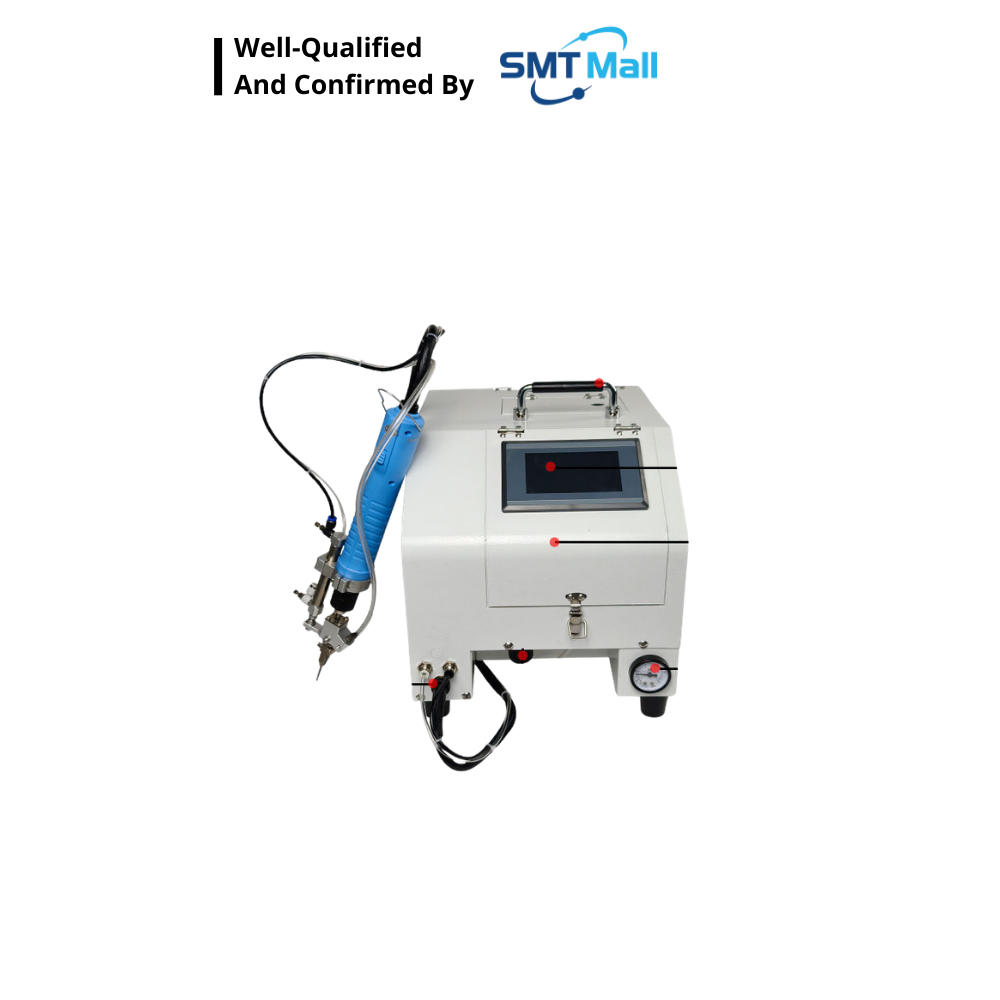
A desktop screwdriving machine is a programmable fastening system that combines XYZ motion control, automatic screw feeding, and torque programming. Compact enough to sit on a table, these systems deliver high-speed, high-accuracy fastening across multiple products or assemblies.
Operators can program screw coordinates, torque values, and fastening sequences through an intuitive interface. Once set up, the machine performs consistent, repeatable screwdriving with minimal supervision.
2. Key Features & Benefits
- Precision Control: Identical torque and angle for every screw.
- High Repeatability: Accurate XYZ positioning ensures exact coordinates.
- Time Efficiency: Automated feeding reduces cycle time by up to 60%.
- Operator-Free Mode: One operator can oversee multiple units.
- Flexible Setup: Quick reprogramming for new products or layouts.
3. Applications Across Industries
- Electronics: Fastening screws on PCBs, displays, enclosures.
- LED & Lighting: Mounting modules with consistent torque.
- Automotive Components: Precision fastening for sensors and small parts.
- Consumer Devices: Assembly of control panels, toys, wearables.
4. Desktop vs. Manual Assembly
- Higher consistency and fastening traceability
- Lower labor dependency
- Increased throughput per shift
- Reduced defects from human error
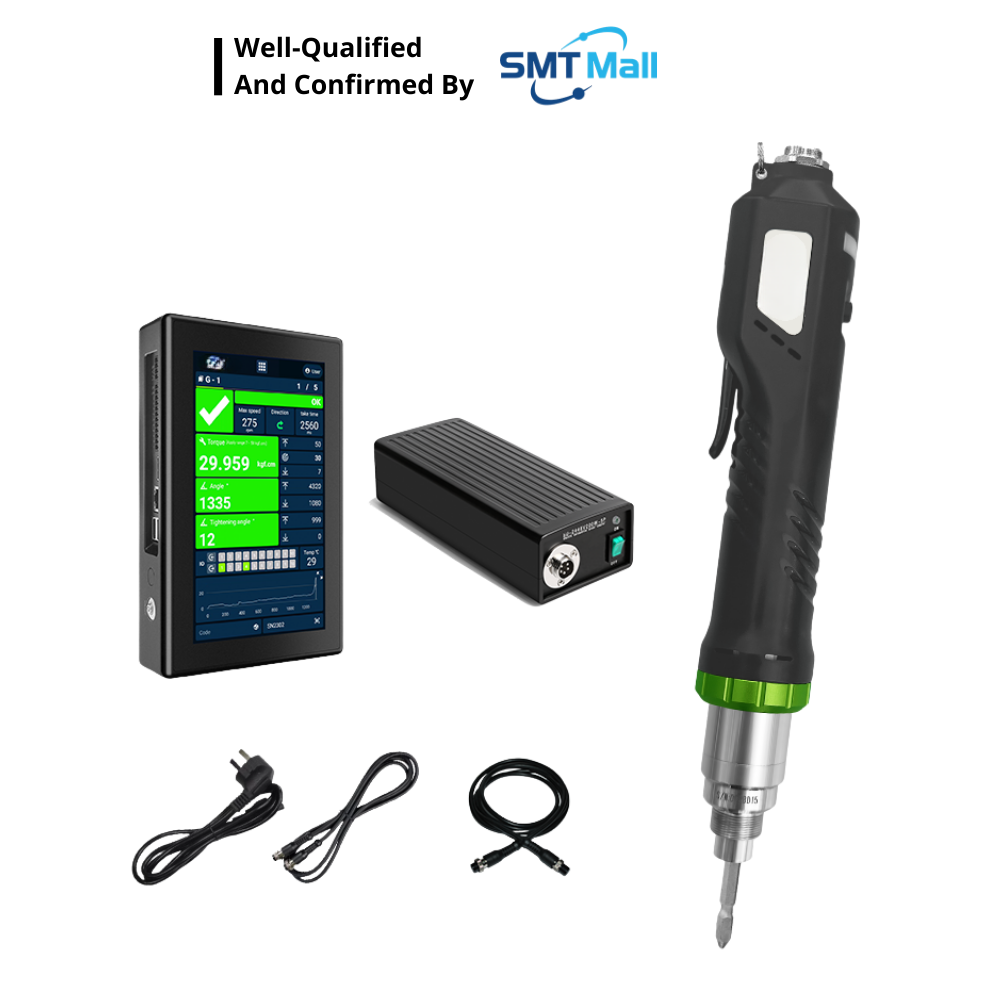
With integrated vision systems and torque feedback, modern desktop units can self-detect and correct fastening errors in real time — a capability once limited to industrial robotic systems.
5. A Bridge to Full Automation
Desktop screwdriving machines serve as an ideal entry point for manufacturers transitioning toward smart factory environments. They require minimal space, integrate easily with conveyors or pick-and-place systems, and deliver measurable ROI through faster cycles and reduced rework.
Desktop screwdriving systems offer the perfect balance between precision, flexibility, and affordability. By automating repetitive fastening tasks, manufacturers can modernize production lines without the complexity of full-scale robotic automation.
Explore Screwdriving Automation Solutions →Recommended Bonding Valves
PVA offers a variety of valves ideal for your bonding application.
Assembling solutions
$ 167.86
Assembling solutions
$ 5,600.00
Assembling solutions
$ 3,500.00
Assembling solutions
$ 153.00
Assembling solutions
$ 1,260.00