


Soldering materials
What Are Soldering Materials in Electronics Manufacturing?
Common Types of Soldering Materials
a. Solder Wire
Solder wire is widely used for manual soldering and rework applications. It is typically composed of tin (Sn) alloys combined with lead (Pb), silver (Ag), or copper (Cu).
- Lead-free alloys such as Sn96.5Ag3.0Cu0.5 comply with RoHS regulations.
- Consistent melting point and strong wettability.
- Low flux spatter and smooth joint formation.
b. Solder Paste
A critical material in SMT assembly, solder paste consists of solder powder blended with flux. It is stencil-printed onto PCB pads prior to component placement and reflow soldering.
- Key parameters: viscosity, metal content, and stencil life.
- Specialized formulas for fine-pitch and high-reliability applications.
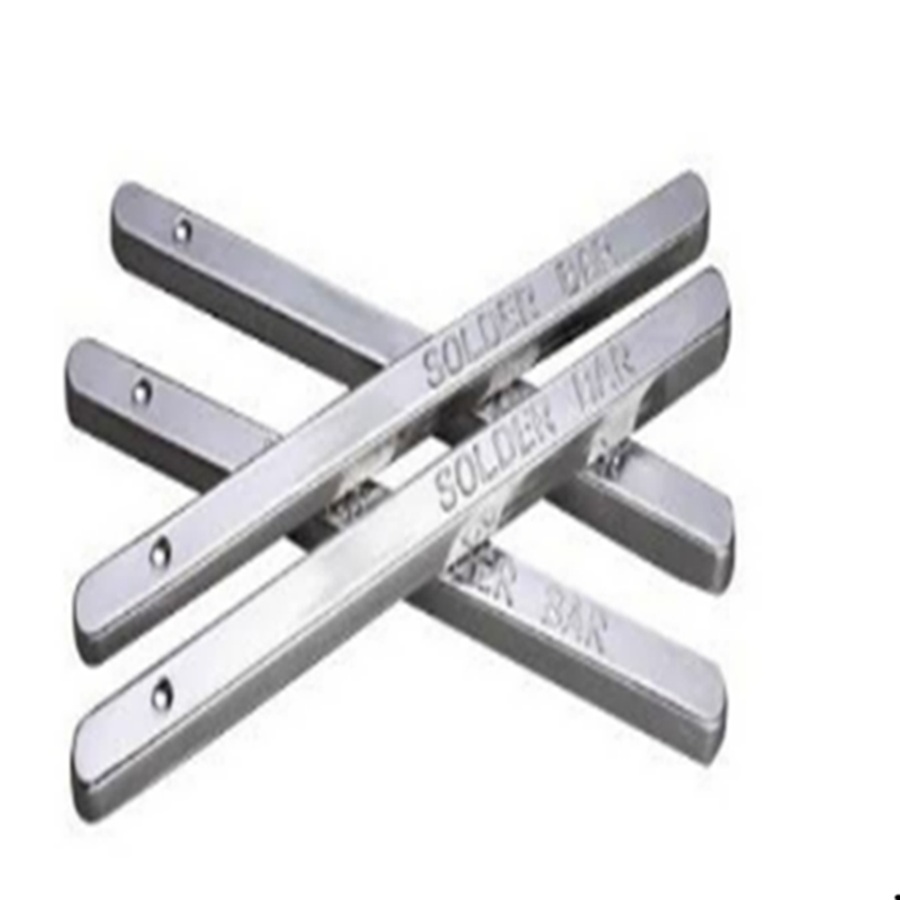
c. Solder Bar (Ingot)
Used in wave and selective soldering systems, solder bars maintain a stable solder bath and consistent flow characteristics.
- Common alloys: Sn63Pb37 and lead-free Sn99.3Cu0.7.
- Low dross formation and high purity improve efficiency.
d. Flux
Flux removes oxides from metal surfaces and promotes proper solder wetting.
- Types: Rosin-based, water-soluble, and no-clean.
- Supports shiny, void-free solder joints with minimal residue.
Factors to Consider When Selecting Materials
- Alloy Composition: Match melting point and strength to process requirements.
- Process Compatibility: Ensure reflow profile and wave soldering suitability.
- Flux Activity & Cleanliness: Choose no-clean or water-soluble based on cleaning process.
- Regulatory Compliance: Confirm RoHS, REACH, and halogen-free standards.
- Storage & Handling: Store solder paste at 0–10°C and protect materials from oxidation.
Best Practices for Reliable Performance
- Use nitrogen atmosphere during reflow to reduce oxidation.
- Control temperature profiles to prevent bridging or tombstoning.
- Monitor solder bath contamination regularly.
- Train operators on proper soldering and cleaning techniques.
- Partner with qualified suppliers for batch traceability and technical support.
High-quality soldering materials directly influence solder joint integrity, production yield, and long-term reliability. By selecting the right alloys, flux systems, and process parameters, manufacturers can ensure stable and compliant electronics production in today’s demanding markets.
Explore Professional Soldering Solutions →