
News
Top Most Popular Soldering Machines in Electronics Manufacturing 2026
In the era of smart devices and miniaturization, the requirements for solder joint integrity have become more stringent than ever. A modern soldering machine is no longer just a physical connector; it is a critical link determining the reliability of the entire system. From traditional systems to AI-integrated auto soldering machines, understanding the pros and cons of each technology is the key to optimizing the production process and maximizing yield rates.
This article updates the leading soldering technologies dominating the 2026 market share, providing a reliable reference for engineers planning factory upgrades.
- Wave Soldering Machine: The Gold Standard for Through-Hole Technology (THT)
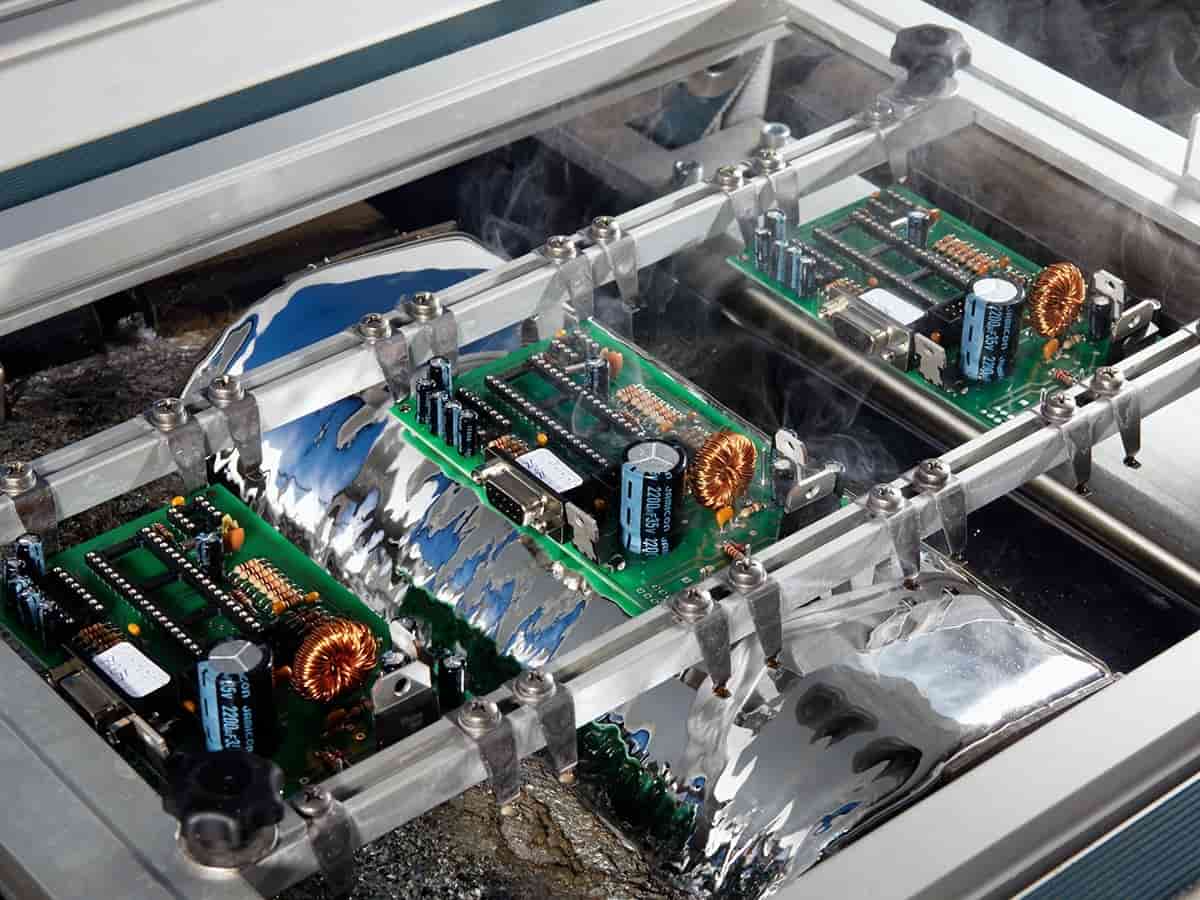
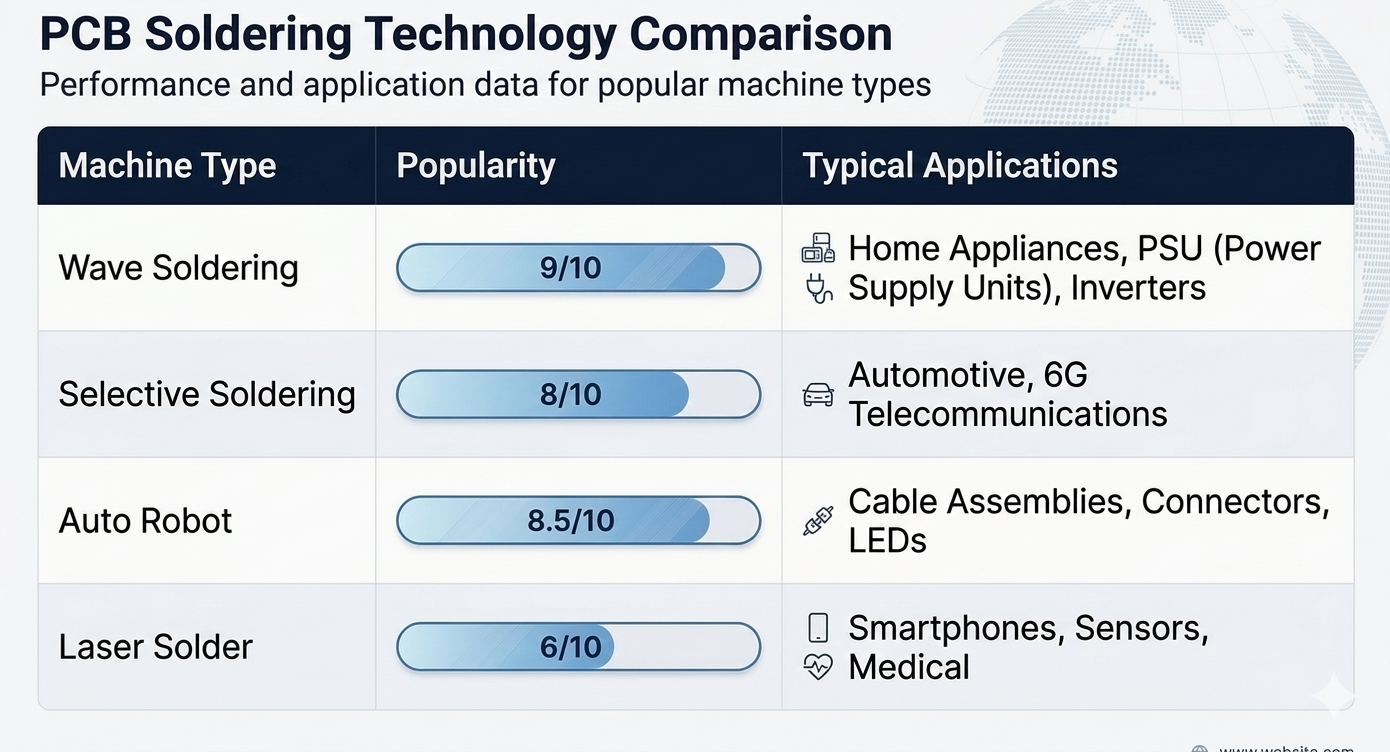
Despite the dominance of Surface Mount Technology (SMT), wave soldering remains the most prevalent machine in factories producing industrial electronics, home appliances, and Power Supply Units.
Technical Advantages:
- High-Volume Throughput: Capability to solder the entire underside of a PCB in a single pass over the solder wave, making it extremely efficient for mass production.
- High Stability: Mature technology that is easy to maintain and operates with low overhead costs.
Technical Disadvantages:
- Design Limitations: Struggling with fine-pitch components due to high risks of solder bridging.
- Energy Consumption: Maintaining a molten solder pot 24/7 results in significant power wastage.
- Soldering Machine Automatic (Selective Soldering): The Inevitable SMT Evolution
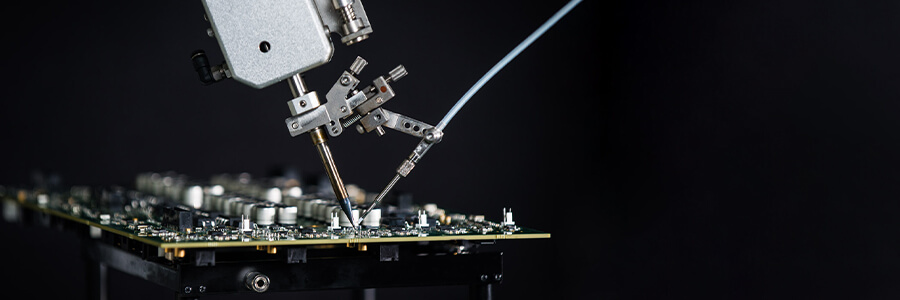
As PCBs grow in complexity with a mix of SMT and THT components, the soldering machine automatic—specifically Selective Soldering—is rapidly replacing traditional wave soldering at Tier 1 facilities.
Technical Advantages:
- Fixtureless Process: Heat is applied only to specific solder joints, eliminating the risk of thermal damage to surrounding SMT components.
- 6-Sigma Solder Quality: Integrated Nitrogen (N2) environments and precise XYZ coordinate control result in shiny, dross-free solder joints.
Technical Disadvantages:
- Lower Throughput: Since it solders by clusters or individual points, the cycle time is longer compared to wave soldering.
- High Initial Investment: Systems from top-tier brands like Ersa or Nordson SELECT involve significant CAPEX.
- Auto Soldering Machine (Soldering Robot): Flexibility and Economy
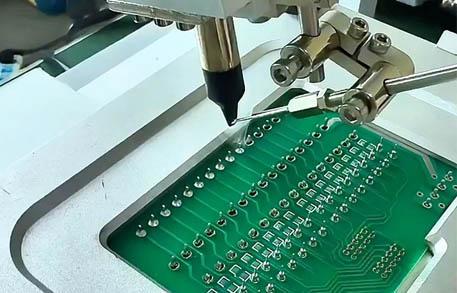
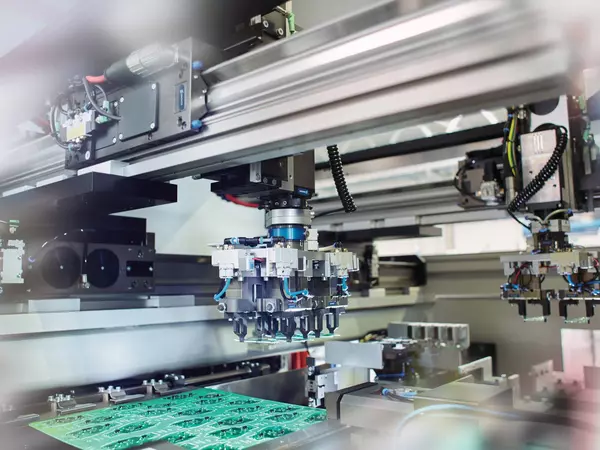
For wire soldering, connectors, or difficult solder points on product housings, the auto soldering machine (3-axis/4-axis robots) is the preferred choice due to its excellent flexibility.
Technical Advantages:
- Total Human Replacement: Eliminates defects caused by operator fatigue or inconsistent skill levels.
- Rapid Changeover: Switching to a new model takes only minutes by simply updating the soldering program.
Technical Disadvantages:
- Tip Wear: Requires automatic tip cleaning and replacement systems to maintain consistent thermal transfer.
- Thermal Limitations: Not suitable for components with high thermal mass or large heat sinks.
- Laser Solder Machine: The “Weapon” for High-Precision Products
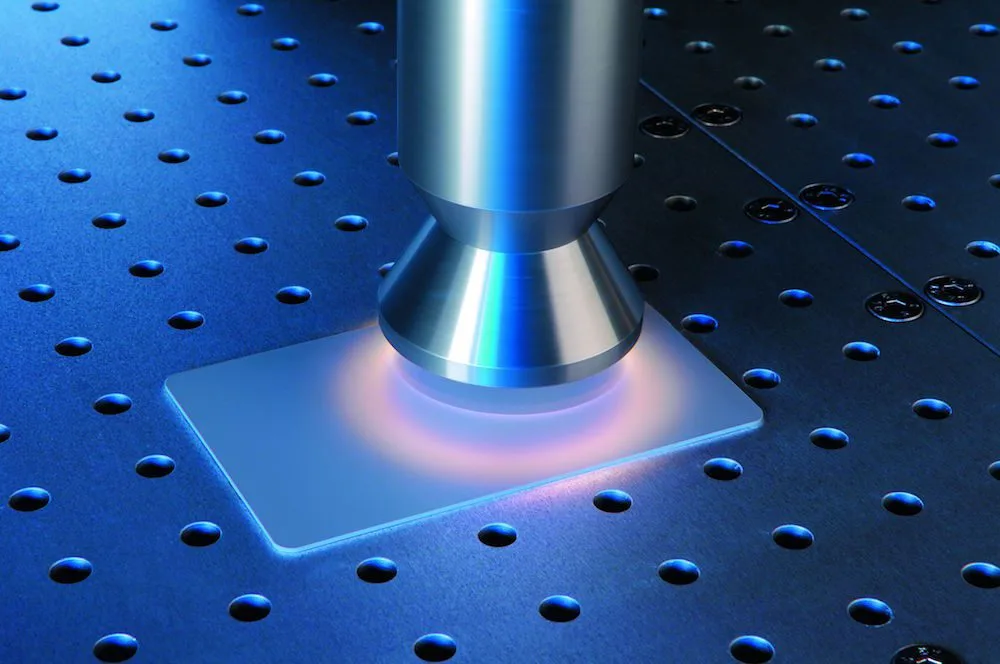
2026 marks a boom in laser solder machine applications for Smartphones, Electric Vehicle (EV) components, and sensitive medical devices.
Technical Advantages:
- Ultrafast Localized Heating: Heating times are measured in milliseconds, resulting in a near-zero Heat Affected Zone (HAZ).
- Non-Contact Process: Perfect for ultra-small components like 01005 or fragile sensors.
Technical Disadvantages:
- High Technical Barrier: Requires deep knowledge of laser wavelengths and material properties to establish an optimal thermal profile.
- Safety Compliance: Demands strict radiation safety standards and specialized enclosures for the work
Explore more: The most modern automatic soldering machines at JIT.
- Summary Table: Top Soldering Machines in 2026
- Engineering Advice for Equipment Selection
Selecting a soldering machine goes beyond looking at a datasheet. To ensure long-term reliability, focus on:
- Cpk (Process Capability Index): Ensure the machine maintains repeatable accuracy under continuous production conditions.
- Connectivity (Industry 4.0): Machines must have data interfaces to integrate with the Manufacturing Execution System (MES) for full traceability.
- Local Technical Support: For high-end systems like laser solder machines, rapid maintenance service is the decisive factor in avoiding costly downtime.
——————————————-
The soldering machine market in 2026 reflects a clear trend: high automation, process personalization, and intelligent control integration. Depending on your product mix and budget, combining wave soldering for base boards and laser solder machines for sophisticated modules will be the optimal strategy to enhance your competitive edge.