
Product Categories
Cleaning solutions
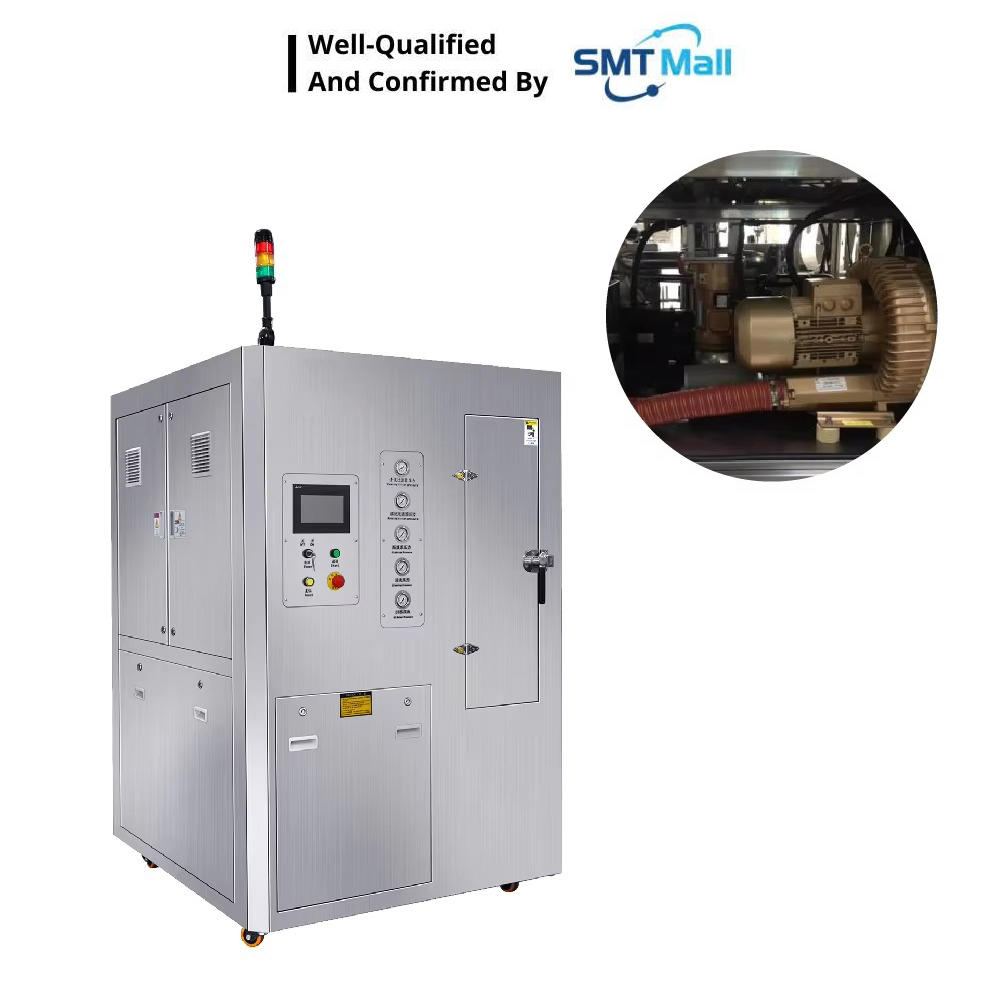
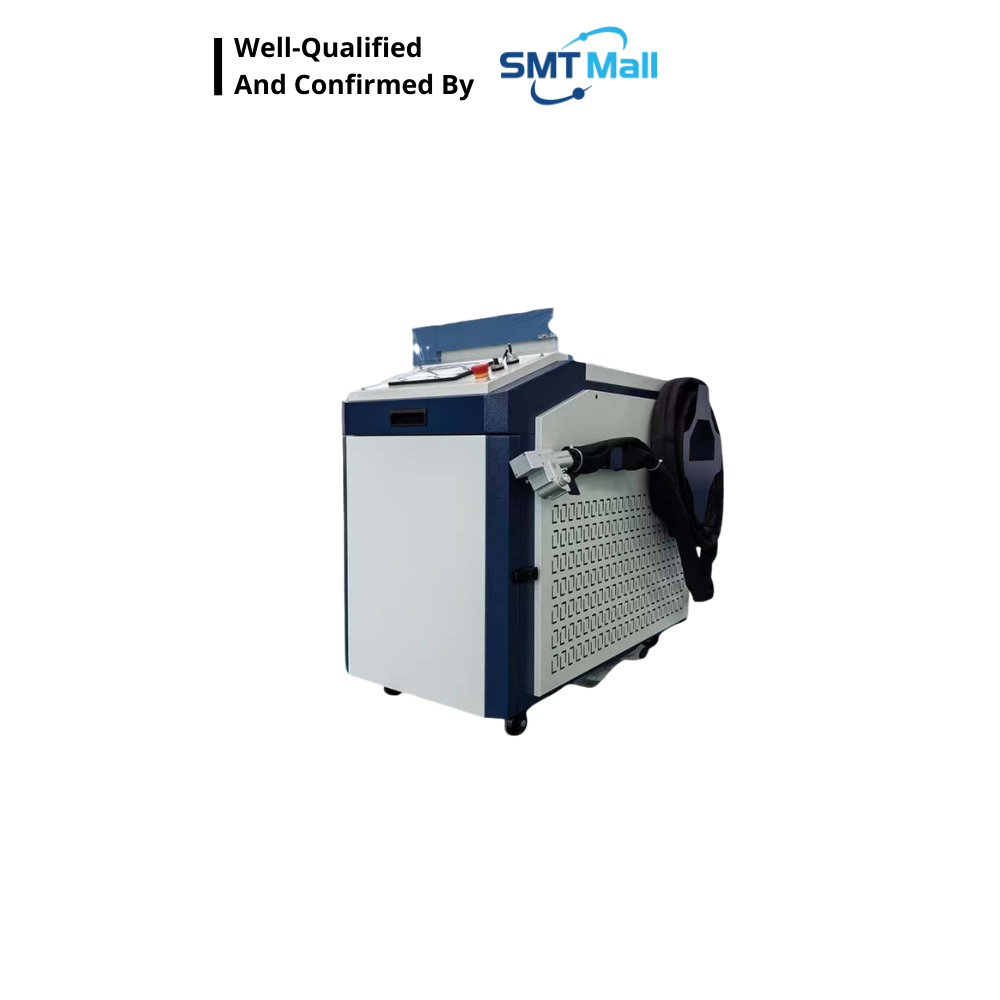
We offer comprehensive Cleaning Solutions, including: CO2 cleaning, Stencil cleaning, Ultrasonic cleaning, and Laser cleaning
What Is Dry Ice CO2 Cleaning?
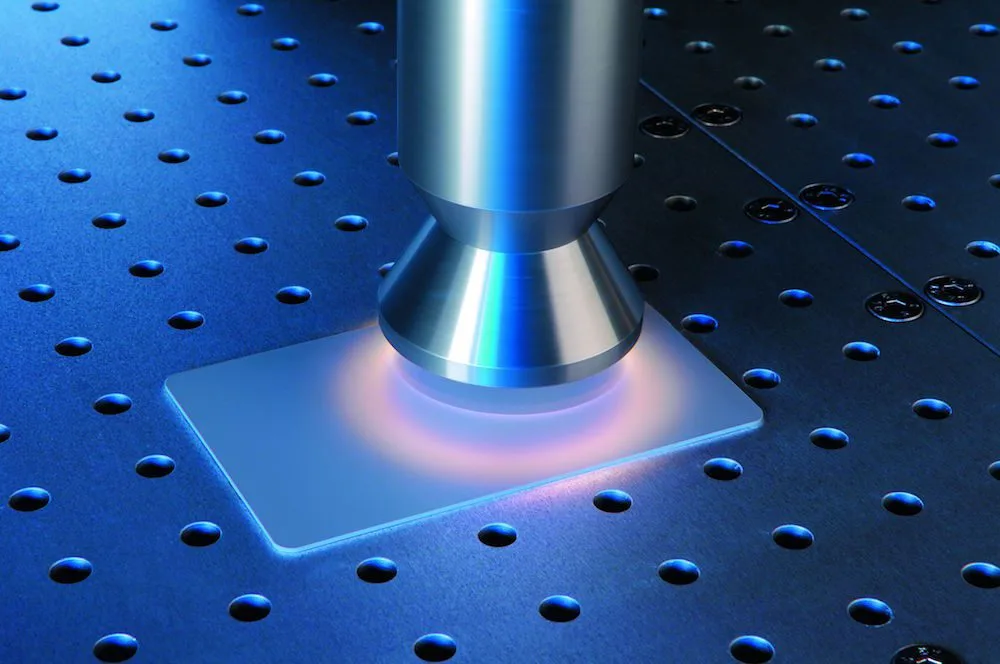
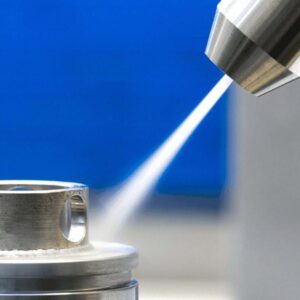
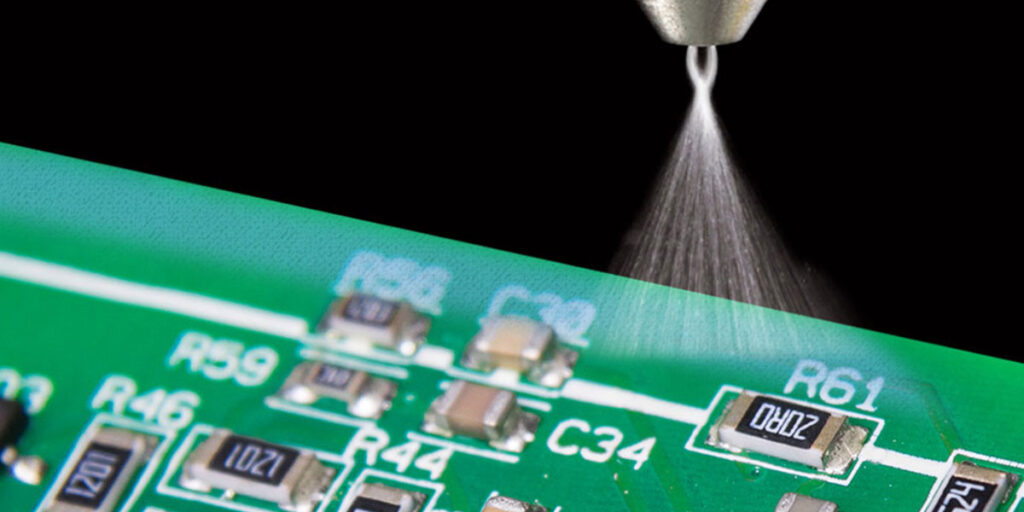
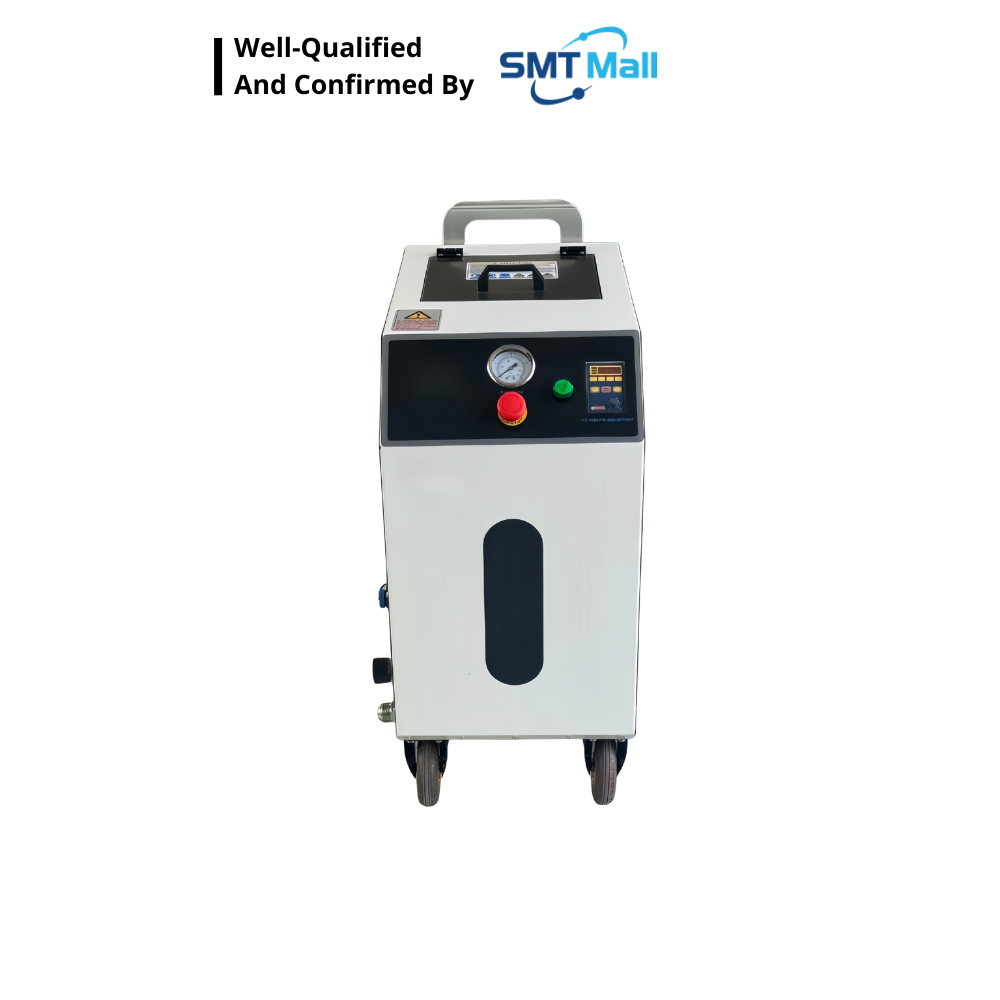
Dry Ice Cleaning, also known as CO₂ cleaning or dry ice blasting, is an advanced surface cleaning method that uses compressed air to accelerate dry ice pellets (solid carbon dioxide) onto a surface.
Upon impact, the dry ice instantly sublimates — turning from solid into gas — removing contaminants without leaving any residue or secondary waste.
This non-abrasive, non-conductive, and environmentally friendly process is widely used in electronics, semiconductor, automotive, and medical manufacturing to clean sensitive components and production equipment.
How Dry Ice Cleaning Works
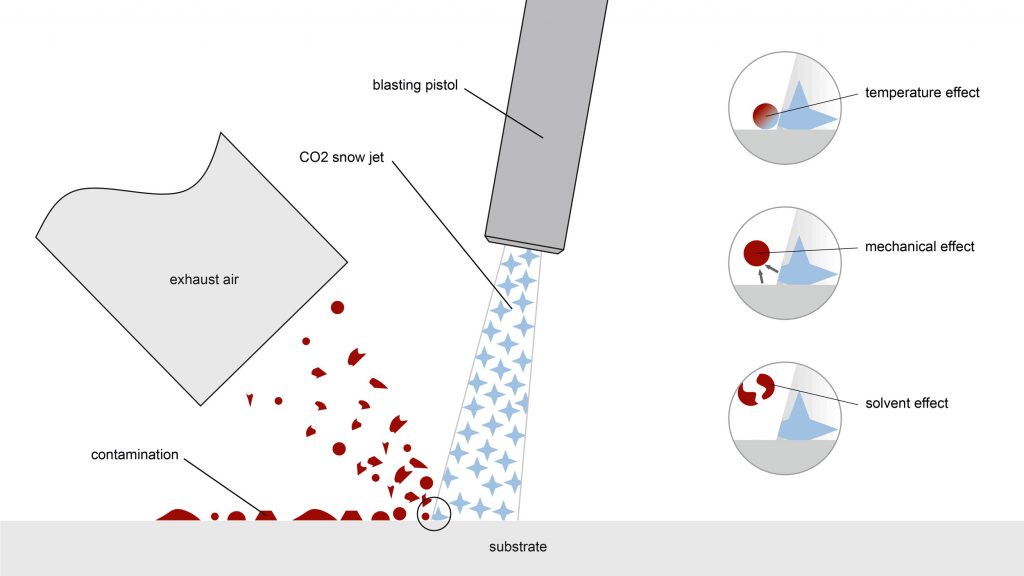
Dry ice cleaning operates based on three physical principles:
- Kinetic Energy:
Compressed air propels dry ice pellets at high velocity, breaking the bond between contaminants and the substrate. - Thermal Shock:
The sudden temperature difference (–78.5°C) makes dirt, oil, and residues contract and crack, loosening their adhesion to the surface. - Sublimation Effect:
When dry ice hits the surface, it vaporizes instantly, expanding nearly 800 times in volume.
This rapid expansion “lifts off” contaminants without damaging the substrate.
Unlike sandblasting or chemical cleaning, no abrasive particles or solvents are used — leaving the treated surface completely dry and residue-free.
Benefits of Dry Ice Cleaning
- Non-abrasive & Safe: Cleans without scratching delicate surfaces such as metal, PCB, glass, or plastic.
- Eco-Friendly: No chemicals, water, or secondary waste; reduces environmental footprint.
- Minimal Downtime: No need to disassemble equipment for cleaning — ideal for inline or in-situ maintenance.
- Effective on Complex Surfaces: Reaches small cavities, corners, and uneven geometries that traditional cleaning can’t.
- Static-Free Cleaning: Perfect for electronic or semiconductor components where electrostatic discharge must be avoided.
Key Factors to Consider When Choosing a Dry Ice Cleaning System
When selecting the right dry ice system for your production line, consider these essential factors:
1. Application & Contaminant Type
Select a system suitable for the level of contamination — fine cleaning for precision components, or heavy-duty blasting for molds and machinery.
2. Dry Ice Type & Flow Control
Pellet size (1.5–3 mm) and CO₂ flow rate directly impact cleaning intensity.
Machines with adjustable flow and air pressure offer greater flexibility.
3. Surface Sensitivity
For delicate materials like PCBs or optics, choose low-pressure systems or microjet cleaning models that minimize impact energy.
4. Automation & Integration
Modern dry ice cleaning machines can be manual, semi-automatic, or robotic inline systems, depending on production scale.
5. Operating Cost & Maintenance
Check for:
- CO₂ consumption rate (kg/min)
- Air pressure requirement (bar)
- Energy efficiency and noise level
Recommended PCB Cleaning Machines
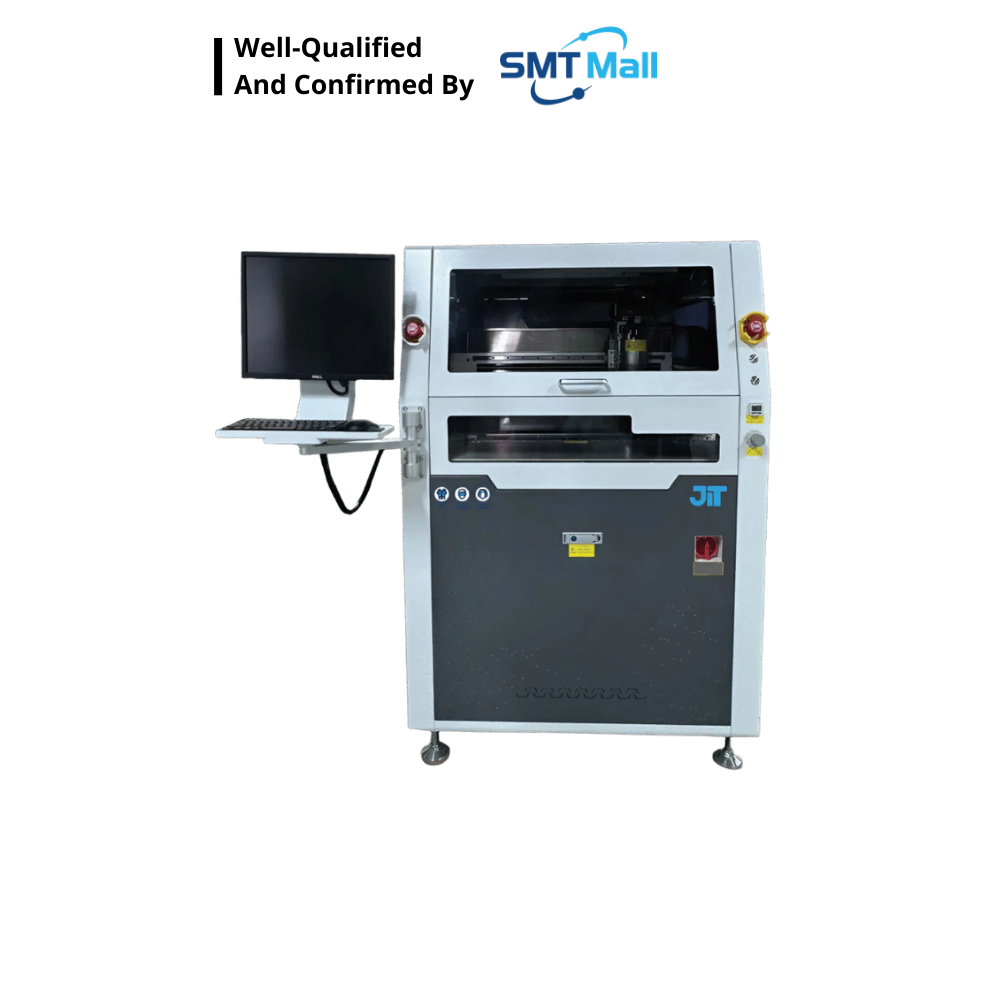
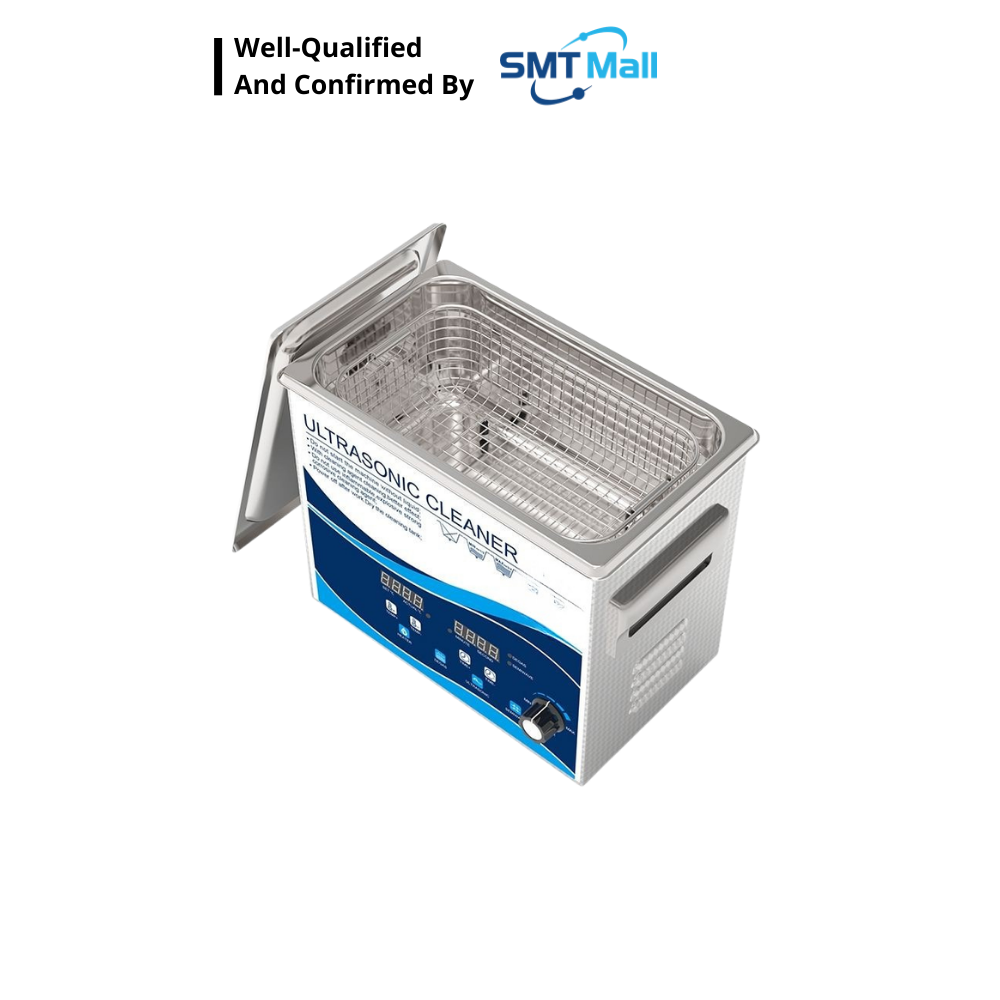
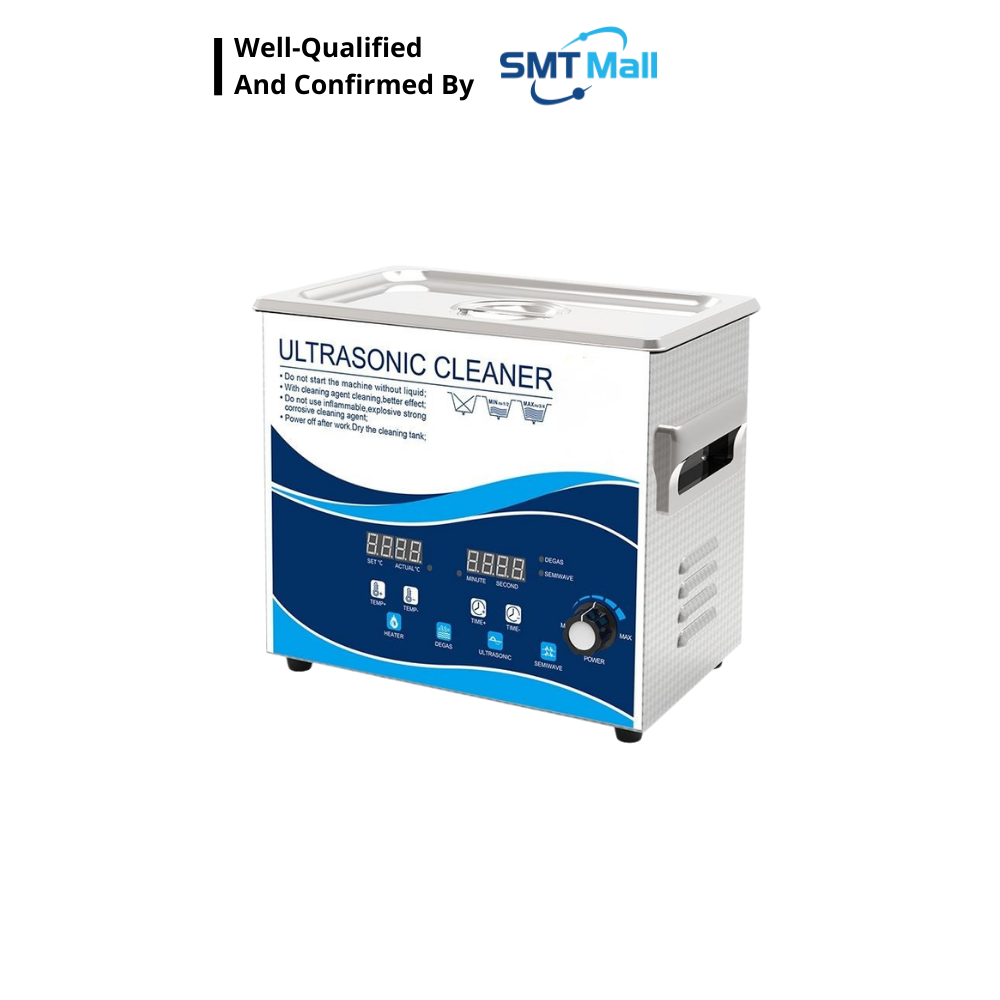
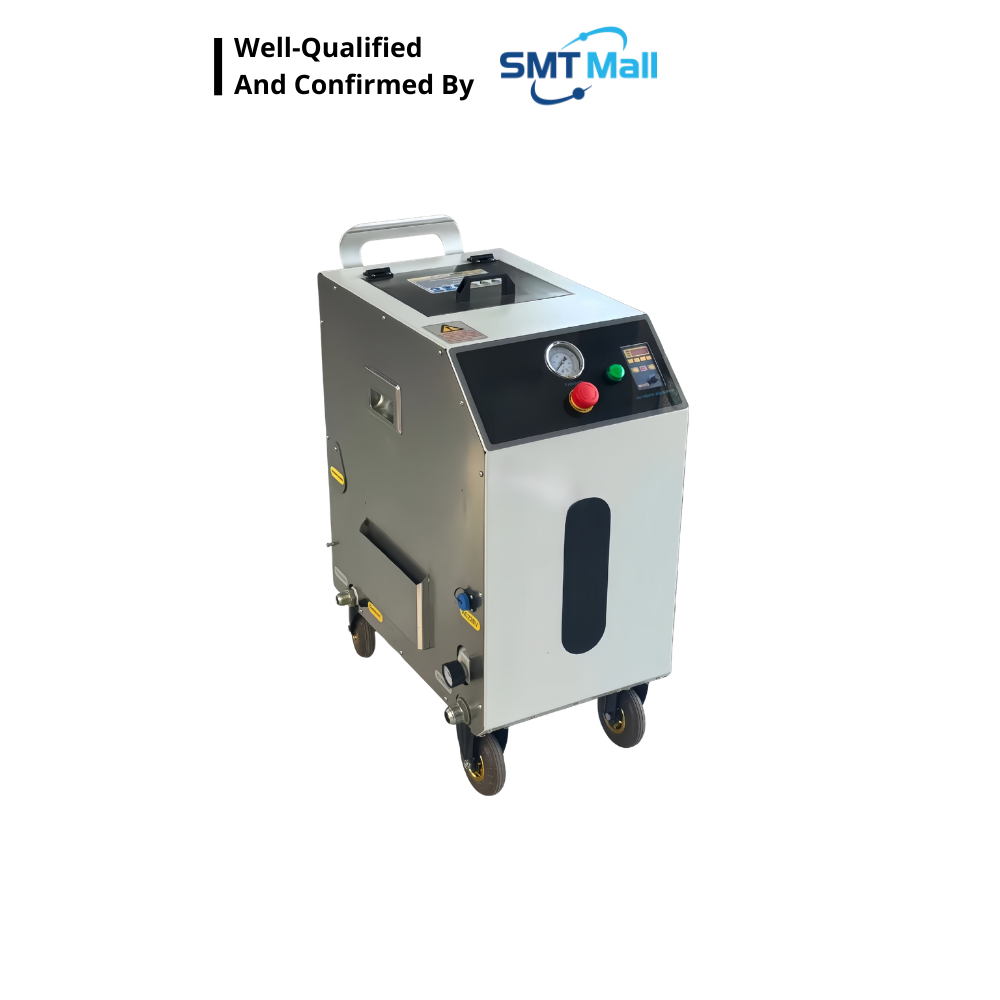
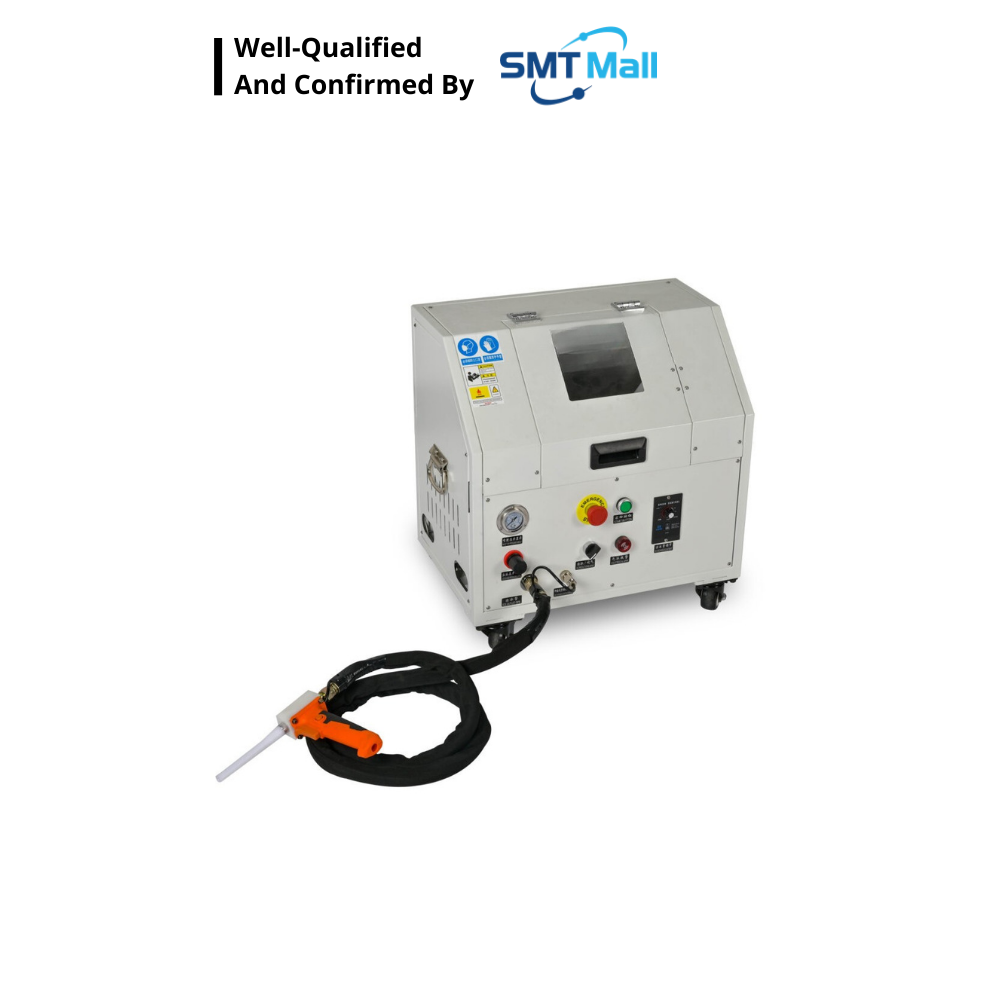
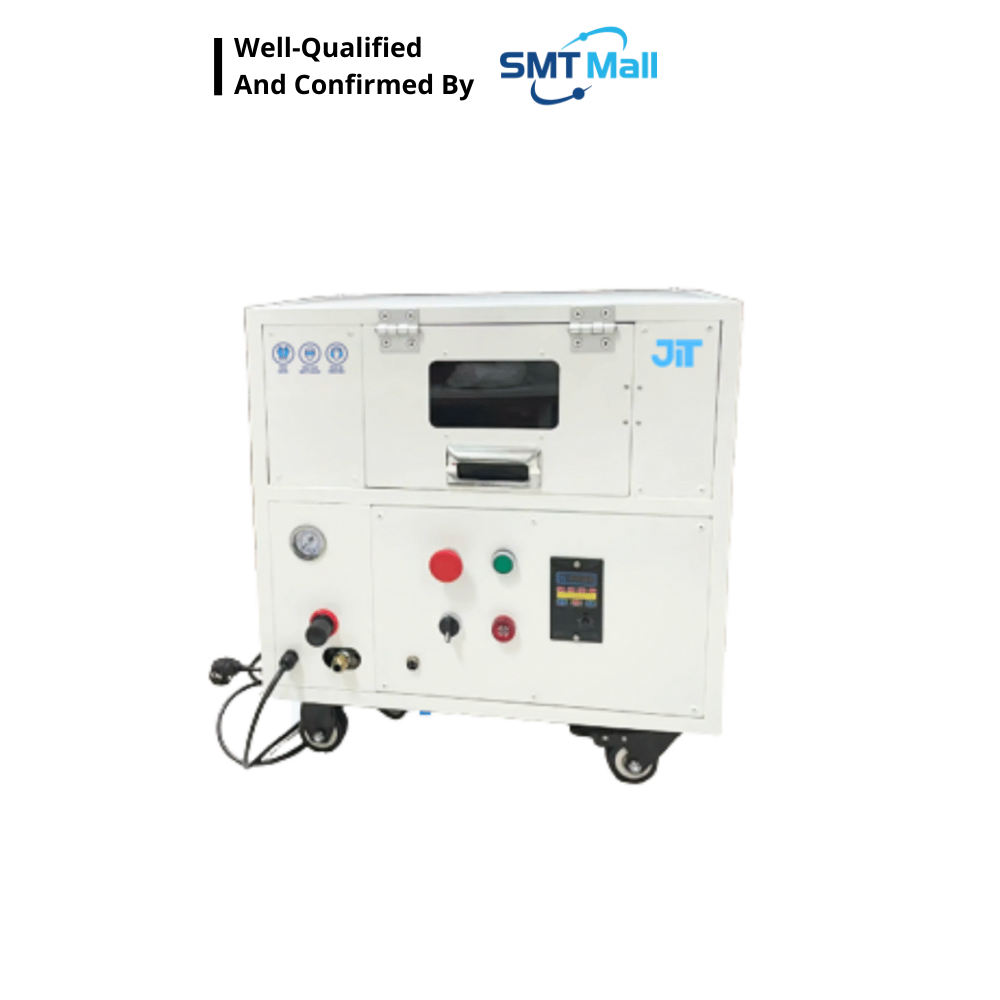
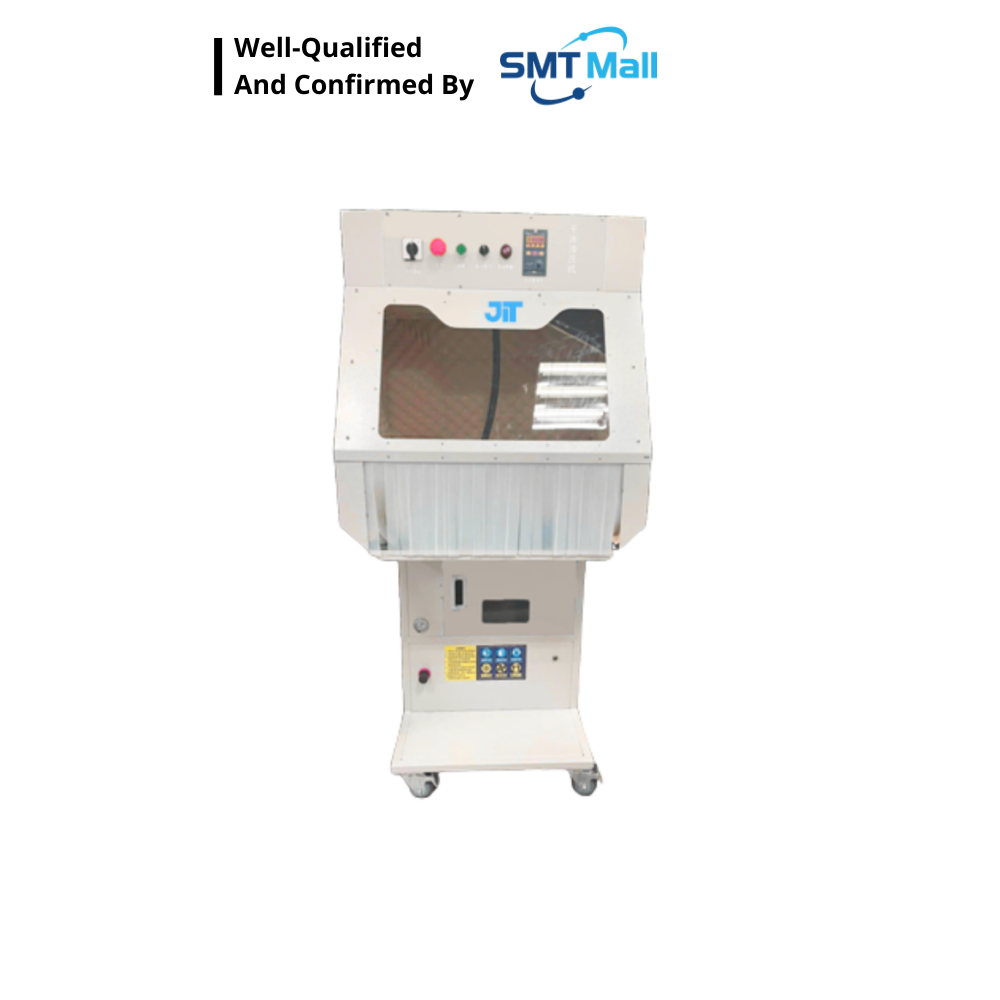
We offer a variety of PCB cleaning machines ideal for your cleaning application.
$ 35,000.00
Cleaning solutions
$ 79.00
Cleaning solutions
$ 51,816.87
Cleaning solutions
$ 4,200.00
Cleaning solutions
$ 1,920.00
Cleaning solutions
$ 2,150.00
Cleaning solutions
$ 3,220.00
Cleaning solutions
$ 27,300.00