
Product Categories
Inspection solutions
Inspection systems are designed to detect defects at different stages — from solder paste printing to final assembly — helping manufacturers minimize rework, improve yield, and maintain consistent production quality.
What is PCB Inspection?
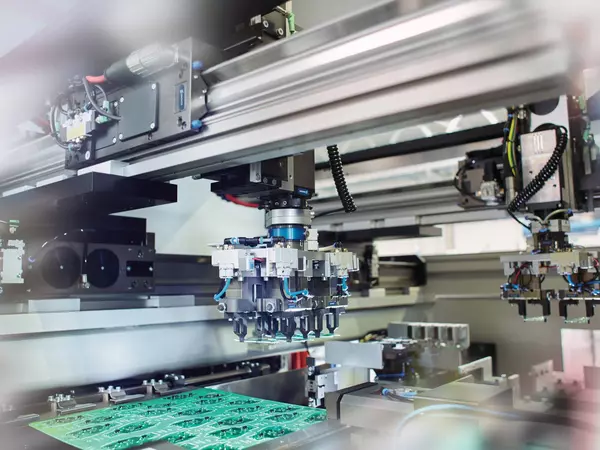
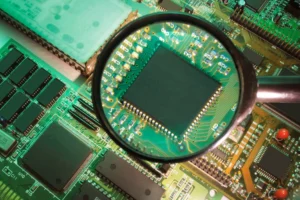
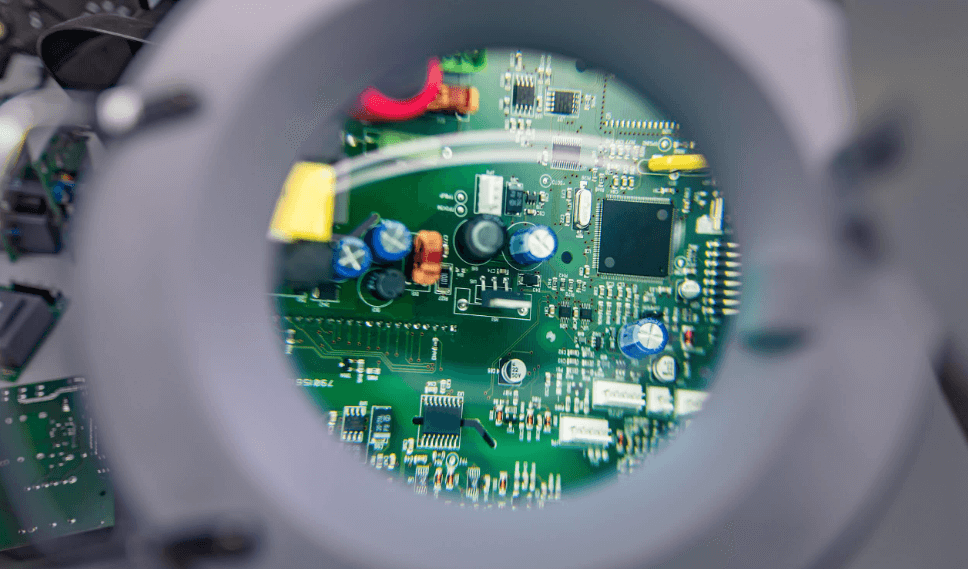
PCB inspection is a critical stage in the surface-mount technology (SMT) production process that ensures every board meets strict quality and reliability standards before shipment. Inspection systems are designed to detect defects at different stages — from solder paste printing to final assembly — helping manufacturers minimize rework, improve yield, and maintain consistent production quality.
At JIT Industrial Vietnam, we provide comprehensive SMT inspection solutions, including Solder Paste Inspection (SPI), Conformal Coating Inspection (CCI), and Automated X-ray Inspection (AXI), tailored to meet the demanding requirements of modern electronics manufacturing.
How Inspection System Works
Each inspection system targets a specific stage of the SMT process:
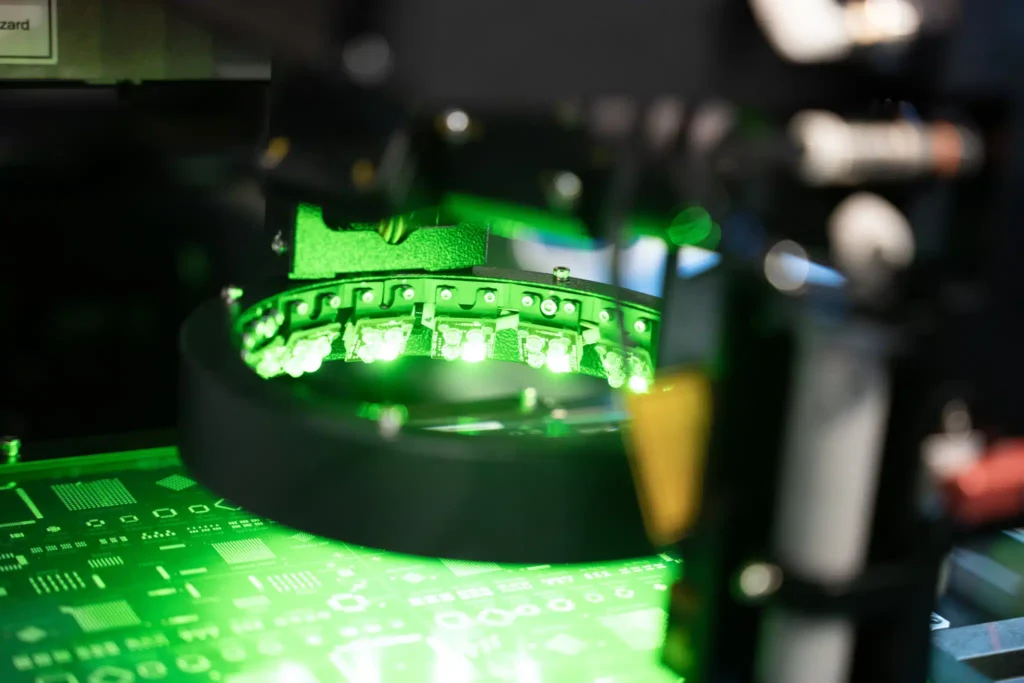
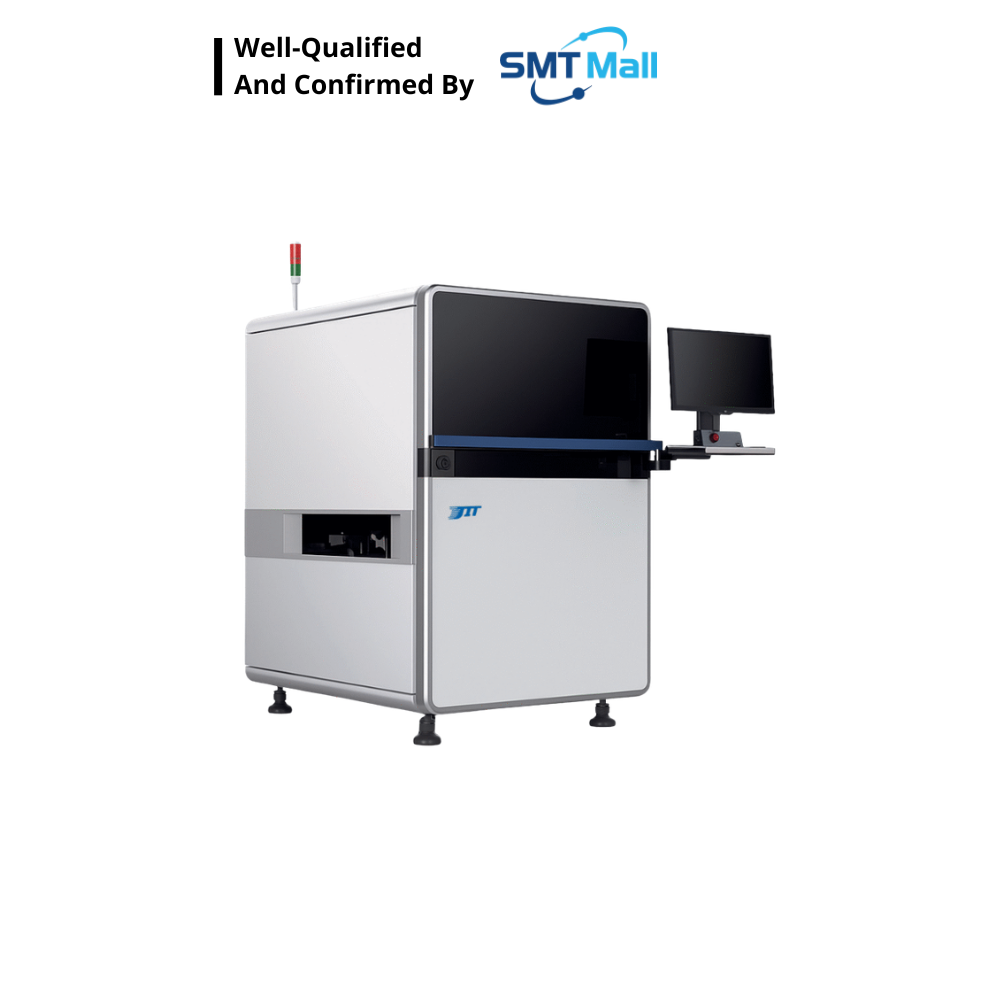
- Solder Paste Inspection (SPI): Measures the volume, height, and shape of solder paste deposits on PCBs right after the printing process. Using 3D imaging and laser triangulation, SPI systems detect insufficient or excessive solder, misalignment, and bridging before components are placed.
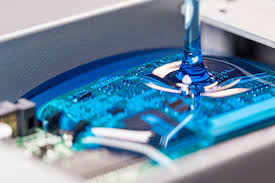
- Conformal Coating Inspection (CCI): Ensures that the protective coating is evenly applied and free from defects such as bubbles, voids, or uncovered areas. High-resolution cameras and UV lighting verify coating thickness and coverage on complex board surfaces.
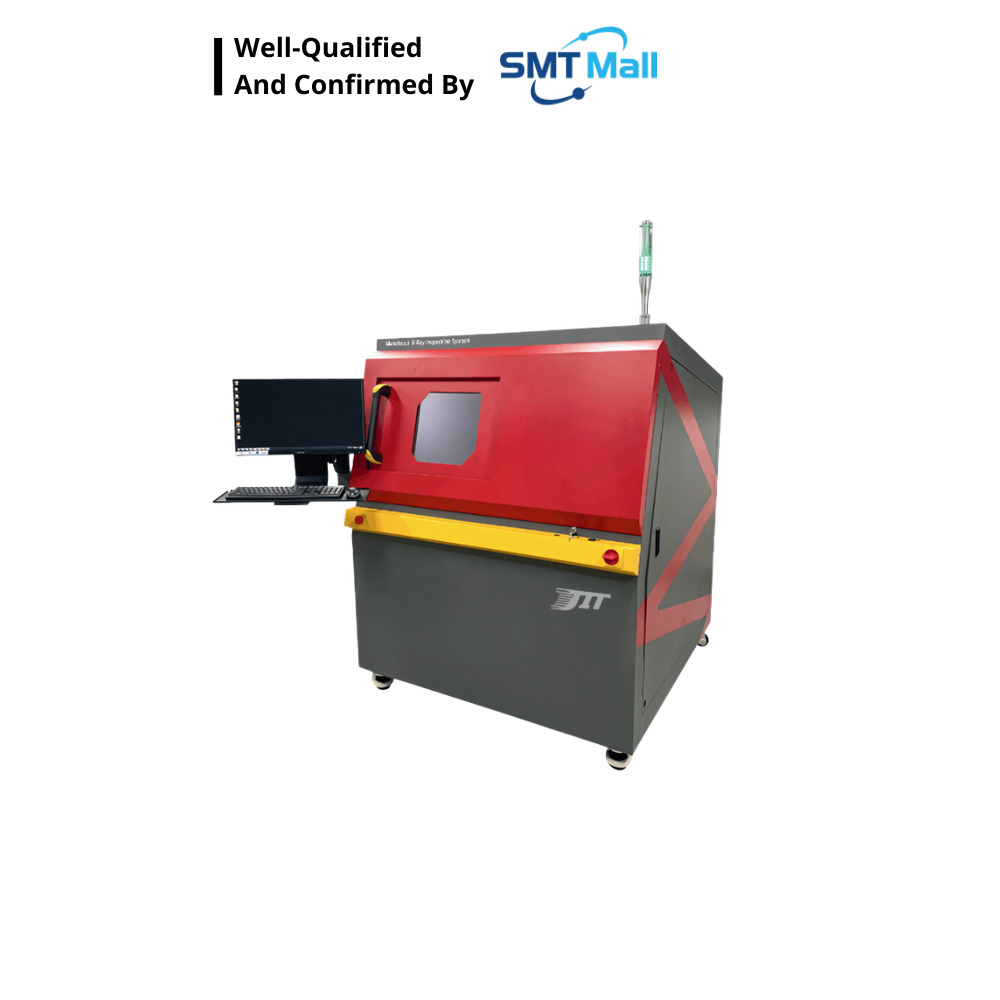
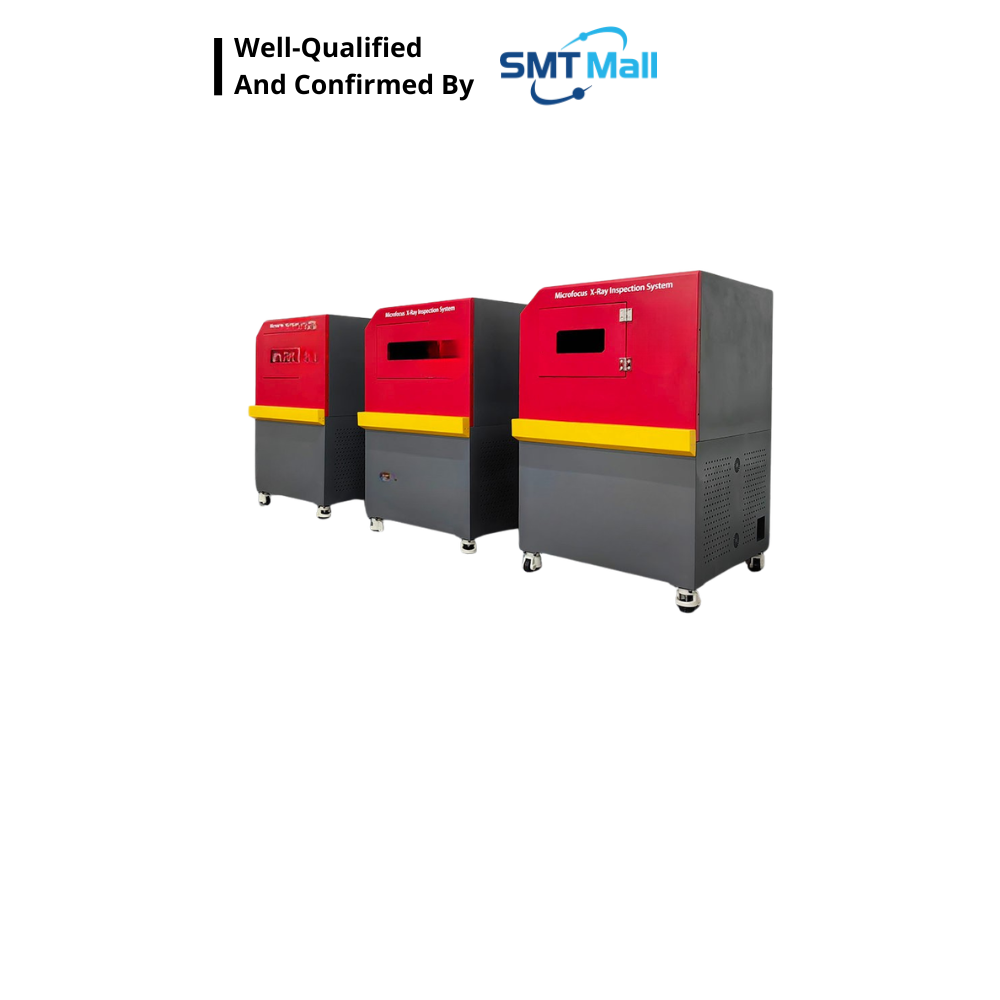
- Automated X-ray Inspection (AXI): Provides non-destructive inspection of hidden solder joints, such as BGAs, QFNs, and bottom-terminated components. X-ray imaging identifies internal defects like solder voids, bridging, or missing components that cannot be seen optically.
These systems can operate inline or offline, depending on production needs, and often integrate seamlessly with MES and traceability systems for full process control.
Benefits of Inspection Systems
- Higher Production Yield: Detect and correct defects early, reducing costly rework and scrap.
- Improved Quality Assurance: Provides objective, data-driven analysis for consistent results.
- Real-Time Process Feedback: Enables automatic print and placement adjustments to maintain optimal process stability.
- Enhanced Reliability: Ensures every PCB meets performance and safety standards, reducing field failures.
- Comprehensive Traceability: Inspection data can be stored, analyzed, and linked to production batches for complete quality tracking.
Key Factors to Consider When Choosing an Inspection System
Selecting the right inspection solution depends on your production process, product type, and quality requirements. Consider the following:
1. Inspection Stage
Choose SPI for early detection, AXI for hidden joints, and CCI for final surface protection.
2. Resolution and Speed:
Match inspection accuracy and throughput to your line’s capacity and PCB complexity.
3. Integration Compatibility
Ensure the machine can connect with existing SMT lines and factory automation systems.
4. Data Analysis Capabilities
Look for systems that offer SPC reporting, defect classification, and remote monitoring.
5. Maintenance and Ease of Use
Simple calibration, intuitive software, and reliable support reduce downtime.
6. Budget and ROI
Evaluate total cost of ownership, including training, maintenance, and long-term process benefits.
Recommended Inspection Systems
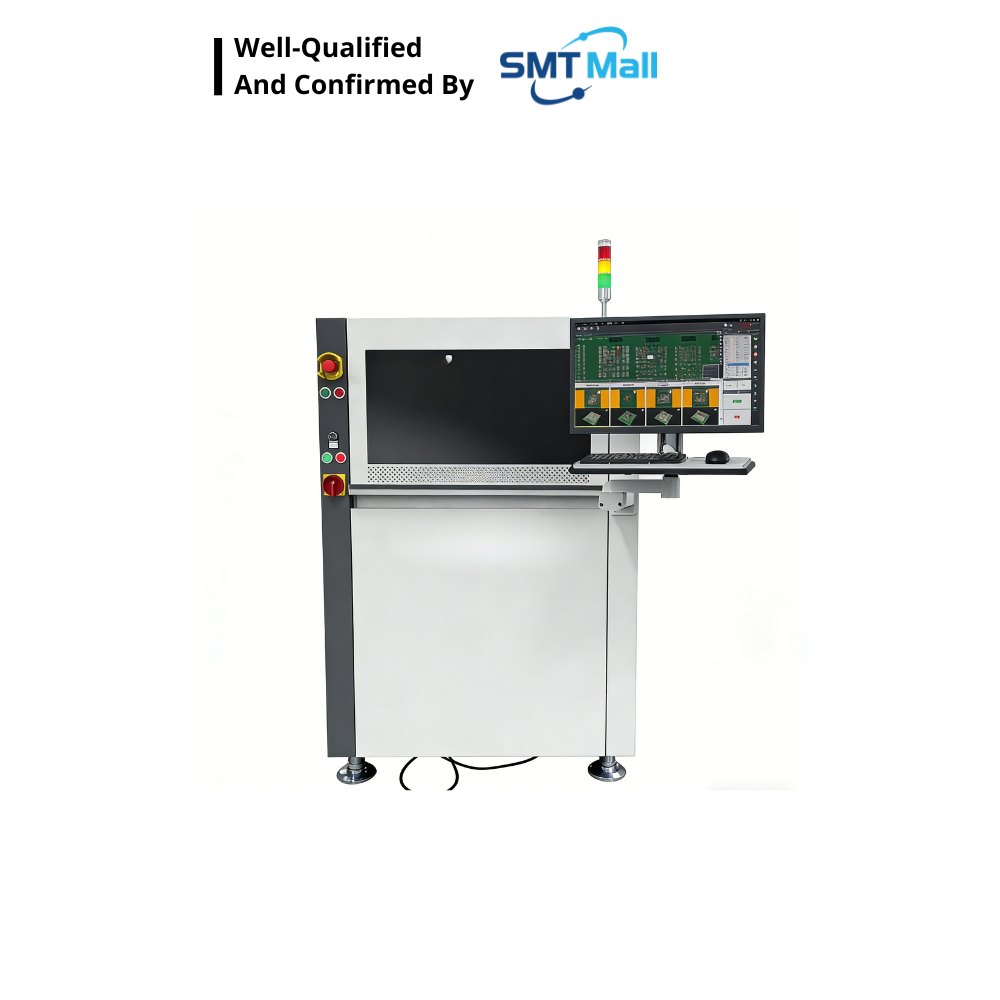
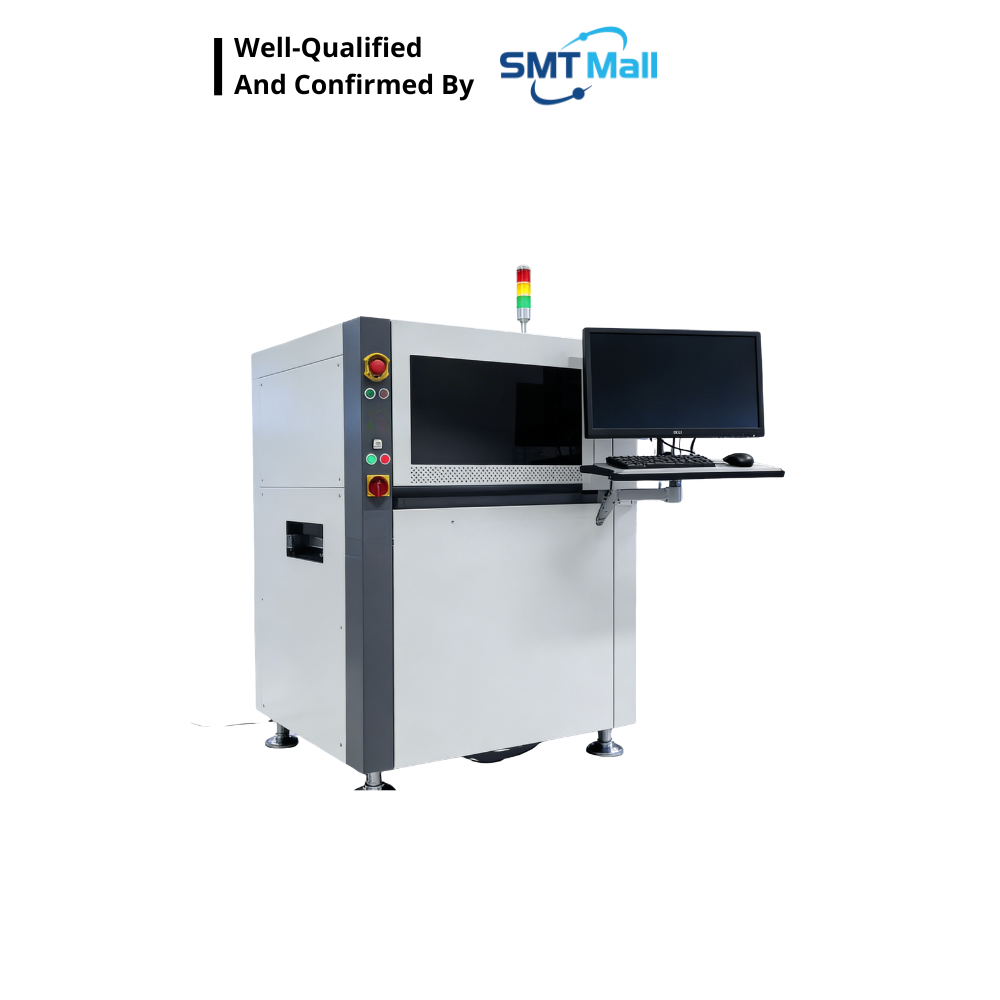
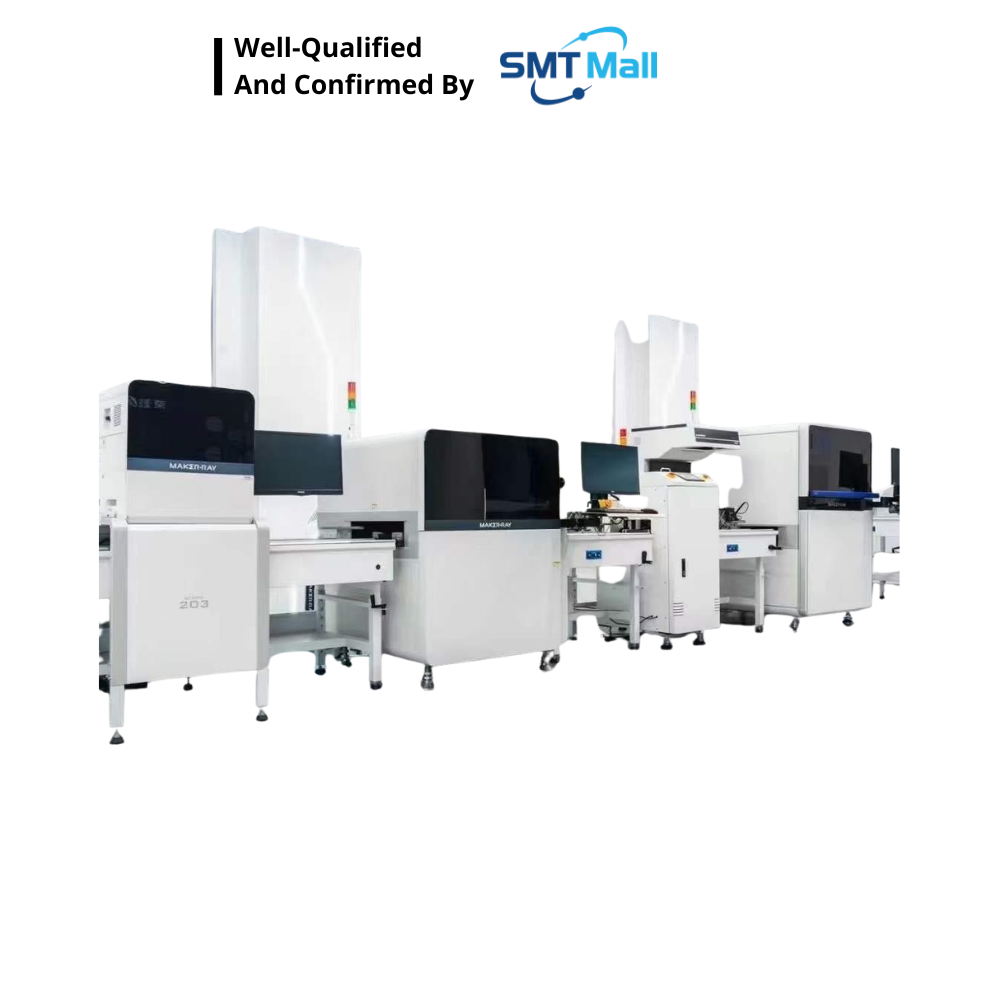
We offer a variety of inspection systems deal for your production line.
Inspection solutions
$ 34,750.00
Inspection solutions
$ 54,000.00
Inspection solutions
$ 55,000.00