

Product Categories
Soldering solutions
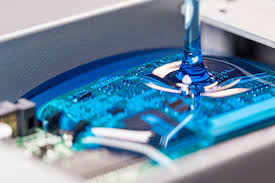
Soldering solutions are used in electronics manufacturing to create reliable electrical connections between electronic components and printed circuit boards (PCBs)
What Is Soldering Solutions?
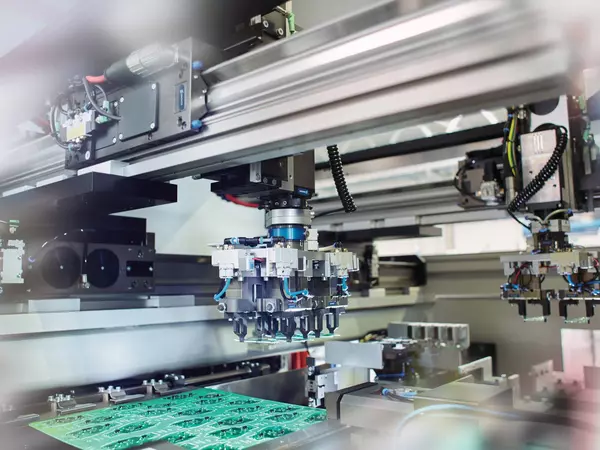
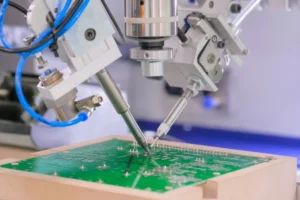
Soldering solutions are essential equipment and technologies used in electronics manufacturing to create reliable electrical connections between electronic components and printed circuit boards (PCBs). In modern PCB assembly operations, professional soldering equipment transforms individual components and circuit boards into fully functional electronic devices. Today’s soldering solutions include manual soldering stations for prototyping, selective soldering machines for precise applications, and automated reflow ovens for high-volume surface mount technology (SMT) production.How Soldering System Works
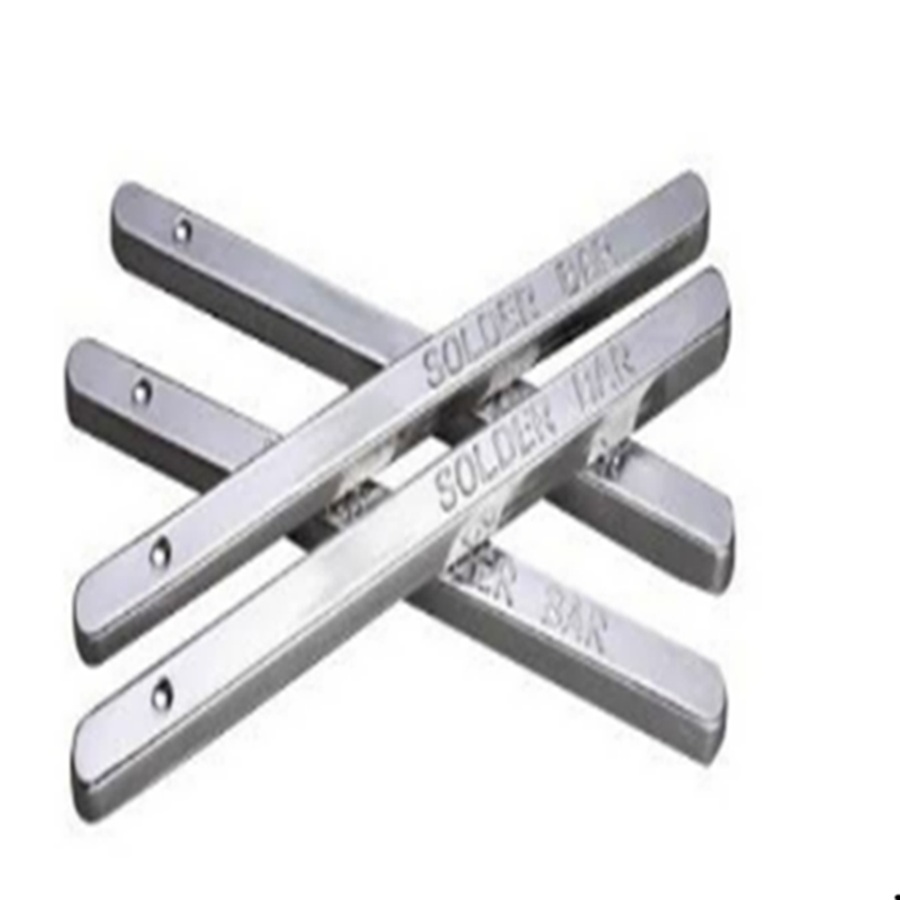
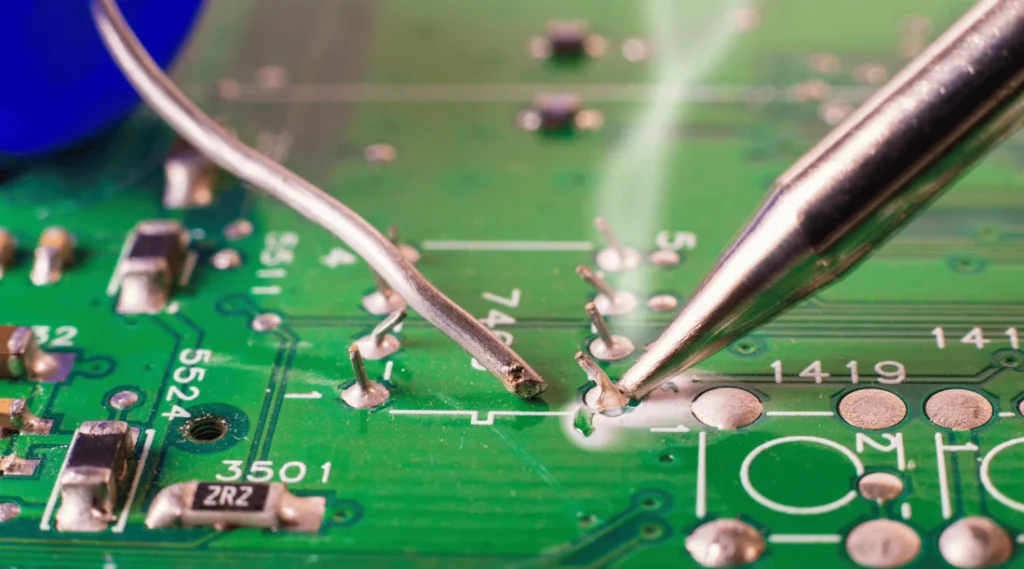
- The PCB soldering process applies controlled heat to melt solder alloy—typically lead-free SAC305 or traditional tin-lead compositions—creating metallic bonds between component terminals and PCB copper pads.
- As the molten solder solidifies, it forms both electrical conductivity pathways and mechanical support for mounted components.
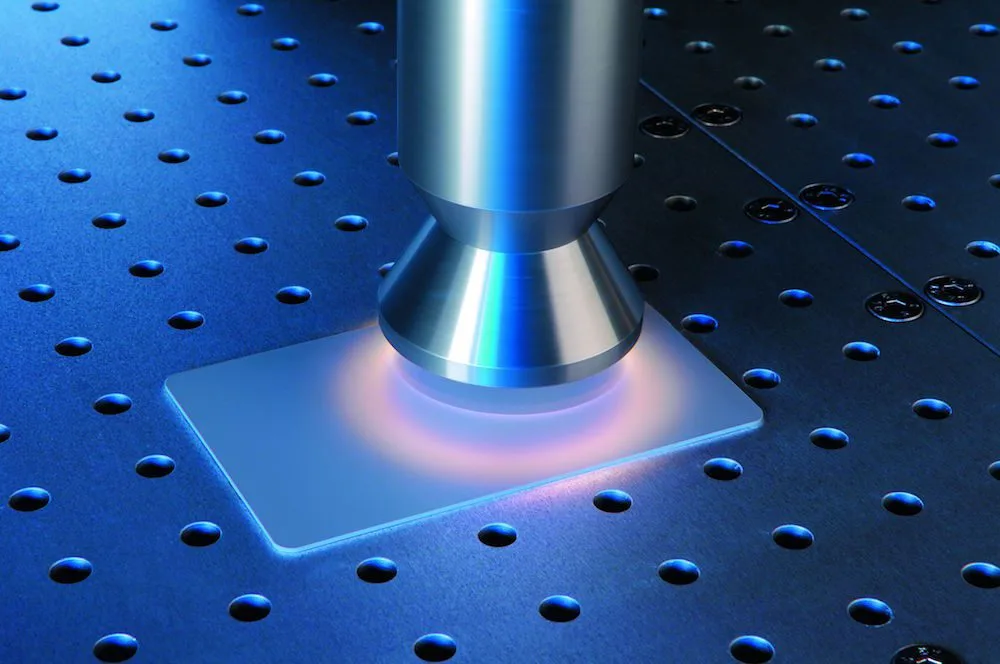
- Modern soldering machines utilize multiple heating technologies, including resistance heating elements, infrared (IR) reflow, convection heating, and laser soldering systems.
- Advanced soldering equipment features precise temperature profiling, programmable thermal cycles, and real-time process monitoring to achieve consistent solder joint quality across every production run.
Benefits of Soldering System
- Enhanced Manufacturing Reliability: Industrial soldering equipment produces durable solder joints that withstand thermal stress, mechanical vibration, and harsh operating environments throughout product lifecycles.
- Increased Production Speed: Automated soldering systems maximize assembly throughput while reducing labor costs and eliminating operator-dependent quality variations in repetitive soldering tasks.
- Superior Quality Control: Precision temperature management and automated process control ensure uniform solder joint formation, minimizing defects, reducing rework expenses, and improving first-pass yield rates.
- Manufacturing Flexibility: Contemporary soldering solutions accommodate diverse component technologies including through-hole (THT), surface mount devices (SMD), ball grid arrays (BGA), and mixed-technology PCB assemblies.
- RoHS Compliance Support: Modern soldering equipment supports lead-free solder materials required for international environmental regulations and export markets.
Key Factors to Consider When Choosing a Soldering System
When selecting the right soldering system for your production line, consider these essential factors:
1. Production Capacity Requirements
Choose soldering machines matching your manufacturing volume—benchtop soldering stations for prototyping and repair, semi-automated systems for mid-volume production, or inline automated soldering lines for mass manufacturing.
2. Component Technology Compatibility
Verify equipment supports your specific component types including SMT components, through-hole packages, fine-pitch devices, and advanced packaging technologies like chip-on-board (COB).
3. PCB Assembly Specifications
Consider circuit board dimensions, substrate materials, copper thickness, multilayer complexity, and component placement density when evaluating soldering system capabilities.
4. Thermal Process Control
Ensure the soldering equipment delivers accurate temperature regulation, customizable heating profiles, and thermal management suitable for lead-free solder alloys and temperature-sensitive electronic components.
5. Factory Floor Integration
Assess available production floor space, electrical power requirements, and compatibility with existing SMT placement equipment, inspection systems, and material handling automation.
6. Investment Analysis
Evaluate the total cost of ownership, including equipment pricing, operational expenses, maintenance requirements, energy consumption, and expected return on investment through reduced labor and improved quality metrics.
Recommended Soldering Systems
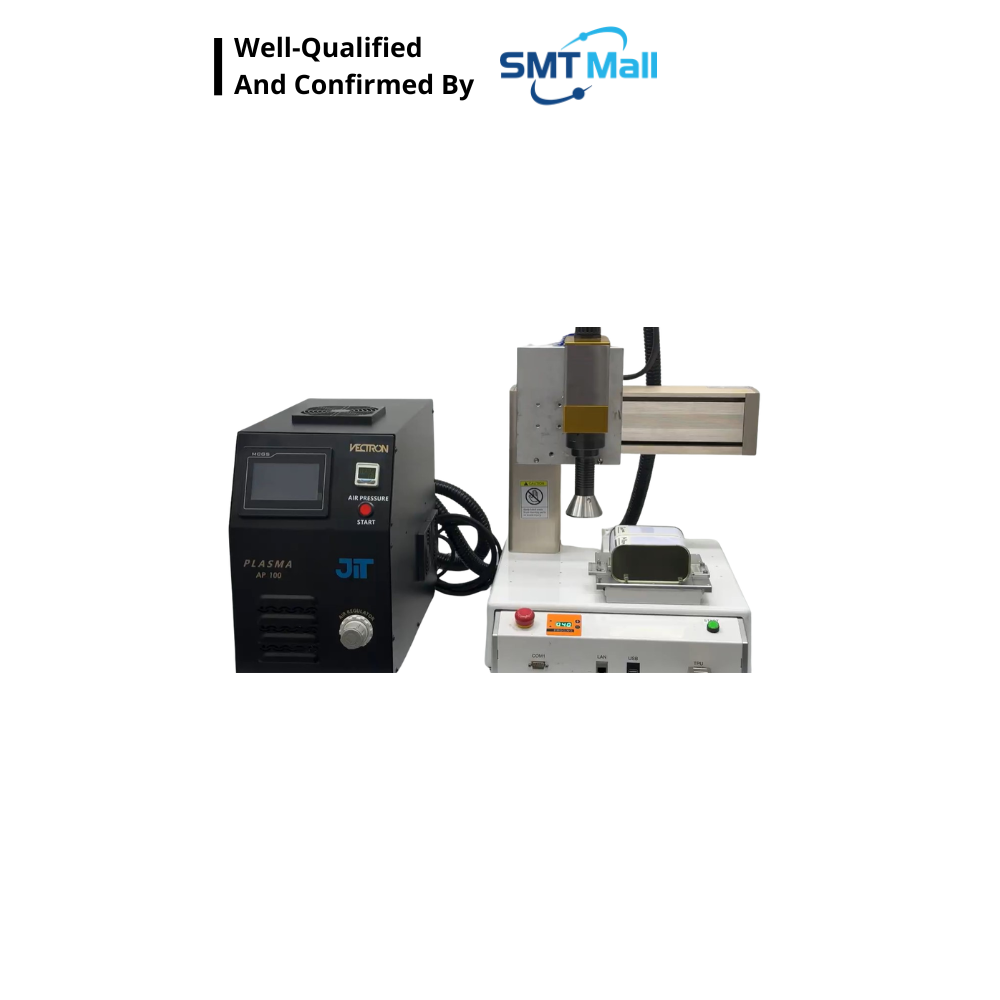
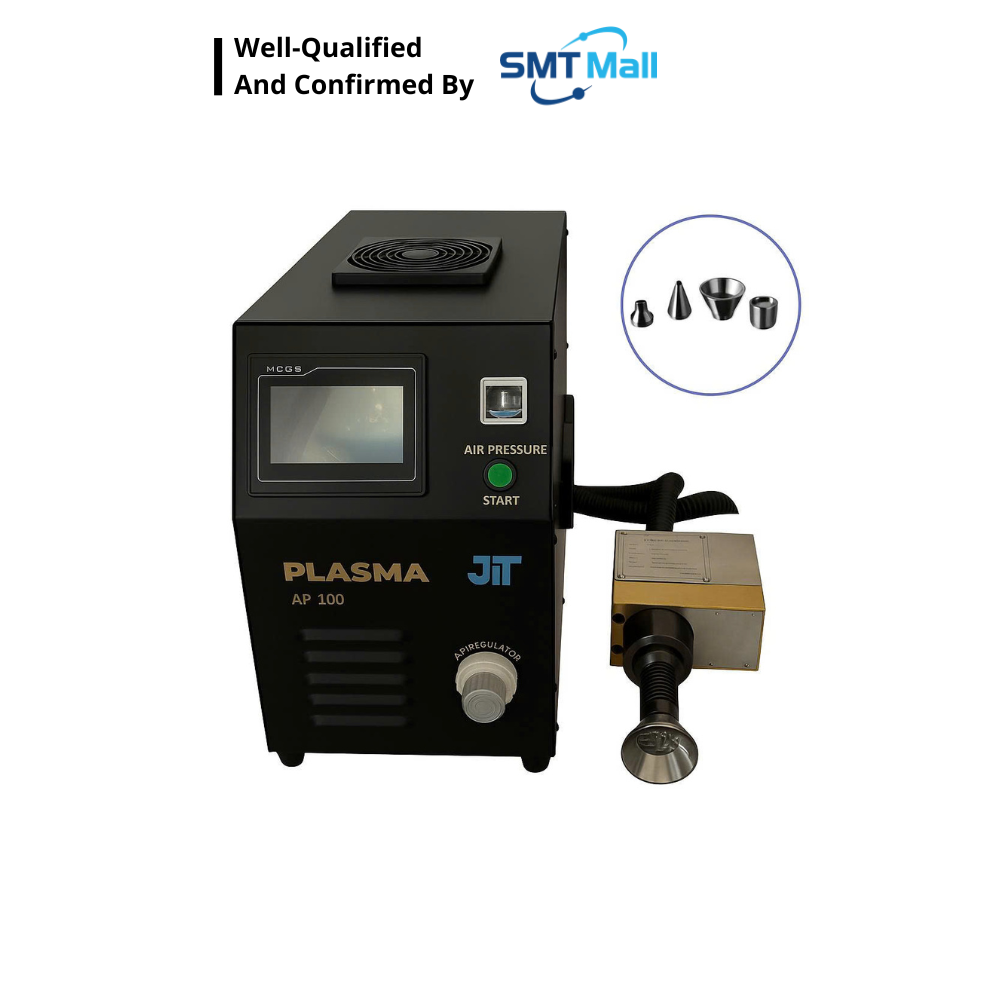
We offer a variety of soldering systems ideal for your production line.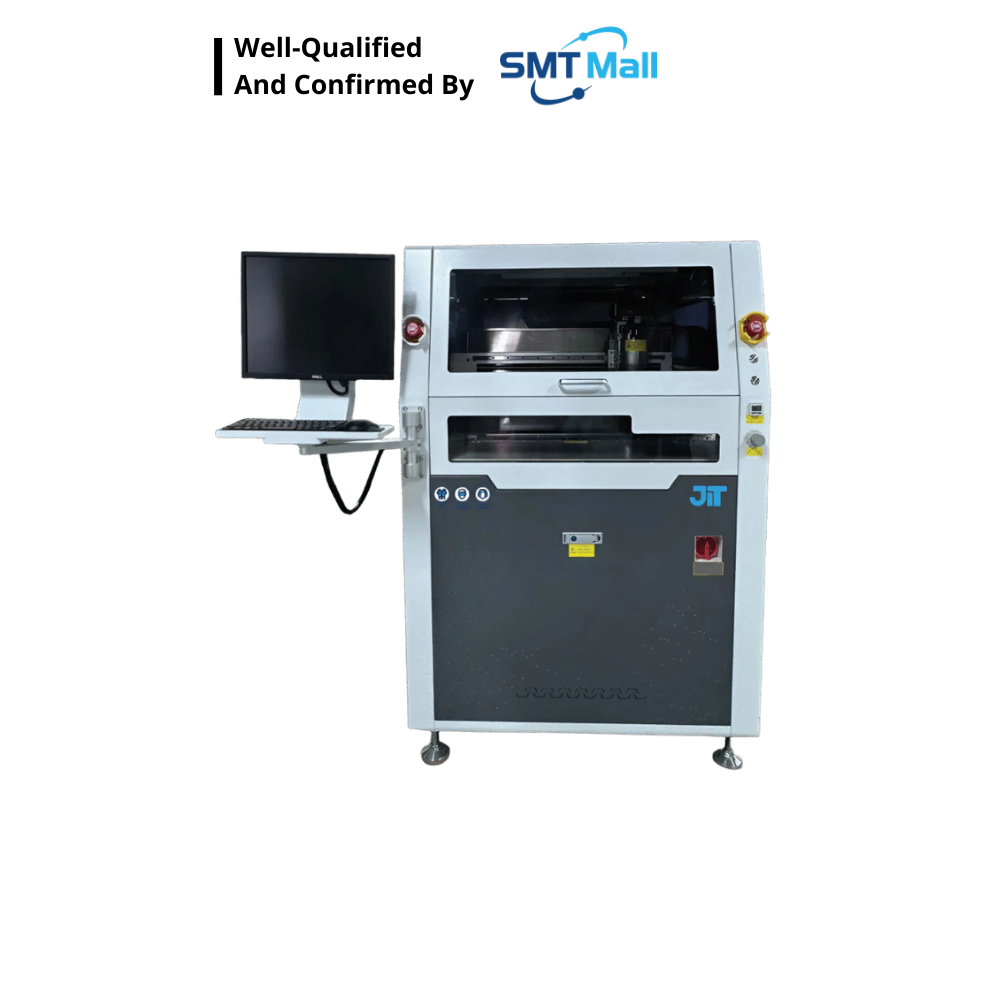
$ 35,000.00
$ 5,000.00