
Soldering solutions
Automatic Soldering Solutions – Enhancing Quality and Efficiency in Electronics Manufacturing
1. From Manual to Automated Soldering
Traditional hand soldering offers flexibility but heavily depends on operator skill. Variations in temperature control, solder feed, and dwell time often result in defects such as cold joints, solder bridging, insufficient wetting, or oxidation.
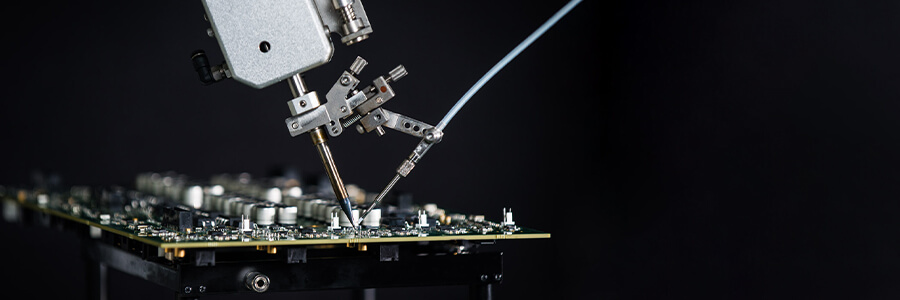
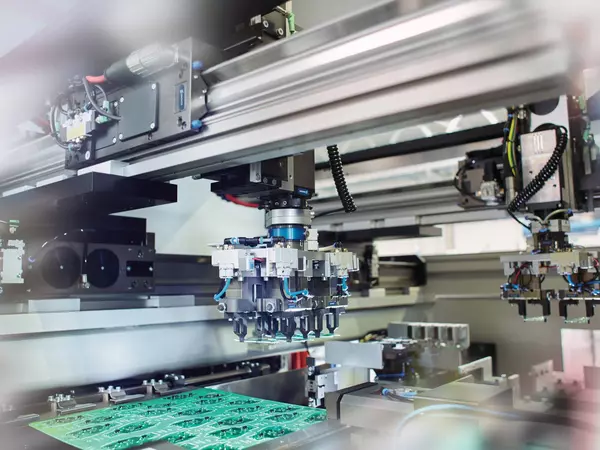
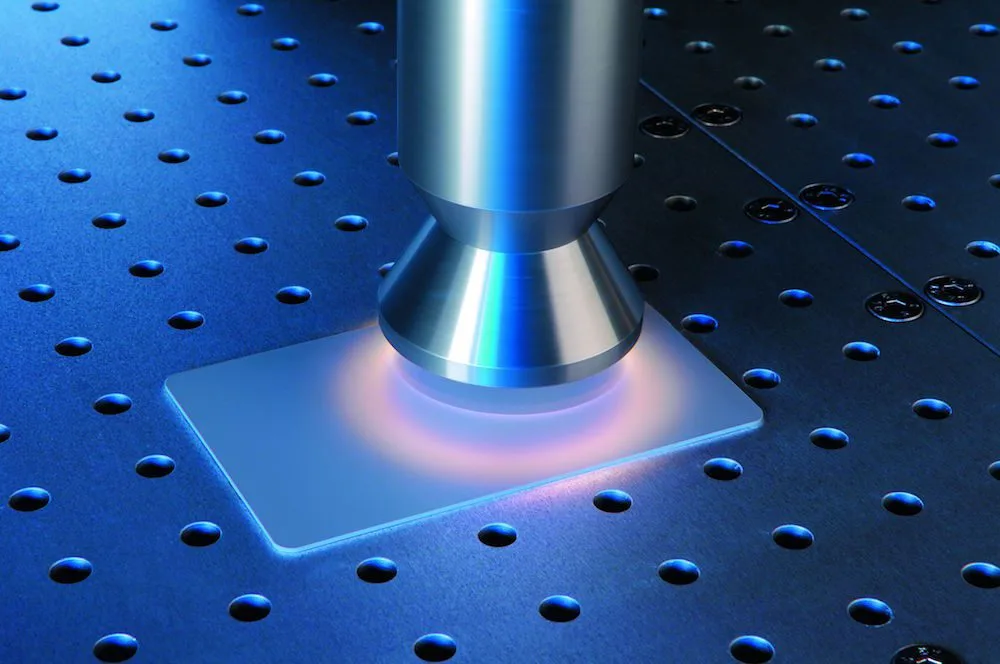
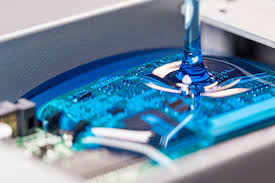
Today, advanced technologies such as Selective Soldering, Laser Soldering, and Robotic Soldering Stations provide programmable precision and repeatable performance.
- Precise control of solder volume and temperature
- Repeatable, data-driven solder joint quality
- Integration with AOI and MES systems
- Compliance with IPC-A-610 Class 2 & Class 3 standards
2. Key Advantages of Automated Soldering
- Consistent Precision: Uniform solder flow and temperature stability.
- Reduced Defects: Lower voids, bridging, and rework rates.
- Improved Throughput: Continuous multi-shift operation.
- Cost Optimization: Reduced solder waste and flux consumption.
- Safer Environment: Integrated fume extraction and clean processing.

3. Applications Across Industries
- Consumer Electronics: Smartphones, wearables, IoT devices.
- Automotive Electronics: ECUs, EV modules, sensors.
- Medical Devices: High-reliability PCB assemblies.
- Industrial Equipment: Power modules and control systems.
- Renewable Energy: Solar inverters and energy storage boards.
4. The Future of Smart Soldering
As Industry 4.0 advances, soldering systems are evolving into intelligent, connected platforms with real-time monitoring and predictive capabilities.
- AI-based defect detection and anomaly analysis
- Closed-loop temperature and solder flow adjustment
- Predictive maintenance algorithms
- Connectivity via IPC-CFX and Hermes standards
In the near future, soldering robots will not only execute programmed paths — they will analyze performance data, self-optimize parameters, and collaborate seamlessly with other smart equipment.
Transitioning to automated soldering solutions is more than an upgrade — it is a strategic investment in quality, yield improvement, and sustainable production. Intelligent soldering systems form the foundation of future-ready electronics manufacturing.
Discover Advanced Soldering Automation →