
Depaneling solutions
Depaneling Solutions – The Final but Critical Step in PCB Manufacturing
1. Common Soldering Defects
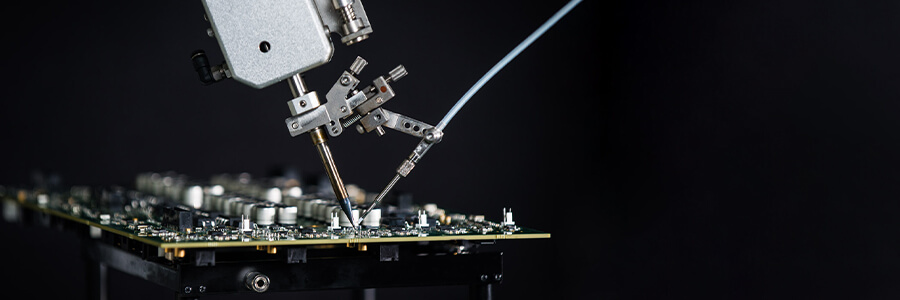
Soldering defects often result from improper temperature control, inconsistent solder volume, poor flux application, or contamination. Understanding these issues is essential to reduce rework and ensure consistent production quality.
- Bridging: Excess solder creates unintended connections between pads, causing short circuits.
- Insufficient Solder: Weak mechanical bonds and unstable electrical contact.
- Cold Joint: Dull, grainy surface indicating incomplete wetting.
- Solder Splash / Spatter: Scattered particles that may cause cosmetic or functional defects.
- Void Formation: Trapped air or flux residues reducing joint reliability.
These defects directly affect PCB durability, signal stability, and resistance to thermal or mechanical stress.
2. Process Control – The Foundation of Quality
- Precise Temperature Management: PID control systems maintain stability within ±1°C.
- Stable Solder Feed: Automated feeders ensure consistent solder volume.
- Controlled Flux Application: Optimized wetting and oxidation prevention.
- AOI & 3D Inspection: Real-time monitoring of joint shape and volume.
- Data Logging & MES Integration: Enables traceability and long-term optimization.
3. Future Trends – Intelligent Quality Control
The future of soldering quality lies in AI-driven inspection and adaptive process control. Advanced systems integrate machine vision and artificial intelligence to achieve predictive performance.
- Automatic defect recognition using shape and thermal analysis
- Real-time parameter adjustment (temperature, feed rate)
- Predictive failure detection through trend analysis
- Closed-loop feedback to upstream production systems
4. The Path Forward
In the era of Industry 4.0, soldering is no longer just about melting tin — it is about data-driven quality assurance. Companies that invest in real-time monitoring, intelligent inspection, and closed-loop control gain a strategic advantage in reliability and production efficiency.
As PCB density increases and components miniaturize, maintaining consistent solder joint quality across thousands of connections becomes a decisive competitive factor.
The next generation of manufacturing depends not only on how fast we solder, but on how intelligently we control every single joint. By combining precision process control with AI-powered inspection, manufacturers can achieve zero-defect production and long-term product reliability.
Upgrade Your Soldering Quality Control →
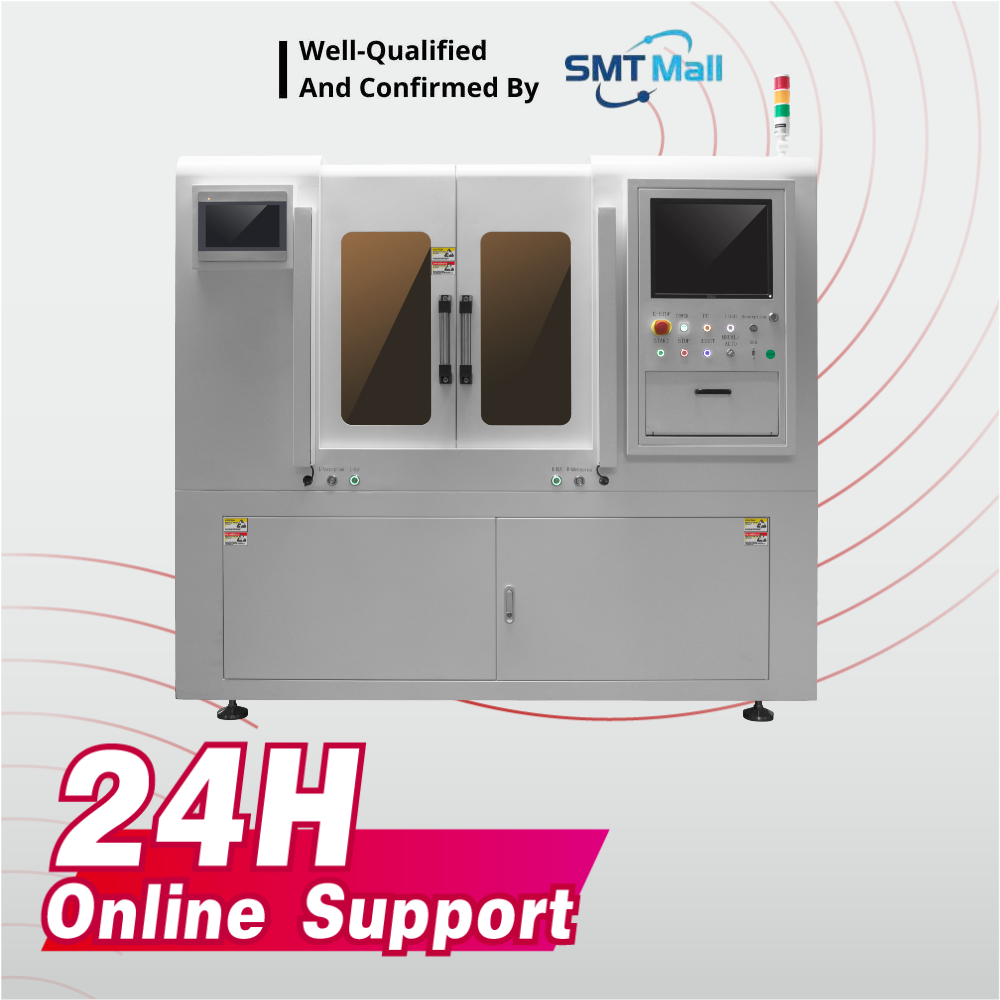
Recommended Depaneling Systems
We offers a variety of depaneling systems ideal for your production line.
Depaneling solutions
$ 98,000.00
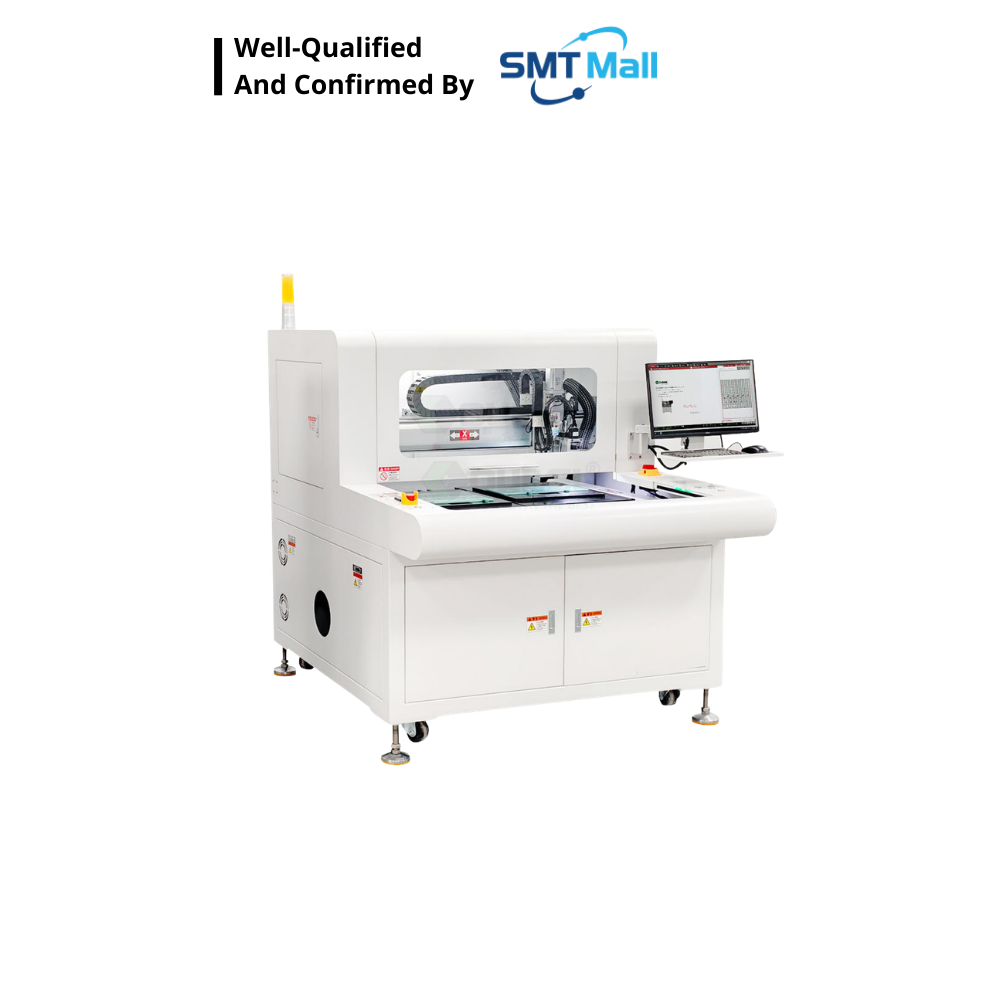
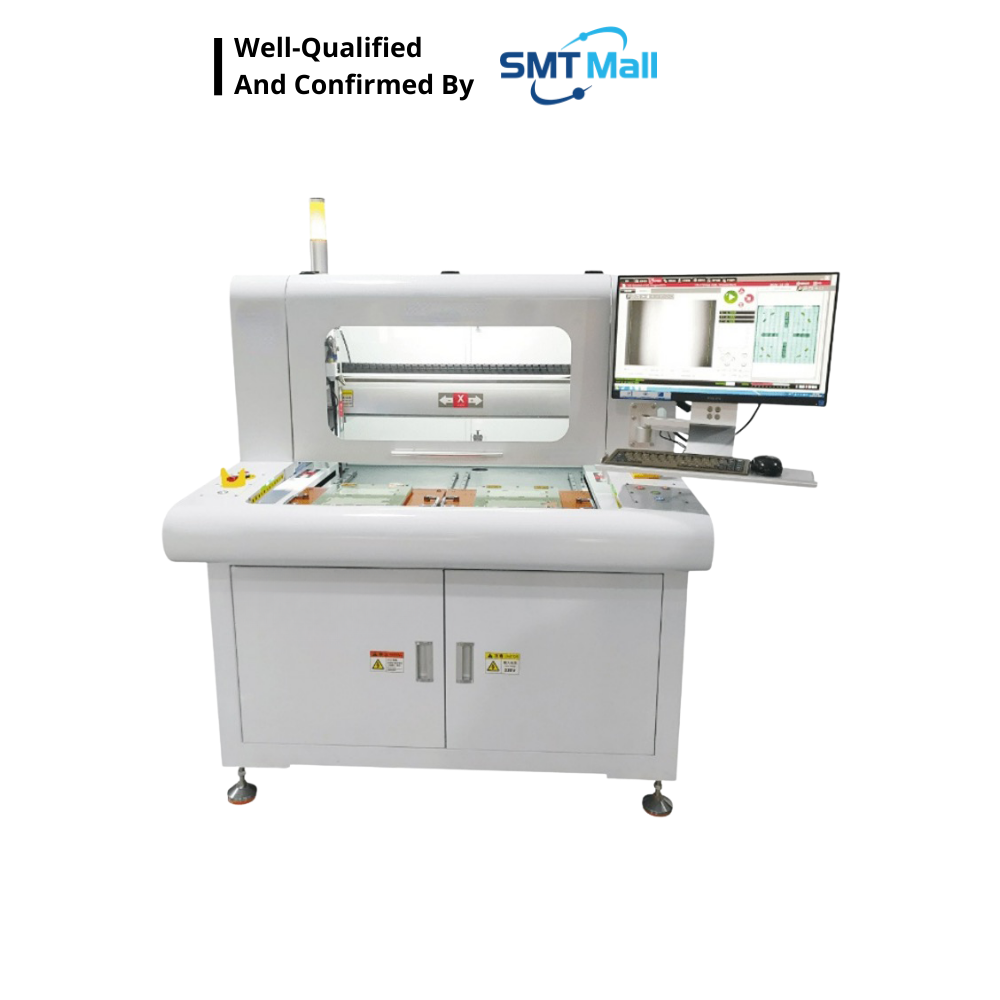
Depaneling solutions
R-350M Offline Single-spindle PCBA Milling Cutter Separator Router
$ 15,400.00
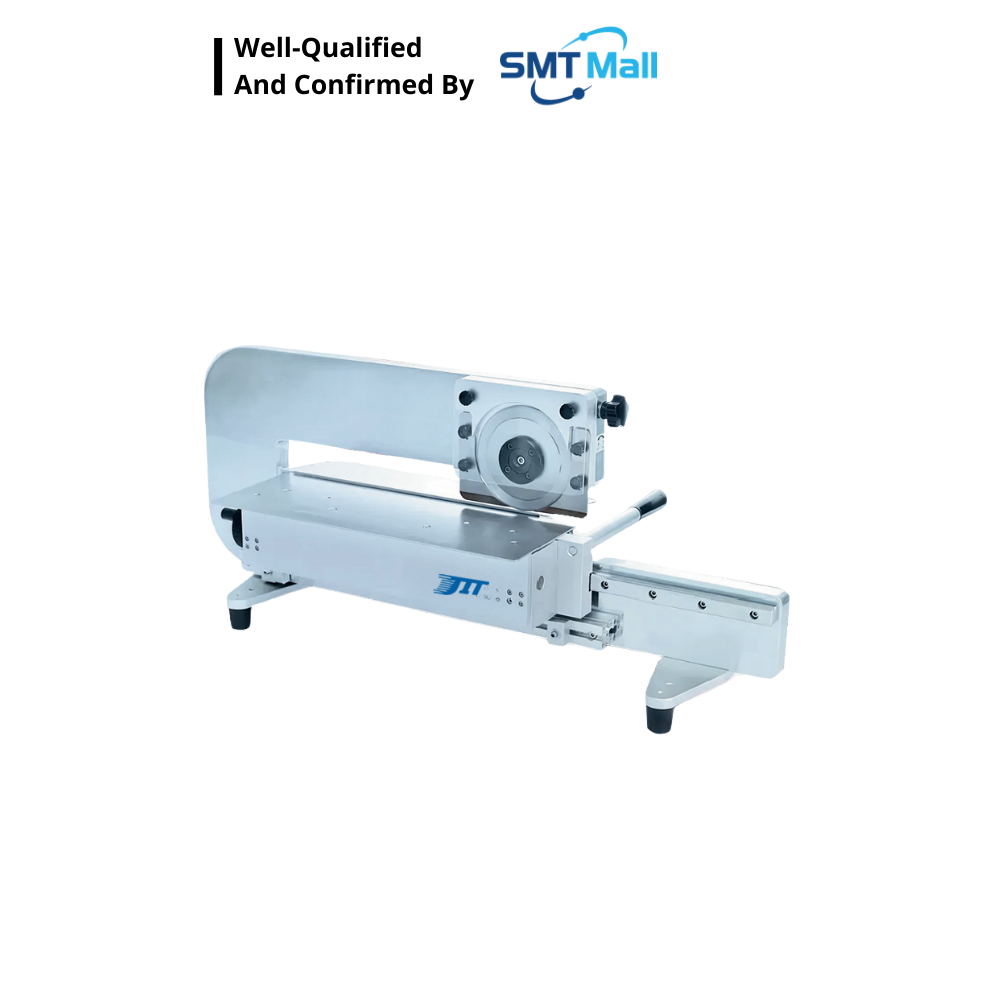
Depaneling solutions
$ 4,200.00
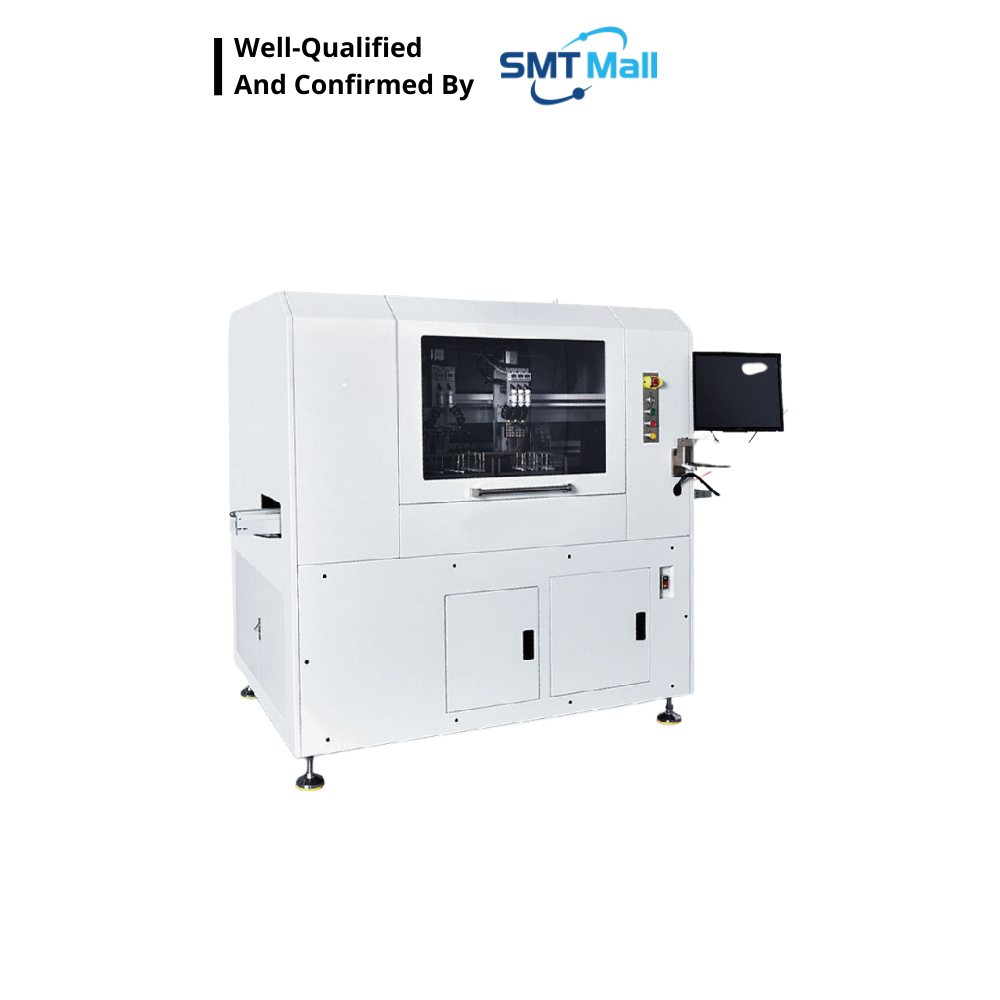
Depaneling solutions
$ 63,000.00