
Dispensing solutions
How to Choose the Right Dispensing System for Your Production Line
1. Identify the Type of Material to Be Dispensed
Start by defining your material characteristics—viscosity, curing behavior, corrosiveness, and temperature sensitivity. The dispensing technology, valve type, and process parameters should be selected around the material, not the other way around.
Common material requirements
- Epoxy / Silicone: Requires stable pressure and timing control to keep volume consistent.
- Conductive Adhesive: Demands high precision to prevent overflow, bridging, or short circuits.
- UV Glue / Acrylic: Needs accurate dispensing plus controlled UV exposure and curing time.
2. Consider Production Scale and Cycle Time
Your output target (UPH), takt time, and product mix determine whether speed or flexibility matters more. Choosing the wrong platform often results in bottlenecks or unnecessary cost.
- Mass production: Jet dispensing systems or automatic potting systems for high-speed output.
- Flexible / small-scale lines: Desktop dispensing robots for fast changeover and compact layout.
3. Level of Automation and System Integration
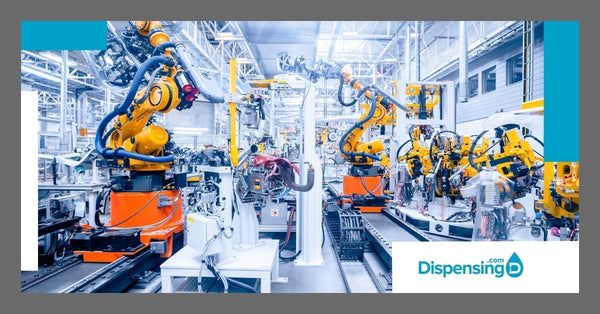
Modern dispensing solutions can integrate with robots, conveyors, vision systems, and MES/ERP platforms. Integration capability directly impacts traceability, quality control, and labor dependence.
- Robot/conveyor interface for inline operation
- Vision alignment for accurate targeting
- MES/ERP data logging for process traceability
- Automatic alarms and real-time monitoring
4. Accuracy and Repeatability
Focus on repeatability and deviation—not only “resolution.” For long production runs, machines with stable motor control and smart compensation features deliver better consistency and fewer defects.
- Dispensing repeatability and response time
- Volume deviation under continuous operation
- Auto-compensation for viscosity or pressure drift
- Anti-lost-step / anti-slip motion control
5. Maintenance and Technical Support
A high-performance system is only valuable if it stays running. Prioritize easy cleaning, fast nozzle replacement, and strong technical support to reduce downtime and total cost of ownership.
- Quick-clean design and easy part replacement
- Automatic error detection and alarm functions
- Spare parts availability and local service support
The best dispensing system is the one that matches your material behavior, production speed, and quality targets. By selecting the right platform and integration level, you can reduce defects, improve throughput, and build a more stable manufacturing process.
Talk to a Dispensing Expert →
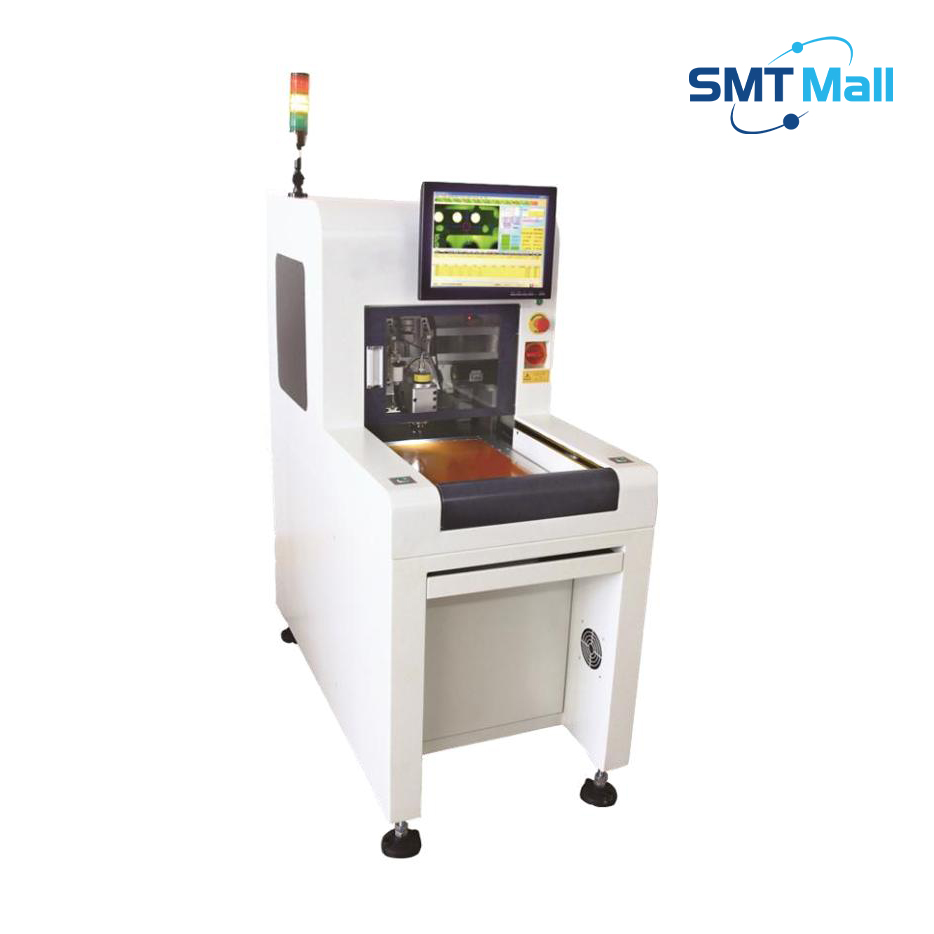
Dispensing solutions
$ 16,800.00
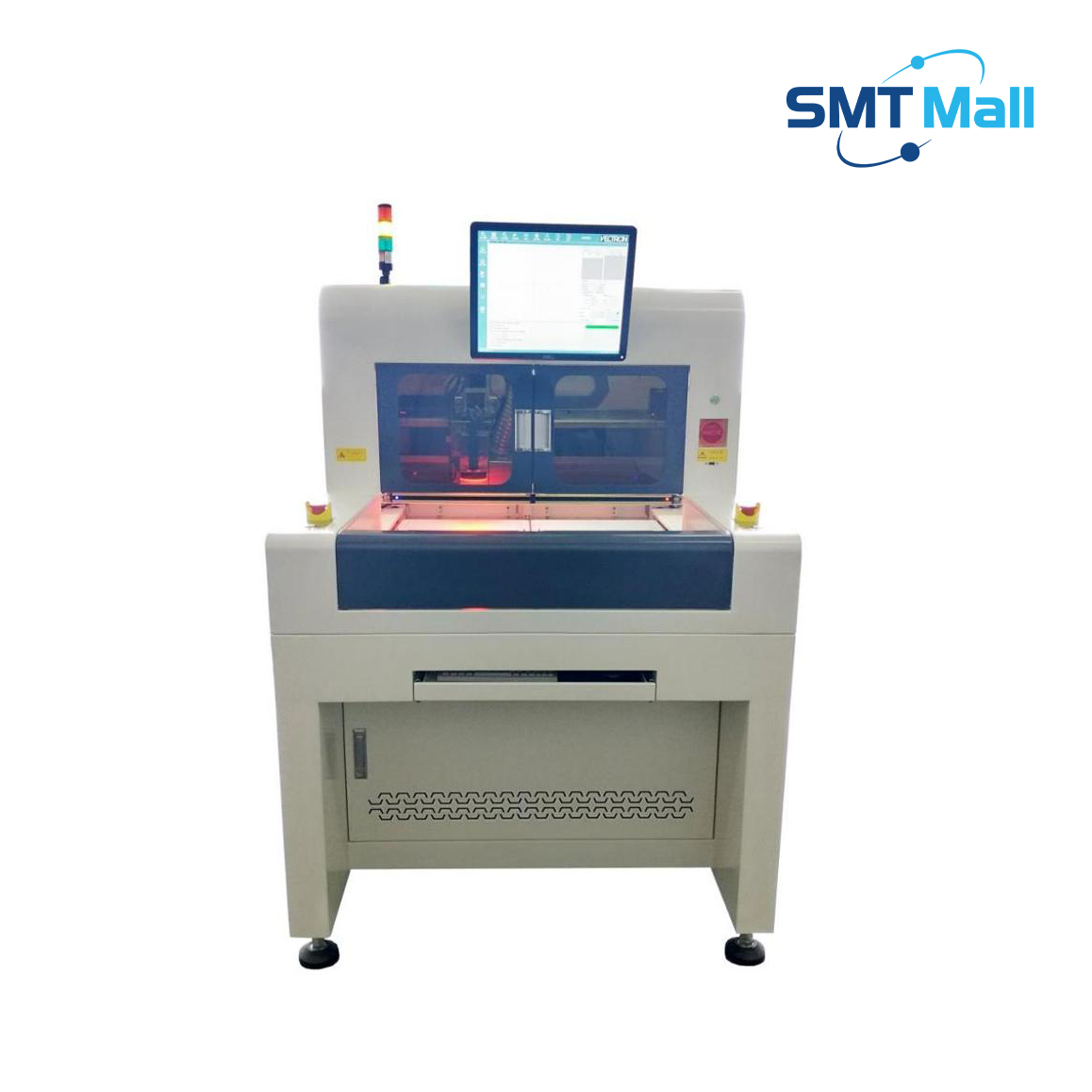
Dispensing solutions
$ 21,000.00
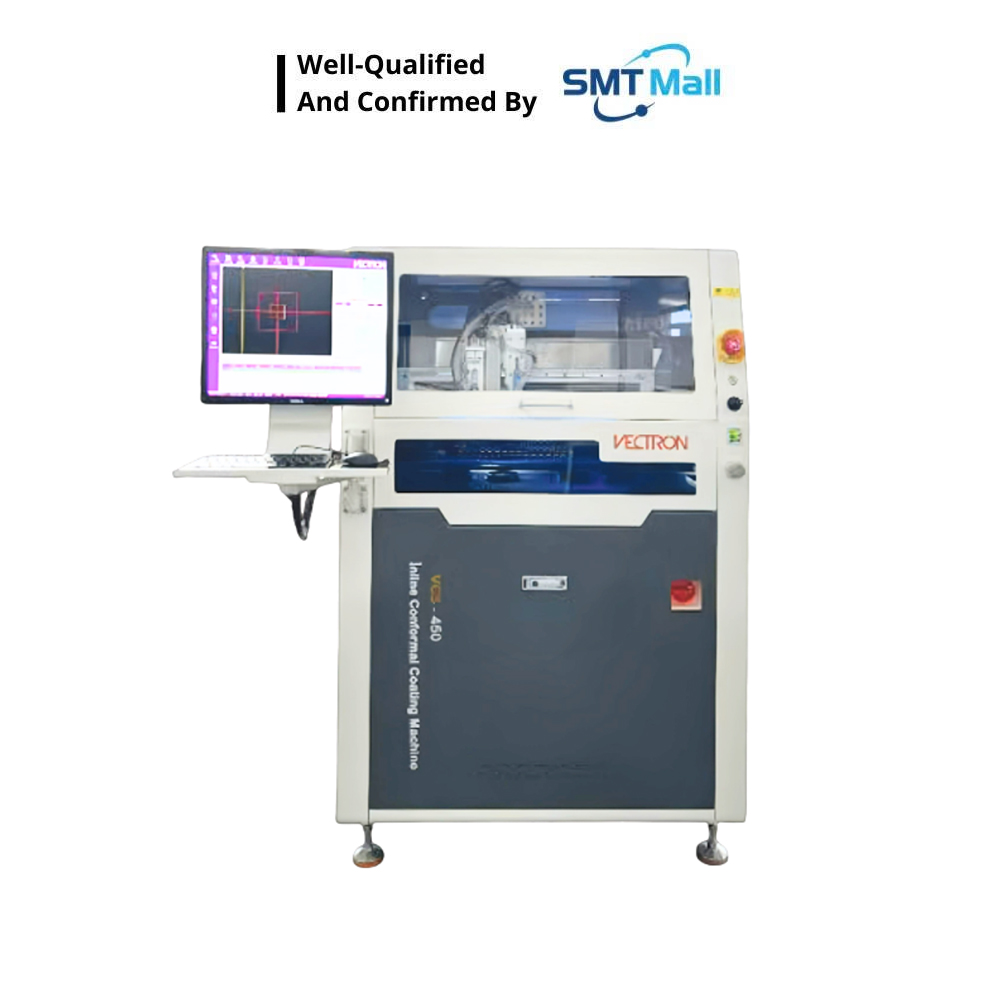
Dispensing solutions
$ 28,150.00
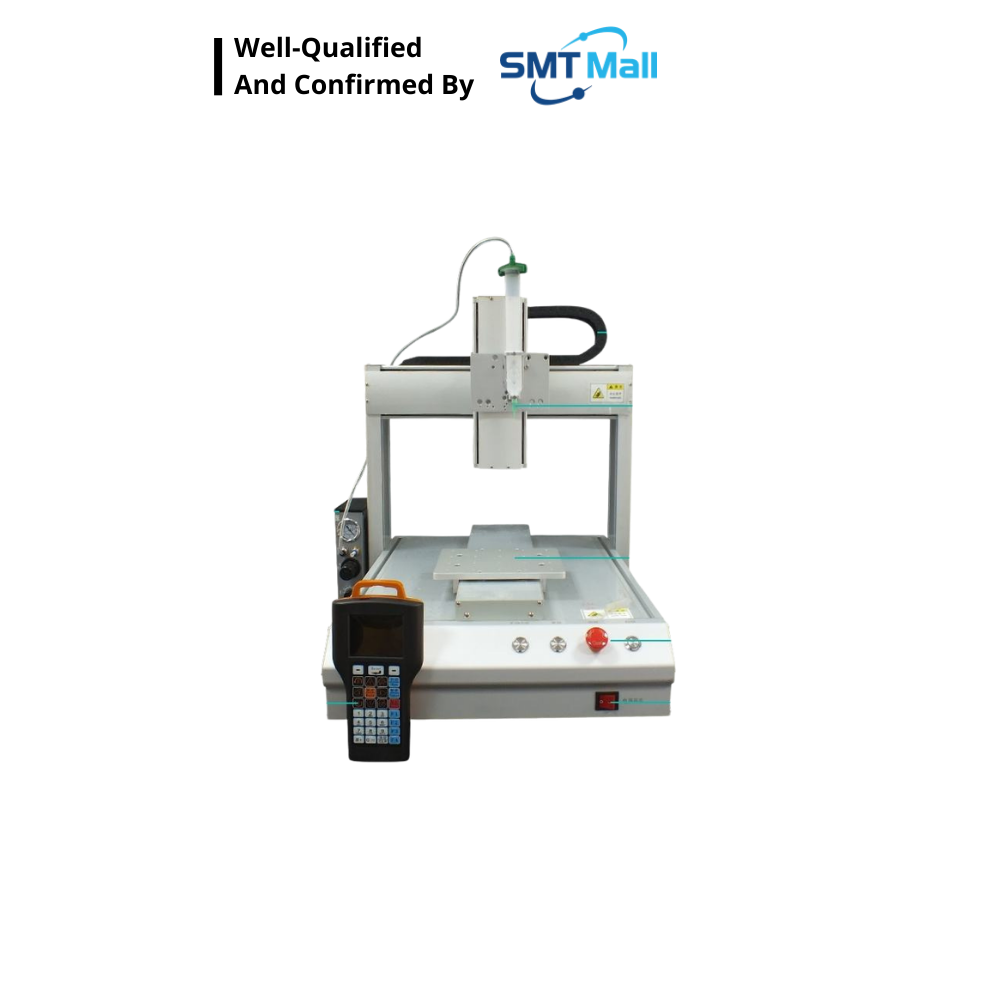
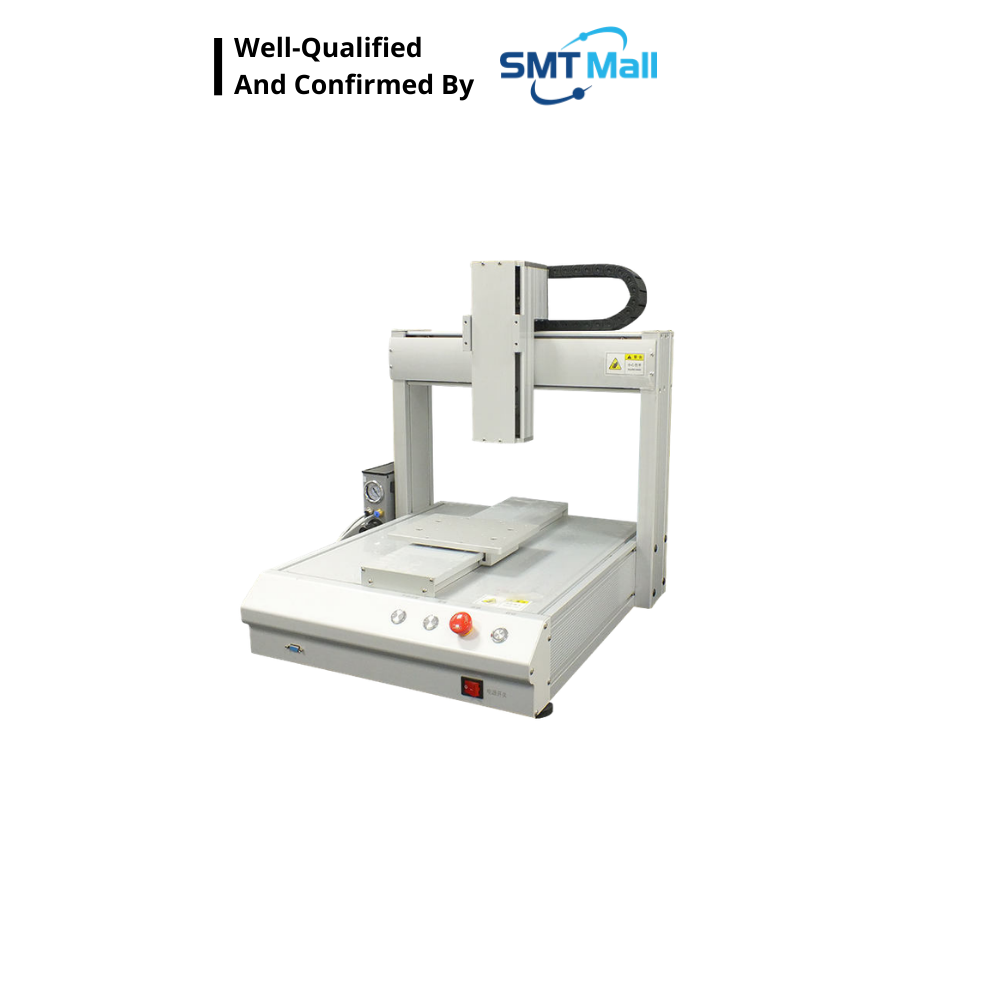
Dispensing solutions
$ 2,600.00
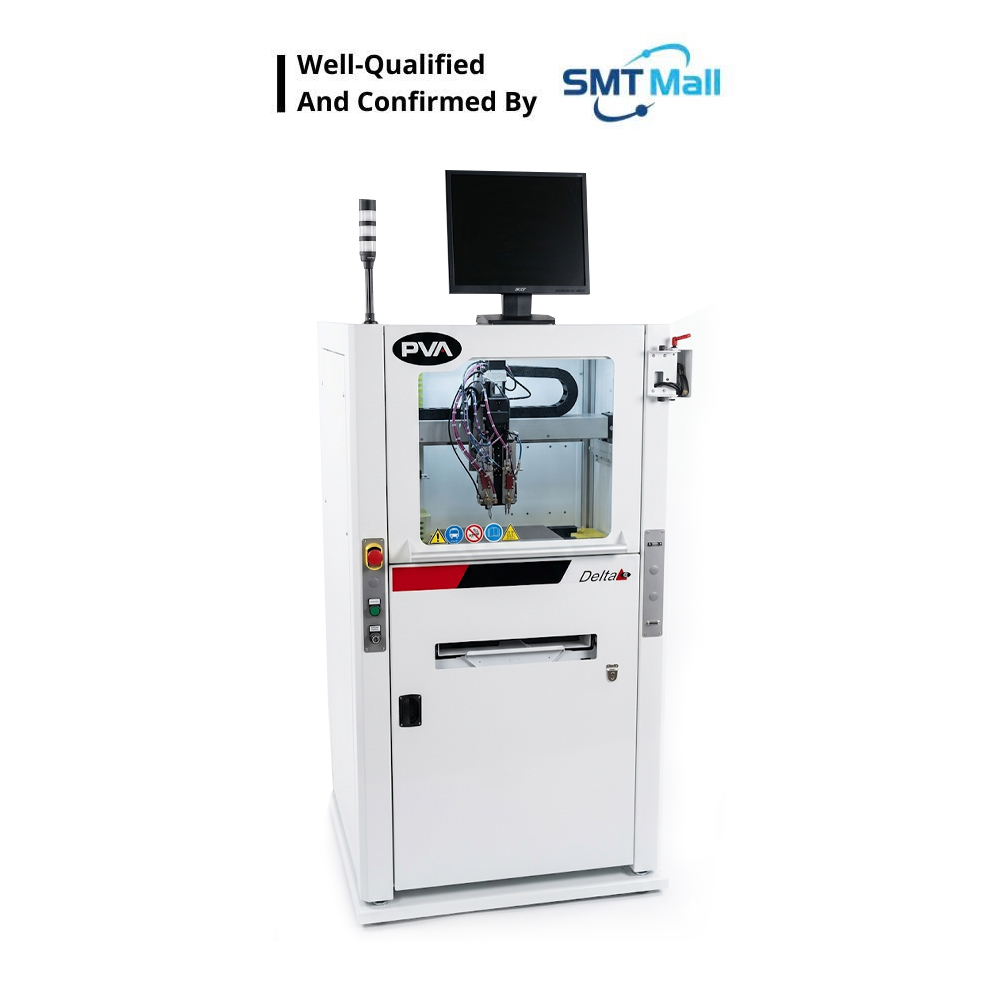
Dispensing solutions
$ 140,000.00
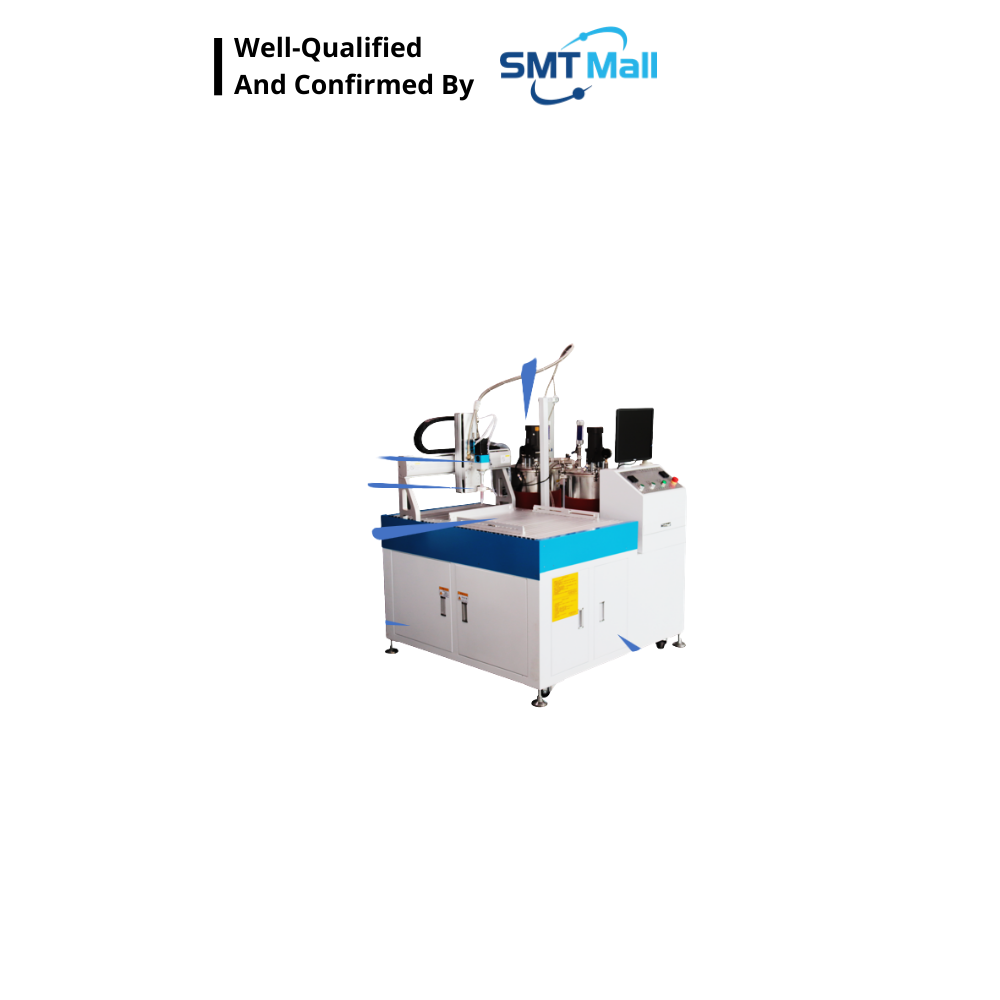
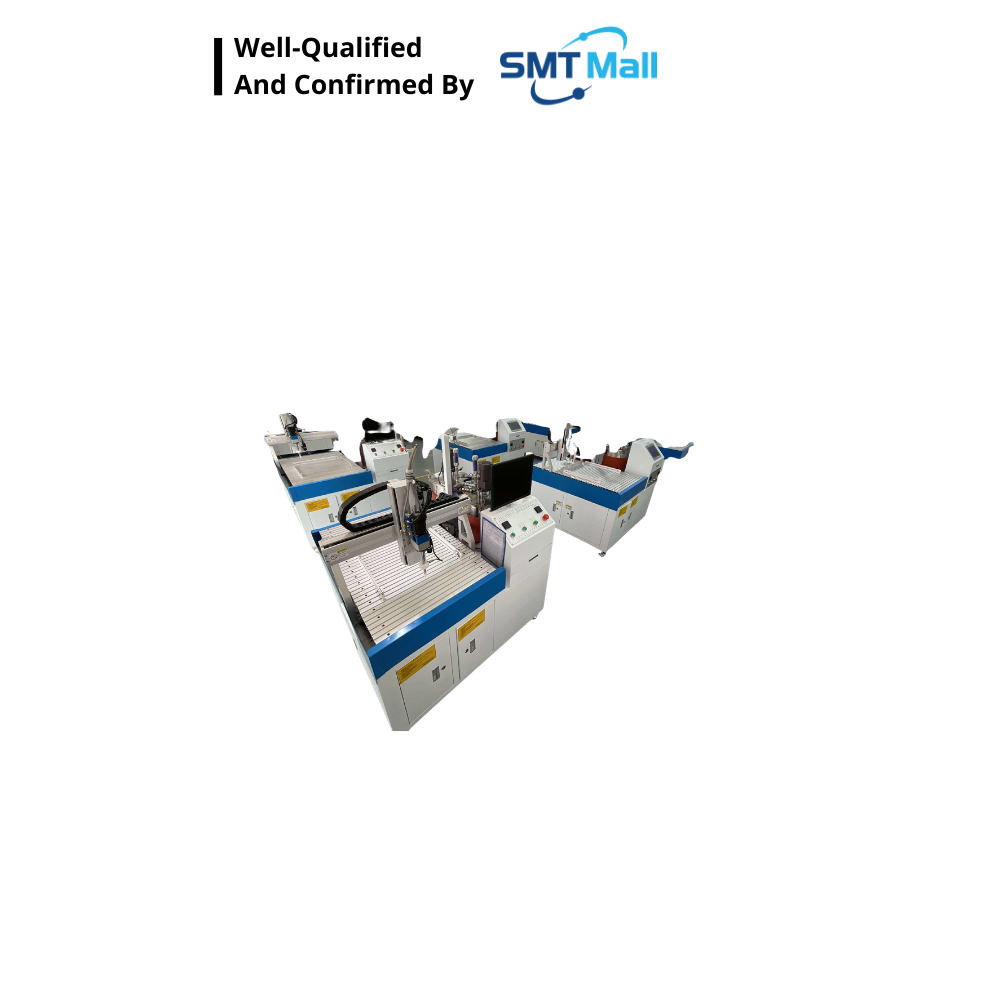
Dispensing solutions
$ 42,000.00
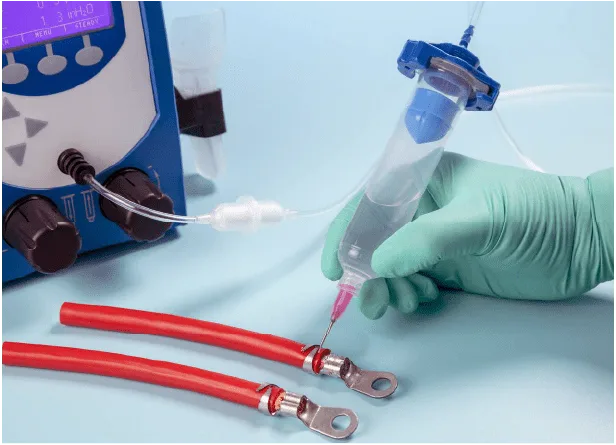
Comparison of 4 Popular Dispensing Technologies: Potting – Coating – Jet – Desktop
Different manufacturing applications require different dispensing technologies to achieve optimal precision, reliability, and cost efficiency. […]
04
Nov
Nov
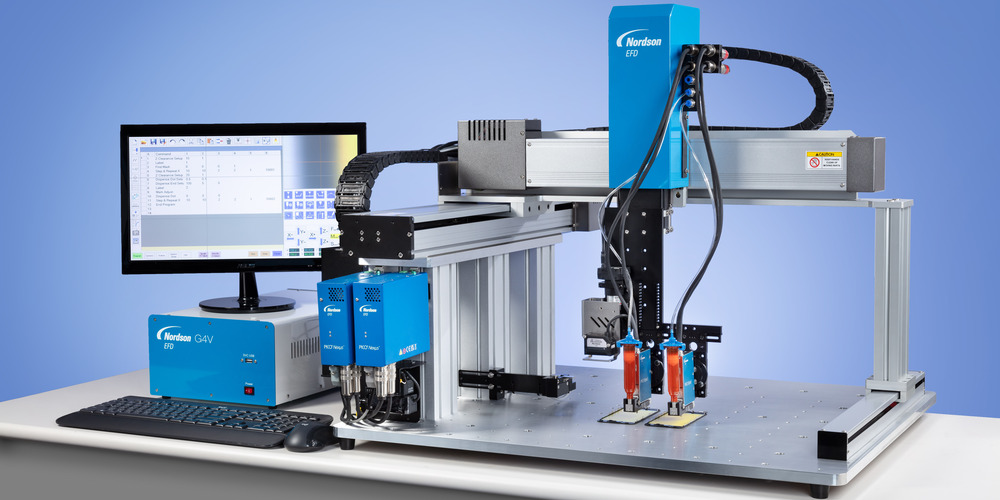
How to Choose the Right Dispensing System for Your Production Line
Selecting the right dispensing system is essential for optimizing production efficiency and ensuring long-term product […]
04
Nov
Nov
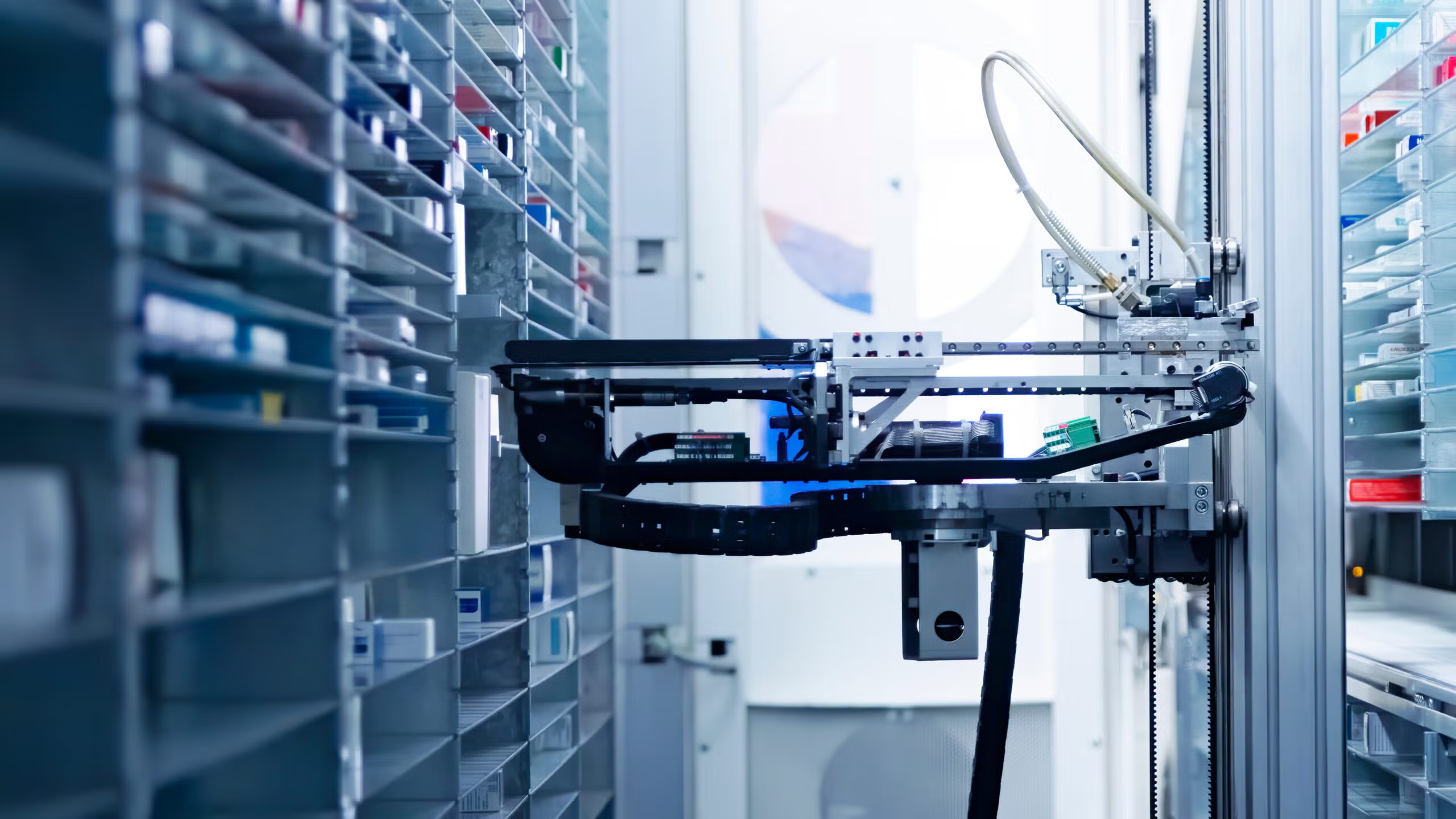
Optimize Your Production Process with Automated Dispensing Solutions
In modern manufacturing industries such as electronics, automotive, medical devices, and LED lighting, precise material […]
04
Nov
Nov