
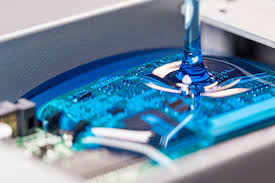

Chemicals
What Are Electronics Manufacturing Chemicals?
Common Categories of Electronics Chemicals
a. Cleaning Chemicals
Used to remove flux residues, oils, and contaminants after soldering or assembly. Common examples include isopropyl alcohol (IPA), defluxers, and precision cleaning solvents.
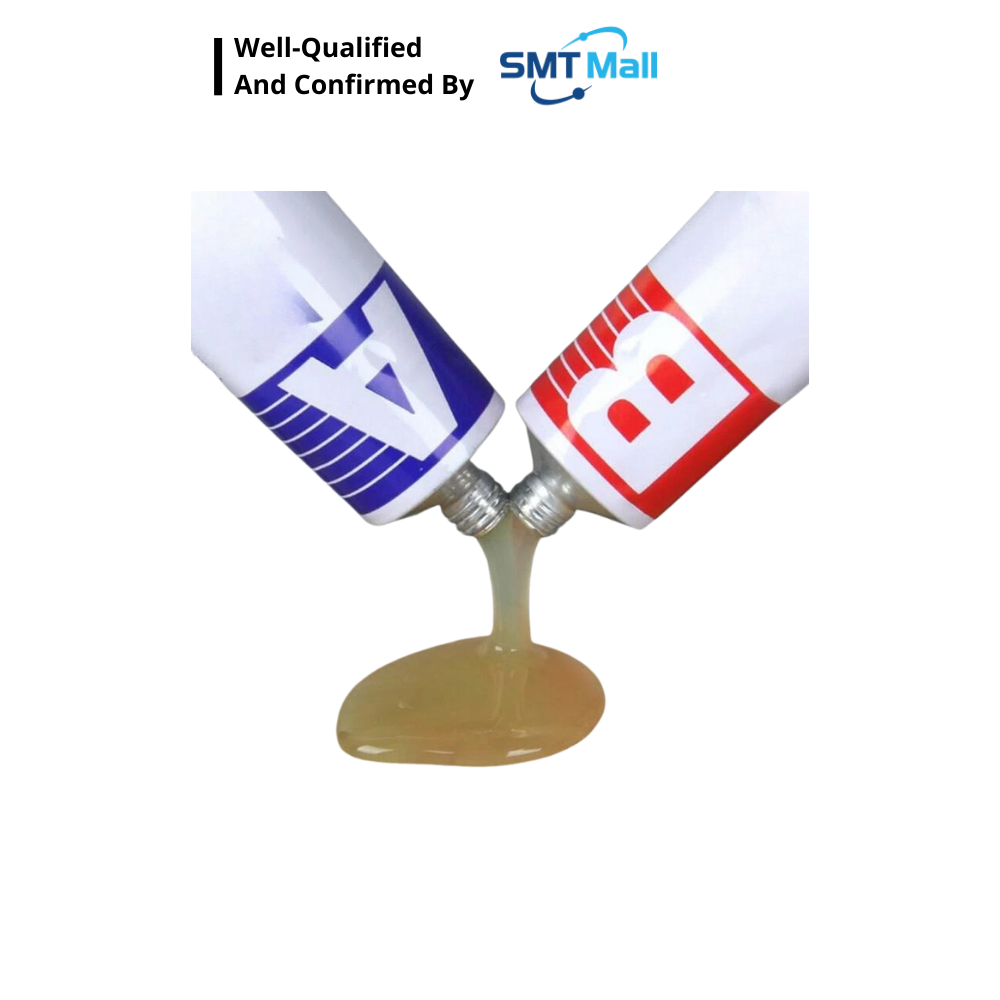
b. Adhesives & Potting Compounds
Provide mechanical strength, insulation, and protection from vibration and moisture. Typically based on epoxy, silicone, or polyurethane systems.
c. Conformal Coatings
Thin protective layers applied to PCBs to prevent damage from humidity, dust, and corrosion. Available in acrylic, silicone, and UV-curable formulations.
d. Thermal Interface Materials (TIMs)
Improve heat transfer between semiconductor chips and heat sinks, ensuring stable performance in power electronics and LED assemblies.
e. Etchants & Surface Treatment Solutions
Used in PCB fabrication and metal preparation processes to ensure clean bonding surfaces and uniform coating adhesion.
Each category is engineered to meet strict precision, reliability, and durability requirements in high-performance electronics manufacturing environments.

Factors When Selecting Chemical Products
- Material Compatibility: Ensure safe interaction with metals, plastics, ceramics, and coatings.
- Application Purpose: Cleaning, bonding, coating, or protection functions must align with process goals.
- Process Conditions: Consider curing time, temperature range, and equipment compatibility.
- Environmental Compliance: Confirm RoHS, REACH, and VOC regulations.
- Cost & Supply Stability: Balance long-term availability with technical support and consistency.
Best Practices for Handling & Storage 🧯
- Store in temperature-controlled (5–25°C), dry environments.
- Follow MSDS instructions for safe handling and emergency response.
- Use proper PPE such as gloves, goggles, and ventilation systems.
- Avoid mixing chemicals from different suppliers without compatibility testing.
- Apply FIFO (First In, First Out) inventory management to track shelf life.
Proper storage and handling preserve chemical stability, extend shelf life, and reduce risks of performance failure in critical production processes.
High-performance chemical materials directly impact bonding strength, cleanliness, insulation performance, and long-term reliability in electronics production. Choosing the right formulations and following best handling practices ensures stable quality and safer operations across your manufacturing lines.
Explore Electronics Chemical Solutions →Recommended Adhesives & Chemicals
We offer a variety of adhesives & chemicals ideal for your production line.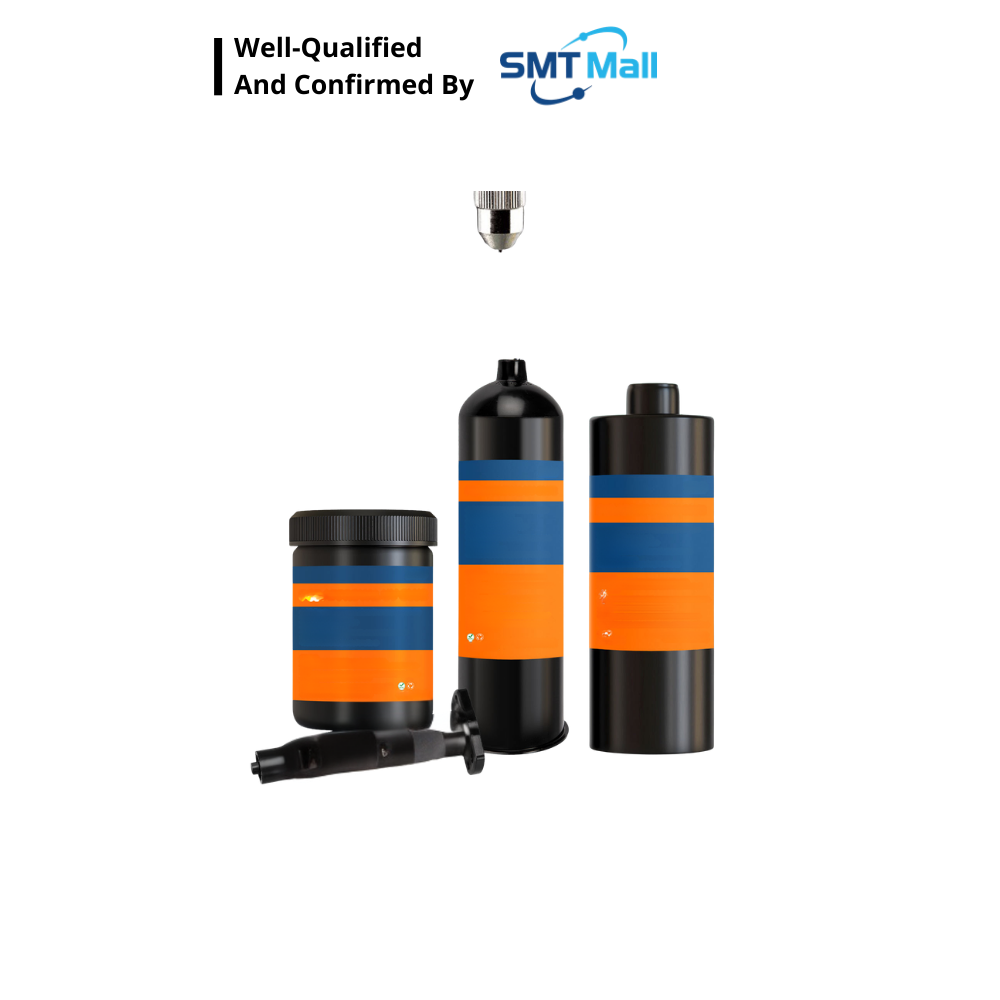
Chemicals
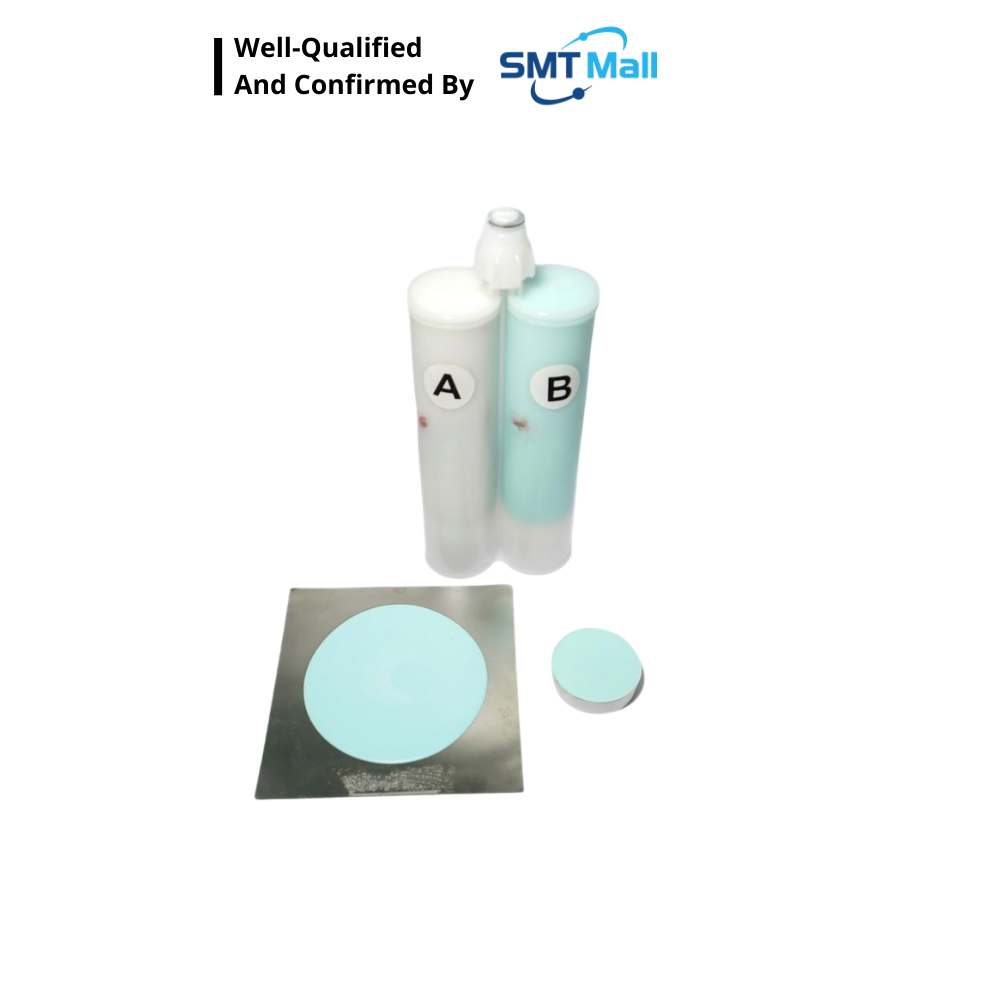
Chemicals
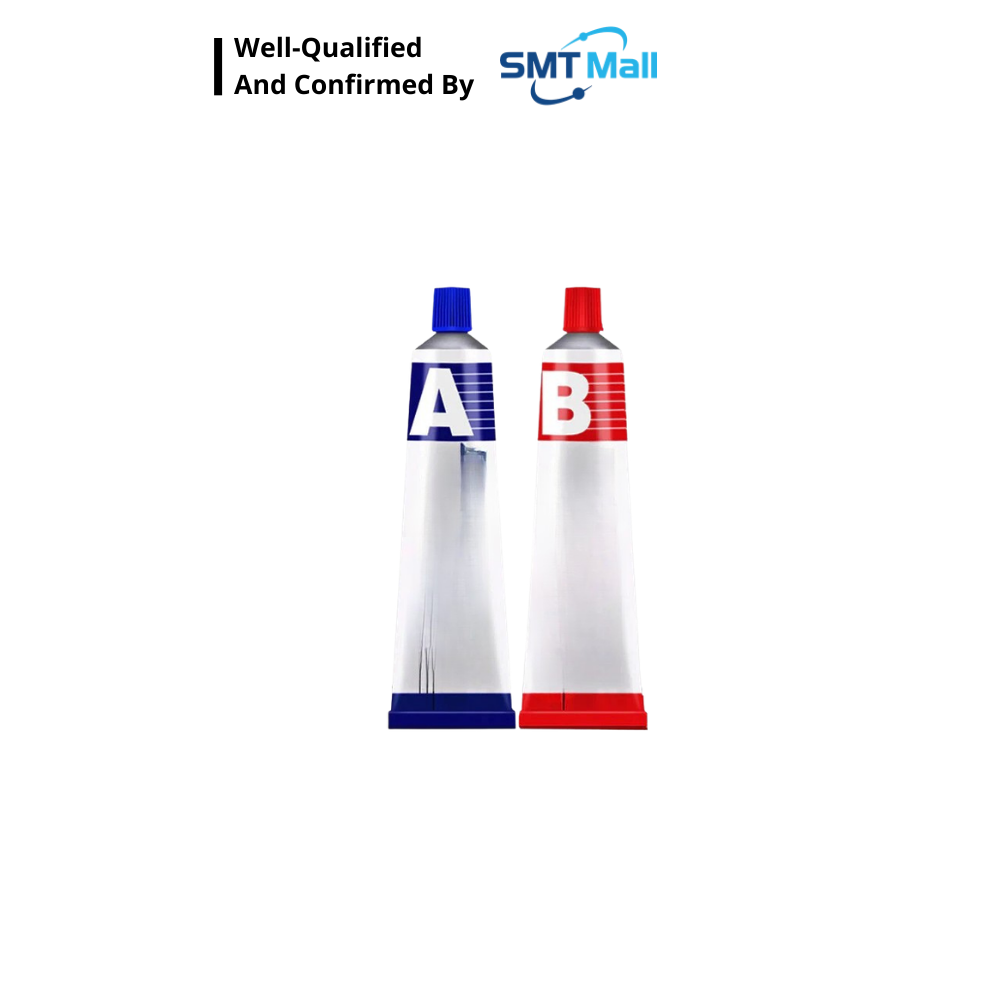
Chemicals